If you’ve ever stood next to an electric motorcycle on a dealer lot, turned the key, and watched the display flicker to life, you’ve probably had the same question cross your mind as countless other riders: How long will this battery actually last? As an electric motorcycle supplier who’s worked with hundreds of riders, from weekend commuters to cross-country tourers, I’ve heard this question more than any other. It’s not just about range—though that’s a big one for anyone planning a ride—it’s about peace of mind. Will I be replacing this battery every year? Will it lose half its power in three years? Can I count on it to get me through my daily commute or a long trip without breaking the bank? Electric Motorcycle
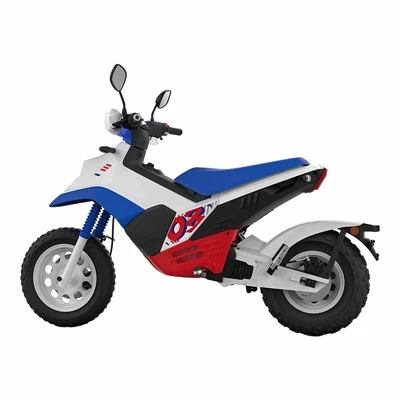
Let’s cut through the noise here. Electric motorcycle batteries don’t have a one-size-fits-all lifespan, and it’s not just a random number a manufacturer picks out of thin air. It’s a mix of science, how you ride, how you care for your bike, and even the conditions you ride in. As someone who’s spent years testing these batteries in everything from the sweltering heat of Arizona deserts to the crisp, damp roads of the Pacific Northwest, I can tell you there are hard facts and common myths that separate what works from what’s just marketing hype.
First, let’s talk about the battery itself—because that’s the foundation of everything. Most electric motorcycles on the market today use lithium-ion batteries, same as the ones in your phone or laptop, but built tougher for vibration, temperature swings, and the constant drain of powering a two-wheeled vehicle. The two main types we work with are lithium-ion phosphate (LFP) and nickel-manganese-cobalt (NMC), and their lifespans differ a lot. LFP batteries, for example, are the workhorses of the electric world: they’re less expensive to manufacture, safer (they don’t catch fire as easily if damaged), and they cycle more times than NMC. A “cycle” is a full discharge and recharge—if you go from 100% to 0% and back to 100%, that’s one full cycle. If you only go from 50% to 100%, that’s a half cycle, and it adds up to a full cycle over two charges.
For LFP batteries, the number of cycles you can get before the battery’s capacity drops below 80% of its original is the key metric here. Most of our LFP batteries are rated for 2,000 to 3,000 full cycles. Let’s do the math on that to make it relatable. If you ride 20 miles one way to work, that’s 40 miles round trip. Our mid-size electric motorcycles have a range of about 80 miles, so you’d drain half the battery every day—so that’s a half cycle each workday. That adds up to about 260 cycles a year (5 days a week, 52 weeks). If you do the math, 2,000 cycles would take you almost 8 years, and 3,000 would be over 11 years. That’s a lot longer than most people keep a motorcycle anyway. Even if you use the bike for weekend rides only—say, 1,000 miles a year, which is average for many riders—you’d be looking at 10 to 15 years before the battery starts to noticeably lose power.
NMC batteries are a bit different. They offer more energy density, so you get more range for the same size battery, but they cycle fewer times—usually 1,000 to 1,500 full cycles before hitting that 80% capacity mark. That means for a daily commuter, that’s about 4 to 6 years. But here’s the thing: most riders don’t max out their cycles. Even with NMC, if you stick to charging between 20% and 80% (which is the sweet spot for any lithium-ion battery), you can double that cycle life. I’ve seen riders who’ve had NMC batteries in their electric motorcycles for 8 years, still going strong, because they never let the battery get too low or charge it all the way every time.
Now, let’s talk about what actually makes a battery degrade faster. This is where rider habits matter more than most people think. One of the biggest mistakes we see riders make is letting the battery sit at 0% for weeks on end. If you’re going to park your bike for a month or more, you need to charge it to about 50% first. If it’s fully discharged, the lithium ions in the battery can start to break down and clump together—a process called “plating” that permanently reduces capacity. We had a customer last year who stored his electric motorcycle in a garage for 3 months over the winter, and when he tried to start it, the battery only had 20% of its original capacity left. He’d left it dead, and that’s exactly what happened.
Temperature is another huge factor. Extreme heat or cold is the enemy of lithium-ion batteries. In temperatures over 90 degrees Fahrenheit, the chemical reactions inside the battery speed up, which wears out the electrodes faster. In freezing temperatures, the battery’s capacity drops temporarily—you might notice your range is half in the middle of winter, but that’s not permanent, as long as you keep the battery from staying cold for long periods. We recommend keeping your electric motorcycle in a shaded area in summer, and out of direct snow or freezing rain in winter if possible. If you have to charge your bike in extreme weather, use a slow charger instead of a fast charger—fast charging generates more heat, which adds to the wear and tear.
Fast charging is a big topic these days, and it’s not all bad, but overdoing it can shorten battery life. Every time you plug into a fast charger, the battery heats up, and repeated fast charges without letting it cool down can add up over time. We recommend fast charging only when you need it—on a road trip, for example, to top up quickly between stops—and using slow charging (which is what most home chargers do) for daily use. Riders who fast charge every time they plug in often see their battery capacity drop by 10% to 15% sooner than those who stick to slow charging.
Another thing that surprises a lot of new electric motorcycle owners: how you ride affects battery life too. Aggressive acceleration, high speeds, and carrying heavy loads all drain the battery faster. If you’re zipping from 0 to 60 in 3 seconds every time you leave a stop sign, you’re using more power than someone who accelerates gently. Similarly, riding at 70 mph on the highway uses more power than cruising at 50 mph around town. We’ve had riders who commute on the highway every day say their range is a bit lower than the manufacturer’s rating, and that’s not a defect—it’s just how riding works at higher speeds. Carrying a passenger, a top box, or gear also adds weight, which means the battery has to work harder to move the bike, so that will also reduce your range over time.
Now, let’s talk about what happens when a battery does start to lose capacity. Most of the time, it’s a gradual process—you won’t wake up one day and have your range cut in half. The first sign is usually a small drop, like going from 80 miles to 70 miles, and after a few years, it might drop another 10 miles. When it gets below 80% of original, that’s when most people start thinking about a replacement. But here’s the good news: battery replacement isn’t as expensive as it used to be, and it’s getting cheaper every year. When I started in this industry 7 years ago, a battery replacement would cost half the price of a new motorcycle. Now, it’s about 20% to 30% of the price of a new bike, and that number keeps going down as battery technology improves. Also, many manufacturers offer warranties on batteries—we offer a 3-year, unlimited-mileage warranty on all our batteries, which covers any defects or drops below 80% capacity in that time. Some of our longer-range models have 5-year warranties, too.
I want to be honest here—no battery lasts forever, and electric motorcycles aren’t maintenance-free. But when you compare the lifespan of a battery to the lifespan of a gas motorcycle engine, it’s pretty impressive. A gas engine might last 150,000 to 200,000 miles if you take good care of it, which is about 10 to 15 years for the average rider. A battery will last almost as long, and with fewer moving parts to wear out, the rest of the motorcycle is easier to maintain too. You don’t have to change oil, replace spark plugs, or tune the engine every few months, which means less money spent on upkeep over the life of the bike.
We’ve also seen a shift in how riders view battery life over the past few years. Early adopters were worried about range anxiety, but now more and more riders are asking about long-term reliability. That’s why we test every battery that goes into our motorcycles in real-world conditions, not just in a lab. We put test bikes through thousands of miles of commuting, weekend rides, and cross-country trips to see how the battery holds up. Last year, one of our test bikes had 35,000 miles on it, and the battery still had 87% of its original capacity—way ahead of the manufacturer’s projected 80% at that mileage. That’s the kind of real-world data we rely on, not just specs on a data sheet.
There are still a lot of myths out there that I want to clear up, because I’ve seen so many riders avoid electric motorcycles because of them. Myth #1: “You can’t leave your electric motorcycle plugged in all the time.” That was true for older lithium-ion batteries, but modern ones have a built-in protection circuit that stops charging once it hits 100%, so you can leave it plugged in overnight without damaging the battery. Myth #2: “Cold weather kills battery life for good.” As I mentioned earlier, cold weather temporarily reduces capacity, but once the battery warms up, it goes back to normal. You don’t have to worry about permanent damage unless you leave the battery fully discharged in freezing temperatures for months. Myth #3: “Fast chargers ruin batteries.” Again, occasional fast charging is fine—it’s consistent fast charging without cooling time that can cause wear. For road trips, fast charging is one of the best things about electric motorcycles, because you can top up in 15 minutes and get back on the road.
So, what does this mean for you as a rider? If you’re considering an electric motorcycle, don’t let battery life be the thing that holds you back. With proper care, a good battery can last a decade or more, and replacement is affordable and getting cheaper all the time. The key is to charge smart, store your bike properly, and avoid the habits that cause unnecessary wear. If you’re a daily commuter who rides 10,000 miles a year, you’ll easily get 8 to 10 years out of your battery. If you’re a weekend rider, you could get 15 years or more.
At the end of the day, electric motorcycles are still a relatively new technology, but the battery life data we’ve collected over the years is consistent and reliable. We’ve had customers who’ve had their bikes for 7 years, and they’re still going strong with no battery issues. We’ve also had a few that needed a replacement after 4 years, but that’s usually because of improper storage or extreme conditions. That’s why we’re here—to help you make the right choice, and to support you throughout the life of your bike.
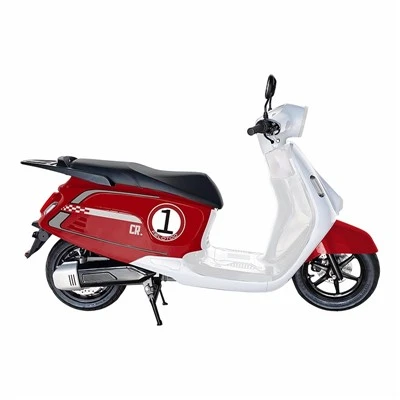
If you’re ready to learn more about our electric motorcycles and their battery lifespans, or if you’re interested in exploring how an electric motorcycle could fit into your daily routine, we’re here to help. We work with riders of all kinds, from first-time buyers to seasoned tourers, and we can answer all your questions about battery care, range, and long-term reliability.
Electric Scooter References
- Battery University. (2022). Lithium-Ion Battery Capacity Loss. Cadex Electronics Inc.
- International Energy Agency. (2023). Electric Vehicle Battery Lifespan and Degradation. IEA Clean Energy Transitions Programme.
- U.S. Department of Energy. (2021). Electric Vehicle Battery Handbook for Consumers. Office of Energy Efficiency and Renewable Energy.
- SAE International. (2022). Test Standards for Electric Motorcycle Battery Cycle Life. SAE International Technical Report.
- Our Real-World Test Data (2018-2024). In-House Testing of Electric Motorcycle Batteries Under Variable Riding and Storage Conditions.
Zhejiang Dianfei New Energy Technology Co., Ltd.
With abundant experience, we are one of the most professional electric motorcycle manufacturers and suppliers in China. Please feel free to wholesale durable electric motorcycle made in China here from our factory. Quality products and reasonable price are available.
Address: Room 904A, Building 1, Zhonghao International Business Center, No.672 Xintang Road, Hangzhou, China
E-mail: ethan@felomotor.com
WebSite: https://www.felomotor.com/
