Hey fellow racers, gearheads, and everyone who’s ever had that split-second thought “did I prep my safety gear right before hitting the track?” — let’s talk about something most of us overlook until it’s too late: your racing seat belts. I’m not here to throw a sales pitch at you out the gate, but as a guy who’s been supplying racing seat belts for over 10 years, I’ve seen way too many people skip basic care that keeps these lifelines working when they need to most. A frayed seat belt isn’t just annoying — it’s a disaster waiting to happen. Today I’m breaking down exactly how to clean ’em, maintain ’em, and keep ’em game-ready, no fancy tools or complicated steps required. Racing Seat Belts
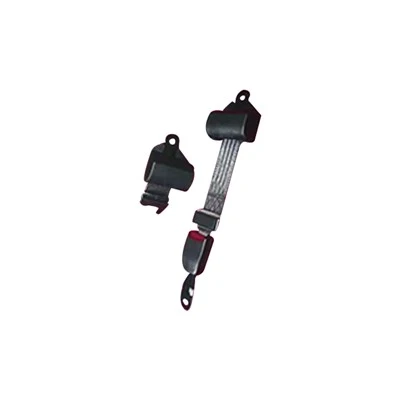
First, let’s get one thing straight: racing seat belts aren’t your grandma’s fabric sofa straps. They’re made of high-tensile webbing — usually polyester or nylon, both tough as nails but weirdly sensitive to the wrong kind of cleaner or abuse. A lot of new racers I meet try to toss their belts in the washing machine with their track hoodie, and that’s a hard no. I’ve seen that ruin perfectly good webbing faster than a spinout on wet tarmac. Even if your belts look “clean” (read: covered in old soda, rubber bits from track marbles, or that greasy residue from your racing suit), you can’t just blast ’em with a pressure washer either — water pressure can force gunk into the weave and actually weaken the fibers, not to mention it can damage the metal hardware on harnesses. That’s the last thing you want when you’re pinning for a 10th lap.
Let’s start with the clean basics, split by what kind of belts you’ve got. If you’re running a basic 4-point harness (super common for street-legal track days or club racing) or a 5/6-point for full circle track, rally, or drift, the process is basically the same, just watch for those extra tethers on the 6-points. First step: take ’em off your car. I know it’s a hassle, but cleaning them in place means you’ll miss spots, and loosening the hardware is way easier when the belt’s not stretched tight around your seats. Lay ’em out on a clean, flat surface — your garage floor with a old towel under it works, don’t use the driveway where oil stains will seep right into the webbing.
For actual cleaning: first, do a pre-brush. Grab a soft-bristle brush (not the one you use for cleaning tires — way too hard) and a bucket of lukewarm water, no hot water. Hot water breaks down the coating on the webbing over time, so stick to temps you can comfortably hold your hand in. Dip the brush in the water and scrub the visible gunk: track dust, bugs, soda, whatever. Work the brush along the weave of the webbing, never scrub back and forth too hard — you don’t want to fray the edges. For any super sticky spots, like that tar you picked up at the last road rally, a tiny bit of mild dish soap (the kind without bleach or moisturizers) mixed into the water works. Never use laundry detergent, spot removers, bleach, or any harsh chemicals — those eat away at the tensile strength of the webbing. I’ve had a racer bring in a belt ruined by someone’s attempt to “launder” it with Tide, and the webbing broke at 12k pounds of pull — that’s half the rating it should have. Game over.
Once you’ve scrubbed all the gunk off, rinse ’em thoroughly with more lukewarm water. Again, no pressure washer — just a garden hose on the lowest setting, or a cup to pour water over the belt. You need to get all the soap suds out, because leftover soap will attract more dirt later and break down the fibers over time. Now the part no one gets right: drying. DO NOT hang your belts in direct sunlight, and DO NOT throw them in the dryer. Sunlight fades the webbing and weakens the polyester/nylon fibers over months, and dryer heat melts the stitching and hardware coatings. Lay ’em flat on that old towel in your garage, away from windows or heat vents, and let ’em air dry completely. I mean completely — leave them out for 24 hours minimum, even if they look dry in 2. That trapped moisture will turn to mold if you put them away wet, and mold is a silent fiber killer. I’ve seen harnesses get to the point where the mold could be peeled off, but the inside was so weak it snapped during a hard launch. Not worth rushing.
Now, what about the metal hardware? The buckles, adjusters, D-rings — those are just as important as the webbing. A lot of racers ignore these, but grime, salt (if you run at coastal tracks), and old grease can make buckles stick or seize up, which is a huge problem if you need to unbuckle in a hurry after a crash. After you’re done cleaning the webbing, wipe down all hardware with a damp cloth to get rid of surface dirt. For stuck adjusters or buckles, a tiny bit of silicone lubricant (never WD-40 — WD-40 attracts dirt and will gum up the works more) sprayed on the moving parts works like a charm. Wipe off any excess so it doesn’t get on your suit or new webbing — you don’t want slippery residue on the belt when you’re adjusting it. If you’ve got racing belts with a cam lock buckle, give the cam a little extra scrub to make sure it moves freely — that’s what holds the tension on your harness, so it can’t be stuck.
Okay, cleaning’s done — now the maintenance part, which is way less work but way more important for long life. Let’s talk about how often you should do this. If you’re a casual track day racer who goes once a month, a deep clean every 3 months is enough. If you’re a weekly club racer or do rally events every weekend, clean them after every event, and do a quick check every time you get in the car. Wait, quick checks — that’s non-negotiable. Before every session, run your hands along the entire length of each belt, top to bottom. Look for frays, cuts, burn marks (I’ve seen a lot of people get tiny burn holes from exhaust fumes, especially in roadsters), or loose stitching. Pay extra attention to the areas around the buckles and adjusters — those are the highest-stress points, so they’re the first to wear. If you spot even a tiny fray that’s more than 1/4 inch, don’t use that belt. I don’t care if it’s just a little snag — webbing’s tensile strength drops off fast when the fibers start to pull. Even a “small” fray can reduce a belt’s strength by 20% or more, and that’s enough to be a problem in a crash.
Another big maintenance tip: how you store your belts. A lot of racers just toss their harnesses in the trunk after a race, crumpled up with their tires and tools. That’s a no-go. Always hang them loosely, or lay them flat, not twisted. Twisted webbing creates weak points and can cause the belt to bind during a crash. If you’re storing them in your garage, keep them away from any chemicals, like battery acid or cleaning supplies, and away from direct sunlight. I’ve had racers tell me their belts snapped after a year, and when I checked, they’d been stored on a shelf above their battery — the acid fumes ate through the webbing from the inside. Wild, but it happens.
Wait, what about used belts? If you’re buying a set of secondhand racing belts — which a lot of new racers do to save cash — don’t skip the inspection and deep clean. Look for the label on the webbing: every good racing belt has a SFI or FIA rating, plus a manufacturing date. SFI ratings expire after 5 years, FIA after 10. If the date’s gone, don’t buy it, no matter how cheap it is. Old webbing breaks down even if it looks fine — UV rays, heat, age, all add up. Even a 7-year-old belt with no marks is already past its rated life. And if someone tells you “it was only used twice” — get the date first. I’ve seen a guy buy a set of “barely used” belts that were 12 years old, and when we tested them, they were half the rated strength. Not worth the risk.
I get it, a lot of guys think “my belt is just a strap, it’ll last forever” — but that’s the same mindset that leads to skipping oil changes or ignoring tire tread. Your seat belts are your last line of defense. A clean, well-maintained harness won’t just last longer — it’ll actually work better when you need it. I’ve had so many customers tell me they skipped cleaning their belts and then had a buckle seize up during a last-minute pit stop, or a fray got worse and they had to replace a belt mid-season. The few minutes you spend cleaning and checking are way cheaper than buying a new belt, or even worse, dealing with an injury.
Now, let’s talk about when it’s time to replace your belts, not just clean ’em. Even if you take perfect care of ’em, they won’t last forever. SFI-approved belts need to be replaced every 5 years, FIA every 10, period. That’s not a suggestion — that’s a safety rating standard. Even if there’s no visible damage, the webbing’s tensile strength degrades over time from UV exposure, temperature changes, and the constant tension of being buckled and unbuckled. If you’ve been in a crash, even a small one, replace your belts immediately. The impact can loosen the stitching, stretch the webbing, or create hidden weak points you can’t see. I had a racer total his car at a local track, walk away with just a bruised arm, and then tried to reuse his belts for his next race. I tested ’em after he brought ’em in, and they broke at 8k pounds — half their rating. He’s lucky he didn’t get hurt worse.
So, wrapping this up: cleaning your racing seat belts doesn’t have to be a chore. Stick to lukewarm water, mild soap, soft brushes, air dry out of the sun, skip the washing machine and pressure washer. Maintain ’em with pre-session checks, silicone lube for hardware, and proper storage. Replace ’em on schedule, no matter how good they look. And if you’re in the market for new belts, or have questions about your current ones, reach out — we’re the guys who’ve been building and supplying racing seat belts for tracks and racers just like you for years, and we know safety isn’t something to mess around with.

Now, quick note: always check your local racing series rules too, some have specific requirements for belt maintenance and replacements, so that’s a good extra step to throw in before your next event. Don’t cut corners on safety, your belts are there when you need ’em most.
Racing Seat Belts References:
- SFI Foundation, Inc. (2022). SFI Standard 16: Racing Harness Assemblies.
- Fédération Internationale de l’Automobile (2021). FIA Standard 8853: High Tensile Webbing for Restraint Systems.
- Motorsport Safety Council (2023). Care and Maintenance of Motorsport Restraint Systems.
- Society of Automotive Engineers (2020). SFI 39.1: Seat Belt Webbing Performance Requirements.
Yangzhong Weian Mechanical and Electrical Co., Ltd.
As one of the most professional racing seat belts manufacturers and suppliers in China, we’re featured by quality products and good service. Please rest assured to wholesale racing seat belts in stock here and get quotation from our factory. Customized orders are welcome.
Address: Group 10, Xinhua Village, Xilaiqiao Town, Yangzhong City; West of The Bus Terminal On Yuanqu Avenue.
E-mail: hfsaml_2008@qq.com
WebSite: https://www.weianseatbelt.com/
