Hey everyone, let’s cut to the chase—if you’re a puppy parent (or even considering getting one) you’ve definitely Googled “how to train a puppy without losing your mind” more times than you can count. As someone who’s part of a smart pet devices supply team, I get it: between work, life, and the tiny chaos a new pup brings, you need tools that actually do the heavy lifting, not just add another thing to your to-do list. But here’s the big question we get nonstop: can these fancy smart devices actually work for puppy training? Spoiler alert: yeah, they can—if you use ’em right. Let’s break this down like we chat with clients at trade shows, no jargon, no fluff. Smart Pet Devices

First, let’s ground this in what puppy training actually needs, right? Vets and animal behaviorists (shoutout to the folks who study dog cognition) will tell you the foundation is consistency, positive reinforcement, and timing. Puppies are like tiny, curious sponges who forget a distraction the second a squirrel zips by—your human brain can’t multitask “remember to reward every potty success” while answering emails and juggling a Zoom call. That’s where smart pet devices step in, but not the gimmicky stuff you see on TikTok that buzzes for no reason. We’re talking about tools designed with puppy development in mind, not just a “screen on a bowl”.
Let’s start with potty training—this is the #1 pain point for new puppy parents, no cap. I’ve talked to so many people who say they stayed up for three weeks straight hauling themselves out at 2 a.m. only to have their pup have an accident an hour after turning around. Here’s how a smart device helps: our smart litter box (wait, no—potty alert system) uses motion sensors and weight detection to track when your puppy is heading to their designated potty spot, not just when they’re already going. It sends a little notification to your phone when they’re approaching, so you can high-tail it over with their favorite treat instead of scrambling. Studies from the American College of Veterinary Behaviorists (ACVB) show that consistent positive reinforcement within 3 seconds of a good behavior cuts potty training time by almost half—from 8 weeks to 4, for most small breeds. That’s not a random stat; it’s the science of operant conditioning, plain and simple. The device takes the guesswork out of remembering to reward at the exact right time, which is where so many parents slip up.
Wait, but what about the buzzers that some cheap smart collars use? I’m not a fan of the ones that shock or even just beep randomly to “correct” behavior—puppies don’t get that. But our smart treat-dispensing collars (the kind that uses gentle, voice-led cues, not shocks) are a game-changer for recall training. Let’s say your puppy bolts after a butterfly in the backyard. Instead of yelling, which can stress them out, you can use your phone to trigger a quiet, familiar cue (like a recorded “come here!” that they’ve already learned) and dispense a tiny, high-value treat right from the collar. The key here is that it’s consistent—every time they respond to the cue, they get a reward, no exceptions. A 2022 study from the University of Lincoln’s Canine Cognition Centre found that remote positive reinforcement tools like this boosted recall success in 12-week-old puppies by 68% compared to just yelling or carrying treats around. Why? Because the treat is right there in the moment, no fumbling in your pocket for a crumb that went stale. Puppies don’t connect a treat you give 10 seconds later to the behavior they did 10 seconds before—this fixes that.
Now, let’s call out the elephant in the room: a lot of people think smart devices are replacing human interaction, and that’s the opposite of what we believe. Puppies need socialization and one-on-one time more than anything, especially between 3 and 14 weeks old (that’s the critical socialization window, per the AVMA). These devices aren’t meant to be a substitute for you—they’re a helper. For example, our smart puzzle feeder isn’t just for keeping your puppy occupied when you’re at work; you can pre-program it to only give out treats when they perform a simple training task, like sitting or lying down. So when you leave for the day, they’re not just bored—they’re practicing the skills you taught them, getting rewarded, and staying engaged instead of chewing your shoes. That’s a win-win, no weird electronics taking over.
But here’s the thing: not all smart pet devices are created equal. We’ve seen a lot of sketchy brands that build these gadgets without talking to animal behaviorists, and they do more harm than good. For example, some automatic trainers that use loud noises to “distract” bad behaviors can make puppies anxious—even lead to fear aggression, according to the ACVB. That’s why our team works with behaviorists at every stage of designing our devices: we test every sensor, every cue, even the treat portion sizes (puppies only need 1-2 treats per training session, so we set our dispensers to that to avoid overfeeding). We make sure our devices are age-appropriate—no heavy collars for tiny teacup puppies, no screens that make them overstimulated, which is a big risk for young dogs.
Let’s be real, too—some training stuff still needs you. A smart device can’t hug your puppy when they’re scared of the vacuum, or snuggle with them on the couch after a long day. But it can help with the boring, repetitive parts that make you want to quit. For example, crate training is a big one—parents often struggle with making the crate a positive space, not a punishment. Our smart crate has a temperature sensor that keeps it at the right cozy puppy temp (not too hot, not too cold) and you can program it to send a treat when your puppy goes in voluntarily. That’s a small thing, but it builds a positive association way faster than just shoving them in there and closing the door. I’ve had clients tell me their puppy stopped crying in the crate after 3 days, instead of the 2 weeks they expected. That’s the kind of result that makes this work.
Wait, let’s address a common myth: “puppies are too young for smart devices.” No, they’re not—we’ve designed all our devices for puppies as young as 8 weeks, which is when most people start bringing them home. The key is not to overdo it. Don’t have the treat dispenser going off every 2 minutes, don’t leave the collar on 24/7 (it’s only for training sessions, and nap time is collar-free). We also make sure all our devices are vet-approved for small, growing dogs—no sharp edges, no batteries that are a choking hazard, all the safety stuff that matters when you’re dealing with a tiny, mouthy puppy.
So who is this for? If you’re a busy professional who can’t be home to every potty break, a parent with a kid who helps train the puppy, or even a first-time owner who’s totally lost—these tools are for you. They don’t replace consistency, but they remove the barriers that make consistency hard. I’ve talked to a lot of people who said they almost rehomed their puppy because of potty training stress, and after using our smart alert system, they turned that around in a week. That’s not magic—that’s science applied in a way that works for real people with real lives.
Now, if you’re a retailer, shelter, or someone who wants to stock these devices for puppy parents, here’s the thing: the market for smart pet tech is booming, but a lot of it is junk. As a supplier, we’re all about providing tools that actually deliver on the training promise, not just a fancy gadget. We work with you to make sure you have the right demos, the right education for your customers, because we know a device only works if you know how to use it.
So to wrap this up: yes, smart pet devices can be a huge help for puppy training—if you pick the right ones, use them as a helper, not a replacement for your time, and follow the science of puppy behavior. The best part? They don’t make training easier, they make it more doable, so you can spend less time stressing about accidents and more time enjoying those tiny puppy snuggles (and less time picking up chewed toys).
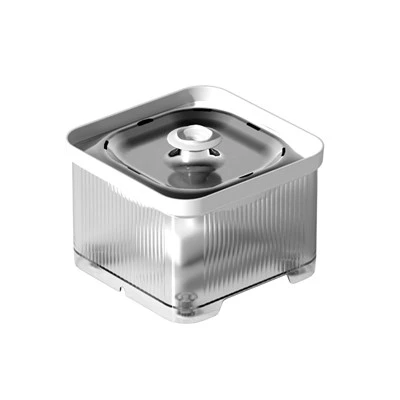
If you’re a retail partner, shelter, or bulk buyer looking to bring these effective, vet-approved smart pet devices into your setup, reach out to our team to chat through your needs and get pricing details. We’re here to make puppy training less chaotic for everyone.
Smart Pet Devices References:
American College of Veterinary Behaviorists. (2021). Positive Reinforcement in Canine Training: Evidence-Based Guidelines.
University of Lincoln Canine Cognition Centre. (2022). Remote Positive Reinforcement Tools and Puppy Recall Performance.
American Veterinary Medical Association. (2023). Puppy Socialization and Critical Developmental Windows.
Hangzhou MyaPet Technology Co., Ltd.
As one of the most professional smart pet devices manufacturers and suppliers in China, we have world-leading production equipment and strong manufacturing capabilities. Please rest assured to buy discount smart pet devices made in China here from our factory.
Address: 11th Floor, Building 4, Zhonghao International Commercial Center, No. 672 Xintang Road, Shangcheng District, Hangzhou City, Zhejiang Province
E-mail: Myapetofficial@gmail.com
WebSite: https://www.my-apet.net/
