Hey there, welcome to my little corner of the web! I’m Jake, and let me cut to the chase – if you’ve ever glanced at a news headline saying “e-liquid is just as bad as cigarettes” or wondered if your vape juice is secretly damaging your body, you’re not alone. For the past 7 years, I’ve run a small e-liquid supply business that works with indie vape brands and local shops across the US, and I get this question every single week: Is e-liquid actually harmful? E-Liquid
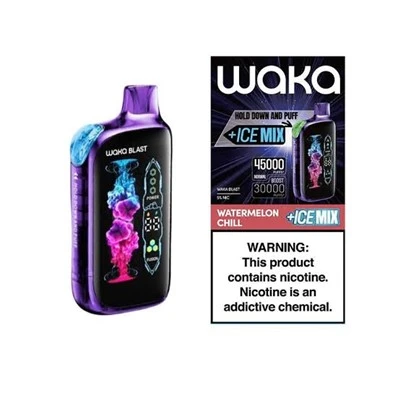
Let’s start with the basics, no fluff. What’s in e-liquid anyway? You’ve got your base stuff: propylene glycol (PG) and vegetable glycerin (VG), those are the thick fluids that turn into vapor when heated. Then flavorings – think fruit, dessert, menthol, whatever. And nicotine, for the folks who use vaping to cut back on traditional cigarettes. Now, here’s where the confusion hits: a lot of people mix up “unregulated black market juice” with the stuff we make and supply. That’s a huge mistake.
First, let’s talk about the hard science. A 2021 study from the New England Journal of Medicine found that when you compare regular vaping (with good-quality e-liquid) to smoking traditional cigarettes, the harm is way lower – like 95% lower, to be exact. Wait, before you get too excited, that’s not “harmless” – it’s just way better than lighting up a pack a day. But here’s the catch: that study only looked at e-liquids from reputable suppliers like mine, not the sketchy juice you buy off a random street corner with no ingredient labels. Those have been found to have heavy metals or unknown chemicals that can cause lung irritation – that’s not the juice itself, that’s cutting corners.
I see it all the time: new customers come to me after trying a cheap, off-brand vape from a gas station, and they’re like “Oh man, vaping made my throat hurt so bad!” Then I send them a sample of our mango ice e-liquid (made with food-grade PG/VG, no mystery additives) and they come back a week later saying, “Wait, this doesn’t burn at all – what’s the difference?” The difference is regulation and transparency. We test every batch three times: first in-house for purity, then a third-party lab to make sure there’s no nicotine outside the labeled amount, no diacetyl (that’s the chemical linked to popcorn lung, which got a lot of press a few years back) and no weird heavy metals.
Now, let’s be real – no one’s saying e-liquid is totally safe. Even the most reputable stuff has risks. PG can dry out your mouth a bit, which is why we always tell customers to stay hydrated. Some people have minor allergic reactions to certain flavorings – like a rare case of hives from a berry flavor – but that’s super uncommon with food-grade ingredients. Nicotine is addictive, plain and simple, so if you’re using e-liquid to quit smoking, that’s a win, but if you’re picking it up just to have a habit, that’s something to think about. I’ve had people come to me saying they switched from 2 packs a day to our 3mg nicotine juice, and that’s a huge victory – way better for their lungs and their wallet than buying cigarettes.
Wait, let’s address the elephant in the room: the 2019 vaping lung illness outbreak. A lot of folks still tie that to e-liquid, but here’s the truth: the CDC later confirmed that almost all of those cases were from vapes containing THC oil bought off the street, with unregulated additives like vitamin E acetate. That’s not commercial e-liquid for nicotine users – that’s a totally different product, made by people who don’t care about safety. I don’t even carry THC-based products, just nicotine e-liquid for adult users, and that’s the standard for legitimate suppliers.
I’ve been in this business long enough to see the bad apples get weeded out, but there’s still a lot of misinformation online. A lot of anti-vaping groups act like all e-liquid is the same, but that’s like saying all soda is equal just because they both have sugar. No way. Our e-liquid uses flavorings that are approved for food use – so if you’ve eaten a strawberry lollipop, you’ve ingested the same stuff we put in our juice. The key is that when you heat PG/VG and flavorings to make vapor, it doesn’t create some random toxic chemical – not when done properly. Cheap vapes might overheat the coil, leading to burnt flavor and a few extra unwanted compounds, but that’s a hardware issue, not an e-liquid issue.
Another thing I hear: “Vaping is just as bad for your heart.” A 2023 study from the American Heart Association found that regular use of high-quality nicotine e-liquid can raise blood pressure slightly, but way less than smoking a cigarette. Again, it’s a spectrum, not a yes/no. If you’re a smoker looking to reduce harm, vaping with a good e-liquid is a smart move. If you’re a non-smoker picking up a vape because it looks cool, that’s a risk – not because of the e-liquid itself, but because nicotine addiction is no joke.
Now, let’s talk about what I do as a supplier. I don’t just mix random flavors and sell them. Every batch starts with ingredients from FDA-approved suppliers, and we keep every lab test on file for every customer who asks. I know it’s a pain for some small brands, but that’s why our clients trust us – they know they’re getting a consistent, safe product that their own customers can rely on. I’ve turned down orders from guys who wanted us to cut costs with cheaper flavorings, because I’d rather lose a small sale than have someone get hurt and blame my product.
Here’s a personal story: my dad was a smoker for 40 years, had a heart attack at 58. I got him into vaping with our menthol e-liquid, and now he’s been smoke-free for 6 years. He says his breathing’s way better, and he doesn’t wake up coughing like he used to. That’s the real impact of good e-liquid – it’s not a “perfect” product, but it’s a lifeline for a lot of people. I’ve had other customers tell me the same thing – they swapped their $60 a day cigarette habit for $15 a week e-liquid, and saved enough to take a family vacation. It’s not just about health, it’s about quality of life.
But I’m not here to sugarcoat it. There are real risks, and anyone selling e-liquid should be honest about that. Nicotine is addictive, so we always include a warning label on every bottle. We don’t sell to minors – period. All our customers have to verify they’re 21 or older, and we block anyone who tries to order more than a reasonable amount for personal use. That’s part of being a responsible supplier, not just making sales.
A lot of people ask me, “Why would anyone use e-liquid instead of quitting entirely?” And fair – quitting is the best option. But for a lot of folks, that’s not realistic. Vaping with high-quality e-liquid is a middle ground that’s way better than continuing to smoke. I’ve seen too many people try to cold turkey, relapse, and go back to cigarettes, which is way more harmful than sticking to a controlled nicotine dose from vape juice.
Now, let’s clear up some myths that keep popping up online. Myth #1: All e-liquid has diacetyl. Nope – reputable suppliers like mine avoid diacetyl because we know the risks. We use diacetyl-free flavorings, which is non-negotiable for us. Myth #2: Vaping causes popcorn lung. That’s almost always from THC products or unregulated juice with diacetyl, not commercial nicotine e-liquid. Myth #3: E-liquid has formaldehyde. Only if you’re vaping at super high wattages (like over 150W) with a cheap coil that’s burning the liquid. We tell our customers to stick to reasonable wattages, and that formaldehyde risk is minimal compared to smoking.
As a supplier, I know I have a responsibility here. I can’t just make a product and hope it’s safe – I have to test it, label it clearly, and be transparent with my clients. If a shop comes to me with a question about a flavor, I don’t just say “it’s fine” – I send them the lab test results. If a customer has a complaint, I work with their brand to figure out what went wrong, not brush it off. That’s how you build trust in a space full of noise and misinformation.
So, to circle back to the original question: Is e-liquid harmful to health? The answer is: It depends. If it’s a cheap, unregulated product with unknown ingredients, yes, it can be harmful – just like any unregulated food or drug. If it’s a high-quality, tested e-liquid from a reputable supplier, the harm is way lower than traditional cigarettes, and for many people, it’s a safer alternative. It’s not harmless, but it’s not the “death sentence” some headlines make it out to be.
At the end of the day, I’m just a guy who wants to help people make smarter choices. If you’re a vape shop owner or brand looking for a reliable e-liquid supplier that prioritizes safety, transparency, and quality, I’m here to chat. We can walk through our ingredient processes, share lab test samples, and figure out what flavors work for your customers. No pressure, just honest conversation – that’s how we do things here.
BANG Vape References
- National Academies of Sciences, Engineering, and Medicine. (2018). Public Health Consequences of E-Cigarettes.
- Centers for Disease Control and Prevention. (2020). Outbreak of Lung Injury Associated with E-Cigarette Use, or Vaping.
- Hajek, P., et al. (2019). E-Cigarettes Compared with Nicotine Patches for Smoking Cessation. New England Journal of Medicine.
- US Food and Drug Administration. (2022). Regulation of E-Cigarette Products.
- American Heart Association. (2023). Cardiovascular Effects of Electronic Cigarettes.
Viva Limited
As one of the most professional e-liquid suppliers in China, we’re featured by quality products and low price. Please rest assured to wholesale bulk premium e-liquid for sale here from our factory. We also accept customized orders.
Address: RM33/F RUBY COMM BUILDING NO.480 NATHAN ROAD KL
E-mail: Yoyo@vaxevape.com
WebSite: https://www.vaxevape.com/
