Hey everyone, let’s cut to the chase: I’m on the front lines of packaging equipment, and these days, every conversation I have with brands, small business owners, even sustainability managers circles back to one thing—can your packaging actually be green, and does your equipment keep up? For too long, people thought sustainable packaging was just swapping plastic for cardboard or compostable films, but here’s the hard truth: none of that matters if your production line can’t actually run those new materials without wasting half of them, or messing up the seal so products spoil and get tossed. That’s where we come in, and why good packaging equipment isn’t just a “tool”—it’s the backbone of hitting real, measurable sustainable packaging goals. Packaging Industry Production Equipment
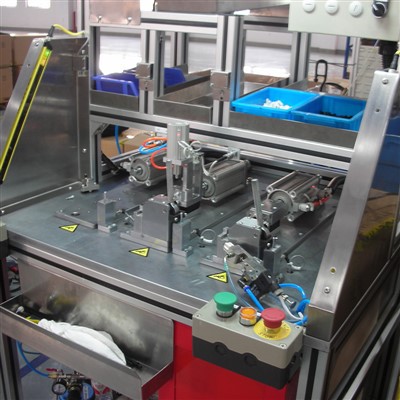
Let’s start with the biggest pain point I hear all the time: material waste. I was on a call last month with a mid-sized snack brand that tried switching to 100% compostable wrap last year. They had a cheap off-the-shelf machine from 10 years ago, and they were wasting 22% of every roll because the old equipment couldn’t adjust for the thinner, more stretchy compostable films. They were spending more on discarded wrap than the wrap itself, which completely killed their margins. Sustainable packaging isn’t just about using “green” materials—it’s about not wasting those materials once you buy them. Modern equipment, like the ones we build, uses precision-fed rollers and real-time sensor tech that matches the pull speed to whatever material you’re running. So whether you’re using post-consumer recycled (PCR) plastic, plant-based films, or even recyclable paperboard, the machine doesn’t stretch it too thin, doesn’t tear it mid-seal, and only cuts exactly what you need. We recently upgraded a craft coffee roaster’s line; they used to waste 18% of their coffee bag material, and now that number’s down to 2%. That’s 16% less material going to landfill every single day, just from better equipment. It’s not magic—it’s engineering that works with sustainable materials, not against them.
Next up: reducing energy use. A lot of brands think sustainability means adding a big solar panel or swapping to LED lights, but their packaging line is drawing 3x more power than it needs. Old machines use constant energy, even when they’re idle, and inefficient heaters that take forever to warm up or use way more than necessary to seal a package. Our latest line of equipment has variable speed drives that only use power when the machine is actually running, and smart seal systems that adjust heat based on the material thickness—so a thin compostable film gets 120 degrees, thick PCR plastic gets 170, not the same all day. We did a test last quarter with a cereal company that switched from their old line to ours; their packaging line energy use dropped 29% in the first month. For a brand that runs 12 hours a day, that’s thousands of kilowatt-hours saved a month, which translates to way lower carbon emissions. Sustainable packaging goals don’t just stop at the package’s material—they’re the whole supply chain, and energy use from production is a huge part of that footprint no one talks about enough.
Another big one: recyclability and compatibility. I can’t tell you how many times I’ve seen a brand make a “recyclable” paper package, but the sealant on it is a special plastic that can’t be separated in recycling facilities. So even though the paper is recyclable, the whole package gets rejected and sent to landfill. That’s called “wishcycling,” and it’s a huge problem. Good packaging equipment solves this by being able to handle mono-materials—the same type of plastic, paper, or film all the way through. Mono-materials are way easier for recycling plants to process, because they don’t have to sort through different layers. Our equipment is built to run mono-materials exclusively, or at least multi-materials that are compatible with existing recycling infrastructure. We worked with a personal care brand that used to use a 3-layer plastic tube that couldn’t be recycled; we helped them switch to a mono-layer HDPE tube, and adjusted their filling and sealing machine to work with that thinner, easier-to-recycle material. Now their tubes actually get recycled, not tossed, which is exactly what their customers want. It’s not enough to say your packaging is recyclable—it has to actually be recyclable, and the equipment has to make that possible.
Wait, let’s also talk about lightweighting. That’s a huge sustainable goal right now: using less material overall to cut down on extraction, transportation, and waste. But lightweight materials are tricky—they’re thinner, more flexible, and hard to run on old machines. If your machine can’t handle a 50-micron compostable film instead of the standard 75-micron plastic, you can’t lightweight your packaging. Our equipment uses advanced tension control that keeps thin, lightweight materials from wrinkling or tearing during production. We had a snack brand that was using 10g of plastic per chip bag; they wanted to go to 7g to cut material use, but their old machine kept tearing the thinner film, so they had to go back. With our new machine, they run the 7g film perfectly, so they’ve cut 3g of plastic per bag, which adds up to 12,000 pounds of plastic saved every year. That’s not just a win for sustainability—it’s a win for their bottom line, because they’re spending less on materials.
I should be real here: it’s not just big brands that benefit. Small businesses, craft brands, even family-owned companies have sustainable goals too, and they can’t afford a $100k machine. That’s why we build equipment that’s scalable. We have smaller, modular lines that work for brands making 10,000 units a month, not 10 million, that still do all the same things—reduce waste, save energy, handle mono-materials. I worked with a small jam maker last year that wanted to switch from glass jars to recyclable plastic tubes because glass was breaking in shipping and wasting product. They tried a cheap tube sealing machine online, and it kept crushing the thin plastic tubes. We hooked them up with a compact machine that’s made for small runs, and now their tubes are perfect, no crushing, no waste, and the packaging is fully recyclable. They hit their sustainability goal, and didn’t have to take out a loan to do it. That’s the stuff that matters—sustainability isn’t just for Fortune 500 companies, it’s for everyone.
Let me also touch on something that’s been top of mind lately: end-of-life accountability. More and more brands are taking on extended producer responsibility (EPR), which means they have to make sure their packaging gets recycled or composted, not thrown away. Good packaging equipment helps you track what you’re producing, and make sure it’s aligned with EPR rules. Our machines have built-in tracking software that logs what materials are being used, how much waste is generated, and even what type of package is coming off the line. That data is exactly what you need to report to regulators, prove you’re hitting your sustainability goals, and adjust if something isn’t working. A lot of brands struggle with EPR because they don’t have accurate data on their packaging production—equipment that tracks that takes the headache out of it.
Now, I know some of you are thinking, “Yeah, but my current line works, why switch?” Let’s be honest: old equipment was built for plastic that’s thick, easy to work with, and cheap. Sustainable materials are different, so your equipment needs to change too. I’ve seen brands waste months trying to make old machines work with compostable or recycled materials, only to end up with higher waste, higher energy use, and packaging that doesn’t actually meet their sustainability goals. It’s not just about buying a new machine—it’s about investing in equipment that grows with your goals. Our machines are upgradable too, so if you decide to switch to a new material down the line, you don’t have to replace the whole line, just add a small part. That makes it way more affordable and future-proof.
At the end of the day, sustainable packaging isn’t a trend—it’s a requirement. Customers care about it, regulators are making rules about it, and it’s just good for the planet. But you can’t hit those goals with outdated equipment. The equipment isn’t just a way to make packaging—it’s the foundation that makes all the other sustainable choices work. If you’re tired of wasting material, dealing with packaging that gets rejected by recycling plants, or paying too much in energy costs, let’s talk. We can walk through your current line, see where the gaps are, and figure out a solution that fits your brand, your budget, and your sustainability goals. Whether you’re a small craft brand just starting out or a big corporation scaling up, we’ve got equipment that works for you.
If you want to dive deeper, just reach out to us. No sales pitches, no jargon, just straight talk about what you need to make your packaging actually sustainable. Let’s make the switch together.
Specialized Equipment References
- Sustainable Packaging Coalition. (2023). The Role of Packaging Equipment in Reducing Supply Chain Waste.
- European Packaging Federation. (2022). Energy Efficiency in Modern Packaging Production Lines.
- Recycling Management Association. (2023). Mono-Material Packaging: Compatibility and Processing Requirements.
- U.S. Environmental Protection Agency. (2022). Extended Producer Responsibility for Packaging: Data and Accountability Tools.
Shanghai Zenyan Automation Engineering Co., Ltd.
As one of the leading packaging industry production equipment manufacturers in China, we warmly welcome you to buy advanced packaging industry production equipment made in China here from our factory. All customized machines are with high quality and low price. Contact us for quotation.
Address: 3rd Floor, Building A, No.5629 Beisong Road, Chedun Town, Songjiang District, Shanghai, China
E-mail: zenyan_sh@163.com
WebSite: https://www.zenyanauto.com/
