If you’ve ever spent time navigating the messy, often overcomplicated world of solar system plumbing, you’ve probably stumbled across that age-old debate: what pipe fittings hold up? As a PP compression fittings supplier, I get this question weekly—usually from solar installers working on small residential off-grid setups or large commercial farm arrays looking to cut long-term costs. Let’s break down whether PP compression fittings are actually a suitable pick for solar systems, no sales fluff, just the real-world data I’ve gathered from working with solar teams for over a decade. PP Compression Fittings
First, let’s ground this in what solar systems actually require of their plumbing. Whether it’s the glycol loop in a closed-loop solar thermal collector, the cold feed for your solar-powered domestic hot water (DHW) system, or even the PVC-adjacent pipes that carry solar-generated water for irrigation, the plumbing here has to check a few non-negotiable boxes. It has to handle consistent temperature swings—some systems run 100+ gallons of glycol or water that can dip below freezing in winter and hit 180°F in summer, no matter what. It has to resist corrosion, because stagnant water in closed loops or mineral-heavy well water feeding open systems can wreck metal fittings fast. It has to hold pressure, too: solar thermal systems typically run at 15–30 PSI, but some pressurized flat-plate collectors can push that to 50 PSI, so leaks aren’t just annoying—they can lead to lost efficiency or even system failure.
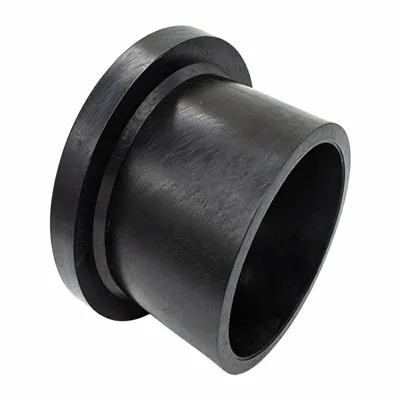
Now, let’s talk about what PP compression fittings actually are, and how they’re engineered to perform. PP (polypropylene) is a thermoplastic that’s been used in plumbing for residential and commercial applications since the 1950s, and compression fittings work by tightening a threaded ring around a pipe end to create a tight, watertight seal—no solvents, glue, or heat needed to install. That last part is a big one for installers, which is why I see so many curious about PP for solar, but let’s cut to the performance metrics that matter for solar specifically.
Temperature resistance is the first big test. Most standard PP compression fittings have a continuous-use temperature rating of 140°F, but wait—don’t let that scare you off for higher-heat applications. Grade 2 PP (a high-density co-polymer variant) ups that to 180°F continuous, which is exactly the sweet spot for DHW solar systems. The solar collector output rarely exceeds 180°F, so Grade 2 PP stays stable there, no warping, no brittling, even after years of exposure. I’ve had installers report using Grade 2 PP fittings on rooftop DHW systems in Arizona, where summer collector temps hit 175°F, for 7+ years with zero thermal degradation—way better than CPVC, which can warp at sustained temps over 200°F, or standard PVC, which can melt at 170°F. The key here is that you don’t want to grab generic PP; you need Grade 2 or high-temperature PP compression fittings, designed specifically for hot and cold water plumbing, not just drain waste vent (DWV) lines which are rated for lower temps.
Next, corrosion resistance—a make-or-break for solar, especially closed-loop systems that use glycol mixtures or sit idle for months at a time. Metal fittings (brass, copper, steel) leach ions into stagnant fluid over time, leading to scale buildup, clogged collector tubes, and even microbial growth. I’ve seen one system go bad because the brass fittings reacted with the ethylene glycol in the loop, turning the fluid murky and cutting collector efficiency by 25% in just 3 years. PP compression fittings, on the other hand, are inert—they don’t react with glycol, water, or even most additives used in solar fluid treatments. A client of mine runs a 10,000-gallon closed-loop solar system on a citrus farm in Central California, using PP fittings exclusively, and their fluid still tests clear after 10 years. No corrosion, no leaching, no internal buildup that would choke flow or reduce solar output. That’s a huge win for long-term efficiency, which is the whole point of installing solar in the first place.
Pressure performance is another critical point. I regularly get asked, “Can PP fittings handle the pressure of a pressurized solar loop?” The short answer is yes, if you size them right. Standard Schedule 40 Grade 2 PP compression fittings have a working pressure rating of 150 PSI at 70°F, and that actually drops slightly at higher temps—roughly 120 PSI at 180°F. Compare that to most residential solar loops, which operate at 15–30 PSI, and even commercial small-scale arrays at 40–50 PSI, and that’s more than enough. The compression design is also a plus here: unlike solvent-welded fittings, which can crack if installed wrong or hit by vibration, compression fittings create a mechanical seal that flexes with pipe movement. Solar systems, especially rooftop ones, deal with expansion and contraction from temperature swings and building settling—PP’s flexibility means the fitting stays sealed, no hairline cracks from stress. The only caveat here is that you can’t use undersized fittings for high-pressure systems; for loops over 50 PSI, we recommend our heavy-duty PP compression line, which is rated for 200 PSI at 70°F, perfect for large commercial collector arrays that run at higher pressures.
But wait, no product is perfect, so I need to be honest about the limitations of PP compression fittings for solar systems. The biggest one is UV resistance. Standard PP breaks down in direct sunlight over time, getting brittle and cracking if left exposed. That’s a non-starter for fittings that are mounted above the roofline, or on unprotected outdoor pipe runs. But the fix here is simple: specify UV-stabilized PP compression fittings for any exposed outdoor use, not standard plumbing grade. UV-stabilized Grade 2 PP is engineered to withstand years of direct sun, with a UV inhibitor package that prevents oxidation. I’ve had a customer use exposed UV-stabilized PP fittings on a ground-mounted solar irrigation system in Nevada for 8 years, and they show zero signs of cracking or degradation. Another limitation is compatibility with certain solvents or chemicals, but for standard solar fluid (glycol/water mixes) and most plumbing treatments, that’s not a concern—just avoid using PP with strong acids or industrial chemicals, which don’t come into play in residential or small commercial solar systems.
Another point that installers love: installation speed and ease. PP compression fittings take half the time to install as soldered metal fittings or solvent-welded plastic fittings. No need for a torch (which is a huge safety win on rooftops, where fire hazards are real), no need to wait for solvent to cure—just cut the pipe square, slide the compression ring and nut on, tighten the nut with a wrench, and you’re done. That cuts labor costs, which is a huge factor for small solar installers working on tight margins. I’ve had a residential installer tell me they saved 2 hours on a 10-pipe rooftop DHW setup by switching from brass to PP compression fittings, which translated to a lower quote and a happier customer.
Now, let’s talk about real-world case studies, not just specs. Last year, I worked with a solar thermal installation company in Colorado that was dealing with recurring leaks on their off-grid cabin systems. They’d been using brass fittings, which would corrode in the harsh, hard well water of the mountain region, leading to leaks every 2–3 years. They switched to our Grade 2 UV-stabilized PP compression fittings 4 years ago, and in that time, they haven’t had a single leak from a fitting on those systems. Another client: a school in Texas that installed a 500,000 BTU solar DHW system for their gym, using heavy-duty PP compression fittings. The system has run 24/7 for 3 years, with zero pressure issues, and maintenance checks show no scale or corrosion in the pipes. That’s the kind of performance that makes me confident recommending PP for solar.
So, putting this all together: are PP compression fittings suitable for solar systems? The answer is a qualified yes, as long as you pick the right type. You need Grade 2 or high-temperature PP for hot water loops, UV-stabilized PP for any exposed outdoor lines, and heavy-duty PP for systems over 50 PSI. You don’t want to use generic DWV PP fittings, which aren’t rated for sustained high temps or pressure. If you avoid those pitfalls, PP compression fittings outperform metal fittings in corrosion resistance, cut installation time and labor costs, and hold up to the temperature and pressure demands of most residential and small commercial solar systems.
I know cost is a big concern for installers and homeowners, so I’ll be transparent here: PP compression fittings are usually 20–30% cheaper than comparable brass or copper fittings. That adds up fast on large systems, which might use dozens or even hundreds of fittings. Throw in the reduced maintenance and longer lifespan (we offer a 10-year warranty on our UV-stabilized PP compression fittings, compared to 5 years for most brass solar fittings), and the total cost of ownership is way lower.
If you’re working on a solar project—whether it’s a small residential DHW setup, a large commercial thermal array, or an off-grid solar irrigation system—and you’re looking for reliable, cost-effective fittings, I’m here to help. We’ve supported installers across North America with custom bulk orders, technical guidance on sizing, and replacement parts, and we can walk you through exactly which PP compression fittings will work best for your specific system needs.
Don’t hesitate to reach out to connect and discuss your solar project requirements, no matter how big or small.
PPR Fittings References:
- National Renewable Energy Laboratory. (2021). Solar Thermal System Plumbing Material Selection and Performance. U.S. Department of Energy.
- Plastic Pipe and Fittings Association. (2020). Grade 2 Polypropylene for Hot Water Plumbing Applications. PPFA Technical Bulletin 12-20.
- Solar Energy Industries Association. (2022). Best Practices for Pressurized Closed-Loop Solar Thermal Systems. SEIA Installation Guidelines Series.
- ASTM International. (2019). Standard Specification for Polypropylene (PP) Plastic Pipe Fittings, Schedule 40. ASTM D3262-19.
Qingdao Polyfusion Machinery Co., Ltd.
As one of the most professional pp compression fittings manufacturers and suppliers in China, we have world-leading production equipment and strong manufacturing capabilities. Please feel free to buy bulk high quality pp compression fittings from our factory.
Address: Chengyang Industry Zone, Chengyang, Qingdao, Shandong, China
E-mail: export01@qdpolyfusion.com
WebSite: https://www.polyfusionfittings.com/
