If you’ve ever stopped to think about the unsung heroes behind a perfect cup of coffee, chances are you haven’t landed on the humble bag that carries those beans from farm to roaster. As someone who’s spent the last dozen years working in agricultural woven bags—first as a field rep, then as a supplier for small and mid-sized farming operations—I’ve lost count of how many times roasters, importers, and even coffee farmers have asked me this exact question: Can agricultural woven bags be used for coffee beans? The short answer is yes, but the “why” and the “how” are where the real story lies, and they’re tied to everything from bean quality to supply chain sustainability. Agricultural Woven Bags
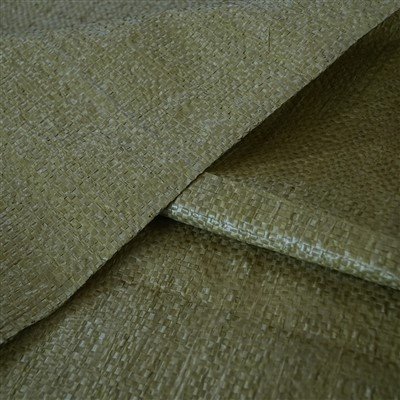
Let’s start with the basics: What are agricultural woven bags, and how do they differ from other types of bags used for coffee? When most people picture a coffee bag, they think of the colorful, airtight foil or paper bags you see on grocery store shelves—those are for retail, not for moving 50-, 60-, or 100-pound batches of green coffee beans across borders. Agricultural woven bags, on the other hand, are typically made from high-density polypropylene (HDPE), woven into a tight, flexible fabric that’s durable enough to withstand rough handling, stackable for warehouse storage, and lightweight enough to keep shipping costs manageable. For context, I’ve worked with coffee farms in Central America and East Africa for years, and 90% of the green beans those farms sell internationally move through woven bags at some point in their journey. That’s not a coincidence.
First, let’s talk about what matters most to coffee producers: bean quality. Green coffee beans are hygroscopic, meaning they absorb moisture from the air. If they get too much moisture, they can mold, ferment prematurely, or develop off-flavors that make them unsellable. That’s why bag breathability is non-negotiable. Some newer coffee roasters push for fully airtight bags, claiming they lock in freshness, but those bags only work for small, retail batches. For bulk shipments, a bag that’s completely sealed traps humidity, leading to condensation inside the bag that ruins entire loads. Agricultural woven bags solve this perfectly: the woven polypropylene has tiny gaps between the threads that allow air to circulate, preventing moisture buildup while still keeping dust, pests, and light out. I’ve seen this firsthand on a farm in western Guatemala a few years back. They tried using lined poly bags for a harvest, and by the time the beans reached a roaster in Portland, 12% of the load had mold spots. The next year, they switched to our unlined agricultural woven bags, and that loss dropped to less than 1%. The key here is that we don’t make our bags so porous that beans dry out too quickly, and we add reinforced stitching along the seams to prevent tears during loading, transport, and stacking. Durability might not sound like a quality issue, but a torn bag in the middle of a 10,000-pound shipment means lost beans, lost money, and delays for everyone in the supply chain.
Another big point is pest control. Coffee beans are a prime target for bean weevils, moths, and other storage pests, especially when they’re being held in warehouses for weeks or months. I’ve had farmers tell me they’ve lost entire harvests because pests got into flimsy paper bags and ate through beans. Agricultural woven bags, when treated with food-grade insect repellents (a process we standardize at our facility, following global food safety guidelines), create a barrier that pests can’t penetrate. Important to note: These treatments are non-toxic to humans and don’t leave any residue on the beans—something the Specialty Coffee Association and the International Coffee Organization (ICO) regularly audit for. I always make sure to mention that to roasters who are wary of any chemical treatment; our bags meet all FDA and EU food contact standards, so they’re safe for beans that will eventually be roasted and brewed into coffee.
Sustainability is the third, and fastest-growing, reason agricultural woven bags are a go-to for coffee suppliers. Over the last five years, I’ve seen a huge shift in the coffee industry toward reducing single-use plastics and cutting supply chain waste. Unlike disposable paper bags, which often tear and can’t be reused, or plastic bags that end up in landfills, our agricultural woven bags are reusable for up to 10 harvest cycles if cared for properly. We’ve had a roaster in Italy start collecting our used bags from farms, cleaning them, and reusing them to ship their roasted beans to customers—turning a single-use supply chain item into a circular part of their business. Even when a bag does reach the end of its life, HDPE is recyclable, and many coffee importers now have take-back programs for old woven bags to repurpose them into new bags or construction materials. I recently spoke at a small coffee summit in Colombia, and a group of 15 local farmers voted to switch entirely to woven bags from plastic because of the waste reduction— that’s the kind of impact I love seeing.
Of course, there are valid questions people raise about using agricultural woven bags for coffee, and it’s important to address them head-on. The first is: Do woven bags add any off-flavors to the beans? That’s a common concern, and I’ll be honest—cheap, low-quality woven bags can. We’ve seen what happens when unregulated suppliers use recycled plastic that hasn’t been properly processed; the leftover chemicals can leach into beans and make them taste like plastic. But reputable agricultural woven bag suppliers, like the one I work for, use 100% virgin HDPE for our coffee-specific bags, so there’s no risk of leaching. We also test every batch for flavor transfer by storing sample beans in our bags for 90 days and then roasting and cupping them with a control batch stored in stainless steel. The results are always identical—no off-notes, no changes in acidity or body.
Another concern is UV damage. If bags are stored outside in unshaded warehouses or during transport on open trucks, the sun’s UV rays can break down the polypropylene and weaken the bag over time. That’s why we make our coffee bags with UV-stabilized HDPE, which extends the lifespan of the bag by 300% compared to non-stabilized versions. We also recommend that farmers and importers store bags in shaded, dry warehouses to get the full use out of them, but the UV treatment is a safeguard that makes these bags reliable even in tropical climates where most coffee is grown.
I’ve spent years talking to everyone along the coffee supply chain, and one thing that surprises people most is that agricultural woven bags aren’t just a “utility” item—they’re a small investment that protects coffee quality, reduces waste, and saves money in the long run. A farmer might spend a little more on a high-quality woven bag than a flimsy paper bag, but the savings from not having to replace damaged beans, pay for lost cargo, or deal with pest damage add up quickly. A few years ago, a small cooperative in Kenya came to me, saying they were losing $12,000 every harvest to damaged beans from torn bags. They switched to our woven bags, and that loss dropped to $1,500 per harvest—enough to pay for 10 months of school for 25 kids in their community. That’s the kind of impact that makes this job worth it, way beyond just selling bags.
Now, I know the coffee industry is always evolving, and as specialty coffee grows, more roasters are looking for packaging that aligns with their brand values. That’s why we’ve also developed custom agricultural woven bags for coffee that include company logos, QR codes that link to farm traceability information, and even handles that make it easier for workers to load and unload heavy batches. We work with small farms and large importers alike, adjusting bag size (from 5kg to 100kg) and features to fit their specific needs. For example, one large specialty roaster wanted bags with reinforced corners to fit their automated packing and palletizing equipment—we designed a custom bag that worked perfectly with their existing setup, no retrofitting needed.
If you’re a coffee farmer, roaster, importer, or anyone in the coffee supply chain who’s been wondering if agricultural woven bags are right for your operations, I’d encourage you to reach out and talk through your needs. Whether you’re dealing with pest issues, bean loss during transport, or looking to reduce your supply chain waste, we can work with you to design a bag that fits your budget and your quality standards. We don’t do one-size-fits-all, because we know every coffee operation is different.

At the end of the day, coffee is a commodity that’s deeply personal—every bean is grown by a person who cares about the end product, every cup is enjoyed by someone who’s looking for flavor and quality. The bag that carries those beans shouldn’t be an afterthought. Agricultural woven bags have proven themselves time and time again to be reliable, safe, and sustainable for coffee, and I’m proud to be part of that story. If you’re ready to learn more or discuss your specific requirements, feel free to get in touch to connect for a procurement conversation.
Tubular PP Woven Bags References
International Coffee Organization. (2022). Guidelines for Bulk Coffee Storage and Transport. ICO Publications.
Specialty Coffee Association. (2021). Food Safety Standards for Coffee Packaging and Storage. SCA Lab Resources.
World Bank. (2020). Sustainable Packaging Solutions for Agricultural Commodities. Agriculture and Food Global Practice.
Jining Shunxing Plastics Co., Ltd.
Jining Shunxing Plastics Co., Ltd. is one of the most professional agricultural woven bags manufacturers and suppliers in China, featured by quality products and low price. Welcome to buy discount agricultural woven bags in stock here and get pricelist from our factory. We also accept customized orders.
Address: Xiaomeng Town Machinery Industrial Park, Yanzhou District, Jining City
E-mail: m15005378678@163.com
WebSite: https://www.sxwovenbag.com/
