Hey there, if you’ve ever worked with construction, plumbing, irrigation, or even DIY home projects, chances are PVC pipes have crossed your radar. As a PVC Pipe & Fittings supplier, I get asked all the time: “Wait, are there actual rules I need to follow when using these? Or can I just cut ‘em and call it a day?” PVC Pipe & Fittings
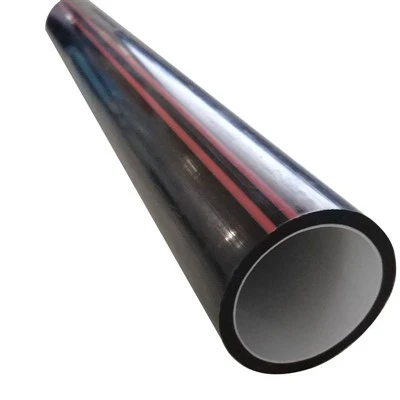
Short answer? Yeah, there are definitely code requirements. But don’t let that stress you out—most of ‘em make total sense, they’re safety-focused, and once you get the hang of the basics, they’re super easy to adhere to. Let me break this down like I would to a plumber coming in for bulk fittings, not some fancy engineering white paper.
First off, let’s talk about who sets these rules. Most places in the U.S. follow the International Plumbing Code (IPC) or the Uniform Plumbing Code (UPC), and a lot of states/cities tweak those to fit local needs. For irrigation or commercial plumbing, there’s also the National Electrical Code (NEC) when you’re running PVC alongside electrical lines (that’s a big one people sleep on). If you’re in Canada, it’s the Canadian Plumbing Code, and over in Europe it’s the EN standards—so always check your local AHJ (Authority Having Jurisdiction, that’s the city inspector, basically) before you start any job. No exceptions here.
Now, the big one: what kind of PVC pipe are you even using? Not all PVC is created equal, and codes get real specific about this. Schedule 40 is the general workhorse—you’ll see it in most residential plumbing, irrigation lines, and even some low-pressure commercial stuff. But Schedule 80? That’s thicker, higher pressure, and codes require it for certain situations: like if you’re running PVC in a place where it might get hit by machinery, or where water pressure’s over 100 psi (most residential is 40-60, but commercial can be way higher). Oh, and there’s CPVC too—wait, that’s a different material, codes separate it entirely from regular PVC because it’s for hot water, not cold. Mixing them up is a no-go per code, so make sure your fittings match the pipe material and schedule.
Pressure ratings are another non-negotiable. Every PVC pipe has a pressure rating, usually labeled right on the side (it’ll say something like “Schedule 40, 160 psi” for cold water). Codes say you can’t use a pipe for a job that’s at or above its max pressure. Like, if you’re doing a sprinkler system in a commercial park, that might be 80 psi, so you need Schedule 40 at minimum—Schedule 20 is way thinner, codes don’t allow it for pressure applications at all, actually. I’ve had customers come in asking for cheap thin PVC for underground lines, and I always have to gently tell ‘em that’s a code violation, no ifs, ands, or buts—inspectors will flag it immediately.
Next up: installation depths and location. If you’re burying PVC pipes underground, codes say you can’t put ‘em too shallow. For residential, usually at least 12 inches deep if they’re under a yard, 18 inches if they’re under a driveway. If you put ‘em above those depths, you have to wrap ‘em in concrete or put a protective cover over ‘em because mowers, shovels, construction equipment—code doesn’t want you risking a break that causes a flood. Also, don’t run PVC too close to other utilities. NEC says at least 12 inches away from electrical lines, some areas require more. And if you’re running it near gas lines? Even more space. That’s not just code—common sense, but code writes it down so you don’t cut corners.
Joint connections are where a lot of people mess up, and inspectors hate that. Code requires that you use the correct primer and cement for PVC, and you have to follow the drying time to a T. You can’t just glue ‘em and turn on the water right away—if the joints aren’t fully cured, they’ll leak, and that’s a code fail. Different cements are for different applications: some are for pressure lines, some for drainage, some for even higher temps. And always make sure you’re priming the inside of the fitting and the outside of the pipe—skipping primer is a huge mistake, codes mark that as an incomplete installation. Oh, and don’t use teflon tape on PVC solvent weld joints—tape only works on threaded metal. That’s another common mix-up, and codes will fail you for it.
What about special cases? Let’s say you’re using PVC for drainage, not pressure. The International Drainage Code (part of IPC) has separate rules for that. For sewer lines, usually Schedule 40 or heavier, and you have to install cleanouts every 50 feet (or at every corner, for smaller lines) so you can snake the drain if it clogs. If you’re doing above-ground PVC for a residential bathroom vent, code requires that it’s properly supported every 6-10 feet, and not routed through air shafts or ductwork—those are fire code rules too, actually, and fire marshals will shut that down.
Another big one: lead levels. Most places have banned lead in plumbing materials, and PVC pipes that are used for drinking water have to be NSF/ANSI 61 certified. That certification means the material won’t leach harmful chemicals into your drinking water. I swear, I’ve seen people try to cut corners with uncertified PVC for home water lines, and that’s not just a code violation—it’s bad for your health. Always ask your supplier for that NSF sticker, and check that it’s printed on the pipe (or on the packaging, if you’re buying bulk).
Wait, what about outdoor use? UV resistance. Regular PVC breaks down in sunlight over time—codes require that if you’re running PVC above ground outside for more than a few months, it’s UV-stabilized PVC. If you use regular PVC and leave it out in the sun, it’ll get brittle, crack, and that’s a safety hazard. I’ve had customers come back to me saying their PVC sprinkler lines cracked after a summer, and when I asked if it was UV-stabilized, they said no—they just bought the cheapest stuff. That’s on them, and that’s a code issue too, because inspectors will see it and make you replace it.
Oh, and repairs! If you’re repairing an existing PVC line, codes say you can’t just patch it with a random piece of PVC pipe and some glue. You have to use the correct fitting for the repair, make sure the joint is properly solvent-welded, and if it’s a water line, you might have to pressure test it to make sure it holds. Some areas even require permits for plumbing repairs over a certain size—like if you’re replacing more than 10 feet of pipe, you need to pull a permit, and the city will send an inspector to check it. Skipping permits is a bad move, even if you’re a DIYer—you might get a fine, and if you sell your house later, the inspector will flag unpermitted work and make you fix it.
Let me be real with you—codes aren’t there to make your life harder. They’re there to prevent leaks, floods, water damage, even fires (like the vent pipe rule I mentioned). I’ve seen first-hand what happens when people ignore PVC code rules: a basement flood that ruins $10k in furniture, a cracked sprinkler line that washes out a whole yard, even lead getting into drinking water because someone used uncertified pipe. So following these rules saves you time, money, and headaches in the long run.
If you’re still confused about what you need for your project, don’t just guess—ask. As a PVC Pipe & Fittings supplier, I don’t just sell you pipe and fittings; I help you make sure you’re getting the right stuff for the code in your area. Whether you’re a homeowner doing a DIY sprinkler system, a small plumbing contractor working on a apartment complex, or a farmer needing bulk PVC for irrigation, I can walk you through what specs you need, what’s code-compliant, and point you to the right products. No jargon, no upsell, just straight answers.
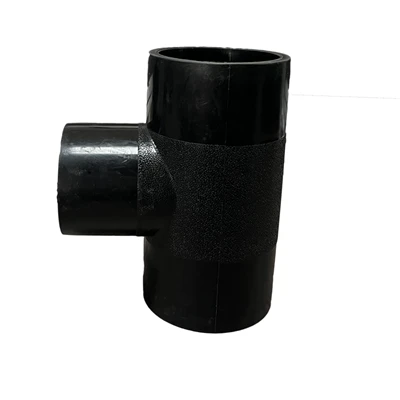
At the end of the day, using PVC pipes is super flexible, affordable, and durable—but only if you follow the code requirements. Don’t cut corners on material specs, installation methods, or permits. If you’re ever unsure about what’s allowed where you’re working, reach out. We’re here to help you get the job done right, on code, and without the extra stress. Hit us up to chat through your project needs and find exactly what you’re looking for.
HDPE Pipes and Fittings References: International Plumbing Code (IPC), Uniform Plumbing Code (UPC), National Electrical Code (NEC), NSF/ANSI Standard 61, Canadian Plumbing Code, EN 1452 (Plastic piping systems for water supply)
Shanxi Kaisheng Plastic Co., Ltd.
Shanxi Kaisheng Plastic Co., Ltd. is one of the most professional PVC pipe & fittings manufacturers and suppliers in China, featured by quality products and good price. Welcome to buy durable PVC pipe & fittings made in China here and get quotation from our factory. We also accept customized orders.
Address: No.72, Area S, Gate 1, Haohai Wumart, Fendong Street, Xiaodian District, Taiyuan City, Shanxi Province
E-mail: sxkssj8@163.com
WebSite: https://www.sxksgys.com/
