Hey there, if you’ve ever stopped to think about how that bottle of sunflower or canola oil you grab from the grocery shelf goes from a rough, seed-pressed cake to the clear, stable stuff you use for stir-fries or baking, you’ve come to the right place. I’m part of an edible oil refining plant that’s been doing this for years, and let me tell you—there’s way more to it than just “crush seeds and filter gunk.” Refining is a series of precise, intentional steps that turn crude oil (the raw, smelly, off-colored stuff straight from pressing) into something safe, consistent, and ready for consumers. I’m gonna break down each step like I’m explaining it to a small business owner who just ordered their first bulk oil shipment—no stuffy jargon, just real talk. Edible Oil Refining Plant
First off, let’s start with the stuff we actually get in our plant: crude oil. This is the direct result of pressing seeds or beans (sunflower, soy, canola, whatever your feedstock is) and then maybe a quick rough filter to remove big particles like seed hulls or leftover plant matter. But crude oil has issues—free fatty acids (FFAs) that make it go rancid fast, pigments that turn it brown instead of pale gold, waxes that cloud it in the fridge, and even traces of pesticides or heavy metals from the farm. Skip these steps, and your oil would taste like grass, smell like wet cardboard, and turn weird after a month. So refining isn’t just “purifying”—it’s fixing those problems one by one.
The first big step after crude oil arrives is degumming. Let’s be real—crude oil has these sticky, gunk-like compounds called phosphatides (you might know them as lecithin, which we actually sell as a side product, fun fact). If we don’t remove these, they’ll mess up every later step, make the oil cloudy, and speed up spoilage. How do we do this? We mix the crude oil with a little bit of warm water (about 80-90°C, so not boiling) and agitate it gently. The phosphatides absorb the water, get heavy, and sink to the bottom like gunk in a coffee pot. We drain that gunk off, and now we have “degummed oil.” Wait, sometimes if there are a lot of FFAs, we use a tiny bit of food-grade acid instead of water—same idea, just pulling out extra sticky stuff. This step is super important for us because it keeps our downstream steps running smoothly, no clogged lines or messed-up filters.
Next up is neutralization, often called “deacidification.” Remember those free fatty acids I mentioned earlier? Those are the main culprits for that off, sour taste in unrefined oil. To get rid of ’em, we add a dilute solution of sodium hydroxide (lye, but don’t worry—we use it at a super controlled ratio so none stays in the final product) to the degummed oil. The lye reacts with the FFAs to form soapstock—another heavy, gunk-like stuff that sinks to the bottom. We separate that soapstock, and now we’ve cut the FFA levels way down. Some smaller plants use physical refining here instead (they blow steam through hot oil to evaporate FFAs), but for our plant, chemical neutralization works better for most feedstocks, especially if the crude has high FFA content. We test every batch to make sure we’re not overdoing the lye—no one wants soap in their cooking oil, y’know?
After neutralization, we move to bleaching. At this point, the oil is still a little yellow or brown, and it has leftover compounds that cause off-flavors and instability. Bleaching is all about getting rid of pigments like chlorophyll (that’s the green stuff) and carotenoids (the orange ones), plus any remaining soapstock or heavy metals. How? We heat the oil to around 100°C, mix in special bleaching clay (or sometimes activated carbon, depending on the oil type), and stir it under a vacuum to keep out moisture. The clay is like a magnet for those unwanted compounds—they stick to it, and then we filter the clay out. The result? A pale, clear oil that’s way closer to what you’d find on a store shelf. One thing I love about this step is that it’s where we can adjust the color slightly—if a customer wants a lighter sunflower oil for salad dressings, we tweak the clay amount a little. It’s all about customization for our clients.
Now, the final big step before packaging is deodorization. This is the one that gets rid of all the residual off-flavors, odors, and any tiny traces of contaminants. The name says it all—we’re basically deodorizing the oil, but we do it in a way that doesn’t ruin the good stuff. We heat the oil up super hot (around 240-260°C, but under a strong vacuum so it doesn’t burn) and blow in clean steam. The steam evaporates all the volatile compounds that cause bad smells or tastes, and those are pulled away with the vacuum. We cool the oil back down fast to lock in its freshness, and boom—we have fully refined, bleached, deodorized (RBD) oil. This step is non-negotiable for us because it’s what makes the oil stable for shelf life. Without deodorization, even the best oil would taste like something you’d use for soap, not cooking.
Wait, let’s not forget a quick optional step if you’re selling oil that needs to stay clear in cold temps—winterization. If you’ve ever put a bottle of canola oil in the fridge and noticed it gets cloudy, that’s because of waxes in the oil. Winterization is a step we do after bleaching (before deodorization for some oils) where we cool the oil slowly over several days, which makes the waxes solidify. Then we filter those solid waxes out, so the oil stays clear even in the fridge. That’s a huge selling point for salad dressings or foodservice clients who store oil in cool kitchens—no one wants a cloudy batch of oil for their deli display.
Now, I should be honest—refining isn’t one-size-fits-all. For example, if we’re handling organic crude oil, we adjust the chemicals we use to only food-grade, non-synthetic materials, no lye that’s not compliant with organic standards. If it’s a specialty oil like grapeseed or rice bran, we tweak the temperatures slightly to preserve the good nutrients while still getting rid of the bad stuff. Every batch is tested in our in-house lab at every step—we check FFA levels, color, odor, clarity, even moisture content—to make sure it meets both our quality standards and what our clients need.
A lot of people ask why we don’t just skip refining and sell crude oil directly. The truth is, crude oil isn’t safe for regular cooking—it has contaminants that can make you sick, and it goes rancid in a matter of weeks. Refining makes the oil safe, consistent, and shelf-stable, which is why every commercial edible oil goes through this process. It’s not just “processing”—it’s a way to turn a raw agricultural product into something reliable for millions of kitchens, from home cooks to big food manufacturers.
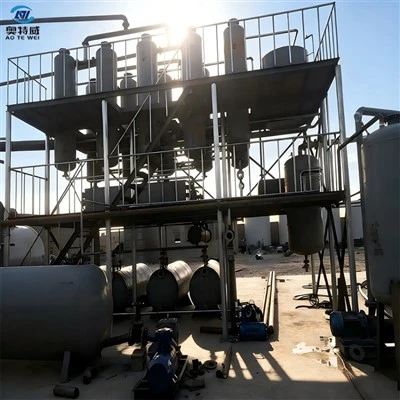
At our refining plant, we take pride in every step. We’re not just a supplier—we’re the team that makes sure your oil is safe, tastes good, and works for whatever you’re making. If you’re a small food brand, a restaurant chain, or a distributor looking for a consistent, high-quality edible oil partner, we’re here to help. We can work with your specific needs, adjust processes for your feedstock, and make sure every batch hits your specs perfectly. Don’t hesitate to reach out to start a conversation about how we can support your oil needs.
Continuous Pyrolysis Plant References
Edible Oil Refining Processes: Degumming, Neutralization, Bleaching, Deodorization. Food and Agriculture Organization of the United Nations.
The Science of Edible Oil Refining. Journal of the American Oil Chemists’ Society.
Winterization of Edible Oils: Principles and Practices. Lipid Technology.
Shangqiu Aotewei Environmental Protection Equipment Co., Ltd.
Address: No.88 Longhai Road, Liangyuan District, Shangqiu City, Henan Province, China
E-mail: colin@henanpower.com.cn
WebSite: https://www.aoteweitech.com/
