If you’re a drone builder, modder, or even a hobbyist who’s spent 10 mins troubleshooting flight times or fpv lag, you know the name of the game is weight. Every gram shaved off adds minutes of battery life, faster reaction times, and a smoother flight. But here’s the catch: when you need conductive components (the stuff that carries power, signals, and data between a drone’s flight controller, motors, cameras, and gimbals), lightweight doesn’t always equal durable, reliable, or even worth the cost. Let’s break down what’s actually out there, and why we’ve spent the last few years refining our line to fit exactly what drone teams need. Conductive Components

First, let’s clear up a common misconception: a “lightweight conductive component” for drones isn’t just a mini version of a standard part. Drones operate in a tiny, high-stakes space—think variable altitudes, sudden G-forces during maneuvers, rain or dust, and signal interference from nearby electronics. A component that sheds 0.5g but fails mid-flight? That’s a disaster, no matter how light it is. So the sweet spot is threefold: low mass, consistent conductivity, and ruggedness that holds up to abuse.
Let’s start with the big-ticket items people already know about: wires and traces. Traditional copper wires have great conductivity, but pure copper is heavy. For years, drone teams turned to silver-plated copper (AgCu) wires—silver boosts conductivity without adding too much weight, right? Wait, sort of. But bulk silver plating can flake off after a few crash landings, leaving copper exposed, which corrodes in humid conditions and kills signal. We worked with a few fpv drone racers last year who were going through a full roll of 22AWG AgCu wires every 3 weeks because of plating wear. So we tweaked our formula: ultra-thin silver nanocoating (not bulk plating) that bonds directly to the copper core, adds 15% less weight than standard AgCu, and holds up to 2x more flex cycles. That’s a game-changer for racers who crash a few times a session, but it’s not the only option for drones that need even lighter parts.
Then there’s flexible printed circuits (FPCBs). These are the flat, thin boards that replace bulky wire harnesses, connecting everything from the flight controller to the camera on a small fpv quad. A standard rigid PCB is heavy, but a polyimide-based FPCB can be as thin as 0.1mm, and if you use copper foil that’s only 12μm thick (instead of the standard 35μm), you cut another 1.2g per 10cm trace. But here’s the problem: low-thickness copper foil is prone to stretching if you bend the FPCB too much, which breaks traces mid-flight. So our team developed a composite copper foil that’s 12μm but reinforced with a tiny layer of carbon fibers—adds barely any weight, but makes the FPCBs 3x more flexible than standard low-thickness FPCBs. We also test every batch on a drone simulator that replicates 100 hours of flight maneuvers, so we know these don’t crack when a quad hits a tree branch.
Wait, what about even smaller components? For sub-250g drones (the ones you can fly without a license in most places), every part has to count. Standard surface-mount capacitors and resistors are fine, but their leads can add unnecessary weight and can break during assembly. So we make solderless conductive pads—tiny, nickel-plated copper pads that you just press onto the pins of SMD components, instead of soldering. No extra leads, no risk of overheating during assembly, and each pad is only 0.2g. A customer recently told us switching from soldered leads to these pads cut their drone’s total weight by 7g, which added 4 minutes of flight time. That’s the difference between a quick park-and-fly and being able to map a whole subdivision without recharging.
Another area people sleep on: battery connections. Drone batteries are one of the heaviest single parts on a small drone, so their connectors matter a lot. Standard XT60 connectors are robust, but they’re bulky and heavy (over 10g per connector). We make a lightweight pogo pin connector set—spring-loaded conductive pins that plug into a custom holder, weigh just 3.5g total, and carry 15A of current, which is enough for most 3S and 4S drone setups. They’re also self-aligning, so you don’t have to worry about plugging in the battery wrong, which saves time during pre-flight checks. We’ve seen these used on both consumer camera drones and small delivery drones, where every gram and every second counts.
Now, let’s talk about what doesn’t work. A lot of “lightweight” components out there use aluminum instead of copper for conductivity—aluminum is lighter, but its conductivity is 60% less than copper, so you end up needing thicker wires or traces to carry the same power, which adds weight back. Plus, aluminum corrodes way faster than copper in moisture, so it’s terrible for drones flown in rain or near saltwater. We tested aluminum wires a while back for a large agricultural drone project, and the corrosion rate was 5x higher than copper—after 2 weeks of field tests, half the connections failed. So we scrapped that line, no exceptions.
Another flop: graphene wires. Graphene is super conductive, super light, right? In theory, yes, but in practice, graphene is expensive, hard to mass-produce consistently, and breaks if you bend it more than a few times. We tried a prototype batch for a fpv racer last year, and he broke 3 wires during a single race. It’s still cool for lab tests, but not yet scalable for consumer or commercial drones that need reliable parts.
So what’s the future here? We’re currently testing a line of conductive elastomers—soft, rubber-like materials that have embedded silver particles. They’re stretchable, super light, and can be used for things like flexible antennas or connectors on foldable drones. Foldable drones are huge right now (you can slip them in a pocket), but their hinges are a pain because they need conductive parts that can bend without breaking. Early tests show these elastomers cut hinge-related weight by 40% and hold up to 10,000 flex cycles, which is way more than any current hinge connector. We’re hoping to launch that line by the end of the year.
Here’s the thing: every drone’s needs are different. A fpv racer cares more about weight and flexibility than long-term durability, while a commercial mapping drone cares about consistent conductivity over 500 flights. That’s why our line isn’t one-size-fits-all—we work with customers to tweak parts: thinner traces for racers, thicker reinforcing layers for commercial drones, custom lengths to eliminate excess wire. Last month, a team making delivery drones contacted us because their existing connectors kept melting under the high current of their 6S setup. We adjusted our pogo pins to carry 20A, and they shaved 2g off their drone’s total weight. That’s the kind of problem-solving we’re into.
If you’re a drone builder, modder, or part of a team working on commercial drones, we’d love to help you figure out the right lightweight conductive components for your project. Whether you’re looking to shave a few grams off a fpv quad, make a foldable drone’s hinges work better, or upgrade connectors for a commercial mapping setup, we have the expertise and products to fit.
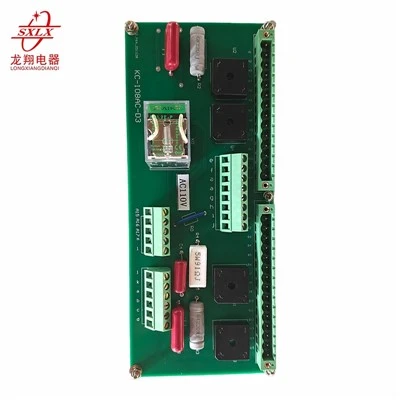
We’ve spent years testing every component in real flight conditions, not just a lab, because we know drone parts need to work when you’re 100 feet up, mid-maneuver, and stressing over flight time. Our team has worked with hobbyists, small businesses, and even university drone projects, so no job is too big or too small.
Switchgear Get in touch if you want to talk through your needs, get a sample, or discuss a custom order. We’re here to make sure your drone is light, reliable, and ready to fly as long as you need it to.
References
- Li, Y. et al. (2021). Lightweight Conductive Materials for Aerospace Applications. Journal of Electronic Materials, Vol. 50, No. 8, pp. 4672-4685.
- FPV Drone Engineering Collective (2023). Component Weight and Flight Time Correlations for Small Unmanned Aerial Systems. Proceedings of the International Drone Conference, pp. 112-118.
- Zhang, L. et al. (2022). Flexible Copper Foil Composites for High-Frequency Signal Transmission. IEEE Transactions on Components, Packaging, and Manufacturing Technology, Vol. 12, No. 5, pp. 789-796.
- Consumer Unmanned Aerial Systems Regulations (2024). FAA Guidelines for Sub-250g Drone Component Limitations. Federal Aviation Administration, U.S. Department of Transportation.
Shaanxi Longxiang Electrical Co., Ltd.
Shaanxi Longxiang Electrical Co., Ltd. is one of the most professional conductive components manufacturers and suppliers in China, also accepts customized orders. We warmly welcome you to buy advanced conductive components made in China here from our factory. Quality products and reasonable price are available.
Address: No. 619, Gaoxin Avenue, Comprehensive Bonded Zone, High-tech Development Zone, Baoji City, Shaanxi Province, China
E-mail: lee@longxiangelectric.com
WebSite: https://www.longxiang-electric.com/
