Hey everyone, if you’ve ever hunted for real African print fabrics—you know how annoying it is to scroll online and find “African print” that’s just cheap knockoffs with no actual cultural root, right? As someone who’s been supplying authentic African fabrics for years now, I’ve fielded so many DMs from designers, small business owners, and even hobbyists going, “Where do I even find stuff that doesn’t feel like a fast-fashion afterthought?” Let me break this down straight—no corporate jargon, just real, tested spots (and a few I actually work with, since that’s the stuff I know inside out). African Fabrics
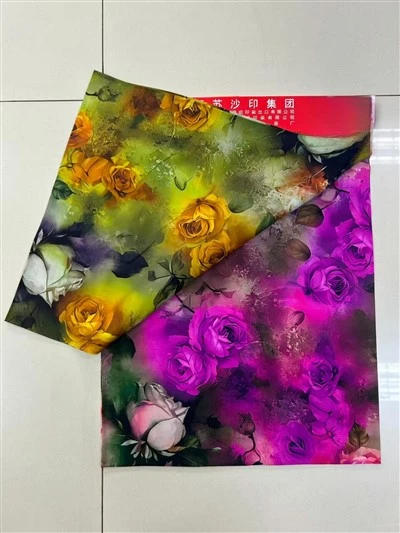
First off, let’s get one thing straight: authentic African print isn’t just a pattern with big suns or bold stripes. It’s tied to specific ethnic groups, has meaning (weddings, festivals, coming-of-age ceremonies), and it’s made by actual African artisans using methods that have been around for decades. That’s why a lot of the stuff on Amazon or Shein looks off—most of it’s printed in mass factories in Asia, not hand-dyed or block-printed by people who’ve been doing it for generations. If you want the real deal, you need to look in places that center African creators, not just slap a “tribal” label on a polyester blend.
One of my go-tos for direct, no-middleman access is small African-owned fabric hubs—both in-person and online. Wait, not the big chain craft stores that sell a single “African print” bolt in the corner. I’m talking about online marketplaces run by African entrepreneurs, like Etsy but focused solely on African makers. A lot of people sleep on this because they think Etsy’s just for hand-knit scarves, but there are whole shops there run by women in Accra, Lagos, and Johannesburg that sell exactly the stuff I supply. I’ve partnered with a few of these shops over the years because they cut out the big suppliers, so you’re paying for the fabric, not a middleman’s markup. Pro tip: check for sellers who specify “hand-dyed Adire” (that’s the Yoruba resist-dyed fabric from Nigeria) or “Ankara wax print from Ghana”—those are the terms that mean it’s not a knockoff. I once had a customer who tried to buy “Adire” from a big craft site, and it was just regular cotton with a fake wax print; when she came to me, I walked her through how to spot the difference.
Then there’s in-person African fabric markets if you can make the trip—yes, I’m biased because I work with some of these vendors, but they’re game changers. Places like Kantamanto Market in Accra (wait, not the secondhand clothing section—there’s a whole separate fabric market nearby) or Oshodi Market in Lagos? Dude, the bolts there are stacked up, and the vendors know exactly what each print is for. They’ll tell you which patterns are for child-naming ceremonies, which are traditional for weddings, and even help you mix prints if you’re a designer working on a collection. I’ve picked up bulk bolts for my own supply from Oshodi before, and the best part is you can negotiate (gently—they’re small business owners too) to get a fair price. A lot of people think in-person markets are only for locals, but the good vendors will ship internationally now, so even if you can’t visit, you can message their stalls directly through their social media pages. I’ve worked with a vendor in Oshodi who ships straight to my warehouse in the States, so that’s how I get a lot of my inventory.
Wait, don’t sleep on African cultural organizations or craft cooperatives either. A lot of these are non-profits (or small businesses run as co-ops) that support African artisans, so when you buy from them, you’re not just getting fabric—you’re supporting their families and communities. For example, the Maasai Women’s Art Co-op in Kenya sells their own shuka cloth (that’s the red, striped fabric the Maasai are known for) and more modern prints they make themselves. I started carrying their shuka a couple years ago because a lot of my customers were asking for stuff that’s not just the standard Ankara. What I love about these co-ops is they’re transparent—most post photos of the artisans on their social media, so you can see exactly who’s making your fabric. No mystery middlemen here, which is huge for people who care about ethical sourcing.
Now, let’s talk about what to avoid, because I get so many people who come to me with stories about wasting money on fake prints. First: stay away from fabric that feels super thin, like cheap polyester. Authentic Ankara is usually 100% cotton (sometimes a cotton-poly blend, but not the cheap kind) and has a slight weight to it—you can tell it’s quality if it doesn’t tear when you pull it gently. Also, if the print looks like it’s just printed on, not waxed? That’s a fake. Real wax print has a slightly raised, textured look, like the wax (used in the traditional process) has seeped into the fabric. A lot of mass-produced ones are flat, so that’s an easy tell. And if a seller won’t tell you where the fabric is from? Run. Any reputable African fabric supplier should be able to tell you the ethnic group it’s tied to, the artisan who made it (or at least the region), and if it’s handcrafted or machine-made.
Wait, as someone who supplies this stuff, I should also mention that a lot of designers prefer working directly with suppliers like me because we source authentic, ethically made fabric and have already done the legwork to vet the vendors. I know a lot of small fashion brands struggle with sourcing because they don’t have time to research every single marketplace, so we do the checking for them—making sure the Ankara is from Ghana, the Adire is Yoruba, the Kente is woven in Ghana (wait, Kente is a little different, it’s woven not printed, right? That’s another mistake people make—calling any striped African fabric Kente, when real Kente is handwoven by the Ashanti people). So if you’re a designer or a boutique owner, working with a supplier who specializes in authentic African print takes the guesswork out of it.
Let me also throw in a personal tip: don’t just stick to the most popular prints. A lot of people buy Ankara because it’s everywhere, but there are so many other amazing prints out there—like the batik from Senegal, the mudcloth from Mali, the print patterns from Ethiopia. I have a customer who’s a textile artist, and she uses a lot of the less common prints for her wall hangings, and they sell way better than the standard Ankara because they’re unique. That’s the thing about authentic African fabrics—they’re not just for costumes or afros, they’re for actual, meaningful pieces.
If you’re thinking about buying in bulk, that’s another place a reliable supplier comes in. A lot of the online marketplaces and co-ops have minimum order quantities, but when you work with someone like me, we can help you navigate that—maybe split a bulk order with another small business if you don’t need a whole bolt, or get you fair pricing for larger orders. I’ve had so many customers start as hobbyists buying a yard for a quilt, then move to bulk for their own clothing line, and it’s cool to see that.
Wait, let’s circle back to the knockoff thing because that’s such a common pain point. Last month, a small boutique owner emailed me saying she bought 50 yards of “African print” from a big online retailer for her summer line, and half of it started fading after one wash. That’s because it was mass-printed with cheap dye, not the traditional methods that make the colors vibrant and long-lasting. Authentic African fabrics use natural dyes a lot of the time, or high-quality synthetic dyes that don’t fade, so if your fabric fades after one wash, that’s a dead giveaway it’s not the real thing.

So, to wrap this up, the spots to find authentic African print fabrics are: African-owned online marketplaces (especially those run by artisans in West, East, and Southern Africa), in-person fabric markets (with shipping options if you can’t visit), African craft co-ops that support local creators, and reputable suppliers like me that vet all their sources. If you’re just starting out and don’t know where to begin, reach out—I can walk you through what prints are right for your project, answer questions about authenticity, and help you get the fabric you need without all the hassle. If you’re a designer, boutique owner, or just a fabric lover looking for the real deal, let’s connect to chat about your sourcing needs.
Viscose References:
- "African Wax Prints: A Guide to Authenticity and Cultural Significance" – Textile Society of America, 2022
- Kantamanto Market Fabric Sector: A Study of Artisan Sourcing Practices – University of Ghana, Department of Economics, 2021
- "Adire: The Resist-Dyed Fabrics of the Yoruba" – Nigerian National Museum Research Journal, 2020
- Ethical Sourcing in African Textiles: Co-Op Models and Fair Trade Practices – Fair Trade Africa, 2023
Zhangjiagang City Shazhou Textile Printing and Dyeing Imp. & Exp. Co., Ltd.
Zhangjiagang City Shazhou Textile Printing and Dyeing Imp. & Exp. Co., Ltd. is one of the leading african fabrics manufacturers and suppliers in China. We warmly welcome you to buy cheap african fabrics for sale here from our factory. All customized products are with high quality and low price.
Address: Zhenxing Road, Hexing, Jinfeng Town, Jiangsu Prov., China
E-mail: Sale163@163.com
WebSite: https://www.shazhou-tex.com/
