If you’re in the market for used textile machinery, chances are you’ve heard a horror story or two about picking up a piece that looked good on the surface—until it arrived and the alignment was so far off it took three extra weeks of downtime to fix. As a used textile machinery supplier of over 15 years, I’ve seen way too many buyers skip this critical step and end up with a bill way bigger than they planned. Let me break down the real alignment requirements you need to pay attention to, no fluff, no fancy jargon. Used Textile Machinery
First, let’s get the basics straight: alignment here isn’t just “does two shafts line up?” Textile machines are all about precision—even a tiny misalignment can throw off your entire production, mess up fabric tension, cause uneven stitching, or even wear out bearings so fast you’ll be replacing them every 6 months instead of 2 years. And when you’re buying used, the previous owner might have cut corners to save cash, so you can’t assume it was aligned correctly just because it was running when they listed it.
Let’s start with the big ones: shaft and pulley alignment. This is the most common misalignment issue, especially on older machines like ring spinners, looms, or winding machines. Most people don’t know there are two types of alignment: angular and parallel. Angular is when the two shafts are tilted at different angles, like two sticks pointing at each other but not flat. Parallel is when they’re tilted the same way but not on the same plane—like two rails that run next to each other but are slightly off height. For most textile machinery, the tolerance here is super tight—usually less than 0.1 degrees of angular misalignment, and less than 0.005 inches of parallel offset. Wait, that’s tiny, right? Yeah, but that’s what’s needed for consistent belt and gear performance. When we inspect a machine for a client, we always use a laser alignment tool for this—not just a straight edge, because a straight edge can miss tiny, dangerous gaps that are hidden in old machine frames.
Next up, machine bed and frame alignment. Textile machines rely on a solid, straight bed to keep all their components in place. For example, on a circular knitting machine, the cylinder and the dial have to be aligned perfectly with the bed—if they’re even 0.003 inches off, you’ll get snags or dropped stitches that ruin 100 yards of fabric in no time. We’ve had clients buy used air-jet looms that looked perfect, but when we checked the bed alignment, it was warped from being stored outside (a common mistake sellers make—storing heavy machinery outdoors without a tarp). The fix? Shimming the bed, and sometimes grinding a small section, which cost them almost $2,000 before they even ran a single roll. For the bed, the standard tolerance is usually a flatness of 0.002 inches per foot. That means if your machine is 10 feet long, the whole bed can only vary 0.02 inches from perfectly flat. It sounds strict, but trust me—skipping this leads to more downtime than any other issue.
Then there’s gear train alignment. Most textile machines use gears to transfer power between different parts—like on a combing machine, where the combs and rollers have to move in sync. Misaligned gears will cause noise, vibration, and uneven speed, which messes up fiber processing. The alignment here is measured in backlash, which is the tiny gap between gear teeth. For new textile machinery, backlash is usually 0.001 to 0.003 inches, and for used machines, it shouldn’t be more than double that—so 0.006 inches max. If the backlash is bigger than that, it means the gears are worn or misaligned, and you’ll have to replace them soon. We always check backlash with a feeler gauge during our pre-delivery inspections; if it’s over that limit, we’ll fix it before the machine leaves our yard, or knock the cost off the price so you can handle it yourself.
Wait, let’s not forget conveyor and feed alignment. For machines that move fabric or fibers—like carding machines or fabric folding machines—the feed system has to line up straight. If the conveyor is off by even 0.01 inches, the fabric will skew, roll unevenly, and you’ll end up with edges that don’t match when you cut it. Some newer textile machines have auto-alignment for feeds, but on used ones, that feature might be broken, so you’ll have to do manual alignment. The tolerance here is a bit looser than shafts, but still—no more than 0.02 inches of side-to-side offset over 5 feet of conveyor. We’ve had a client who bought a used fabric printing machine that had a misaligned feed; they tried to adjust it themselves and ended up with 5,000 yards of misprinted fabric because they didn’t get the alignment right. That’s the kind of mistake we help clients avoid.
Now, here’s a pro tip for buying used: don’t just rely on the seller’s word. Ask for alignment inspection reports from a third party, or if the seller doesn’t have one, get a quote for an inspection before you commit. Some sellers will offer to “pre-align” the machine, but make sure that work is documented—ask for photos of the alignment tools being used, and a measurement sheet. A good supplier will include alignment checks as part of their pre-sale process, but not all do. That’s why we make alignment checks a non-negotiable step for every machine we sell—we don’t want our clients to call us 2 weeks later complaining about downtime.
Also, factor in installation alignment. Alignment isn’t just something you do before the machine runs—you have to check it again when you move it into your factory, because moving it can jostle the frame, bend shafts, or shift the bed. Even if the machine was perfectly aligned when it left our yard, if your installation team sets it up on a wobbly floor, it’ll be off again. We always recommend having your installation team use a laser level for the machine’s feet, too—leveling is part of alignment. If the machine isn’t level, that adds extra stress on the shafts and bearings, leading to earlier wear. Leveling tolerance is usually within 0.005 inches per foot for most textile machines; a simple bubble level won’t cut it here, either—you need a precision laser level.
Let’s talk about common mistakes buyers make. A lot of people look at a used machine and only check if it runs, not if it runs smoothly. We once had a client who bought a used ring spinning machine that turned on, but made a weird grinding noise. The seller said it was “normal for old machines,” but when we checked the shaft alignment, it was off by 0.2 degrees—way over the tolerance. Fixing that alignment cost $1,200, which they didn’t budget for. Another mistake is skipping alignment for smaller components—like the rollers on a winding machine. If those rollers are misaligned, the yarn will break constantly, slowing down your production by 20% or more. Small parts add up fast.
What about if you’re working with a tight budget? Don’t cut corners on alignment. Spending a few hundred dollars on an alignment check now is way better than spending thousands on repairs and lost production later. We’ve had clients who tried to skip that, and ended up losing money on every run because of the misalignment. A $300 alignment check is nothing compared to the cost of downtime—especially in textile, where time is money and orders have tight deadlines.
Oh, and let’s not forget environmental factors. If your factory is on a concrete floor that’s settling, or has heavy machinery nearby that vibrates constantly, you’ll need to recheck alignment every 6 months. Vibration from other machines can shift your used machine’s alignment over time, especially if it’s an older model with a sturdier (but less flexible) frame. That’s a maintenance step that’s easy to forget, but keeps your machine running smoothly.
So, to wrap this up: when you’re shopping for used textile machinery, alignment isn’t a afterthought—it’s the foundation of how well the machine performs. From shaft and pulley alignment to bed flatness, gear backlash, and feed systems, every part has a tight tolerance that can’t be ignored. And don’t trust the seller’s word alone—inspect it yourself, or work with a supplier who does professional alignment checks before delivery.
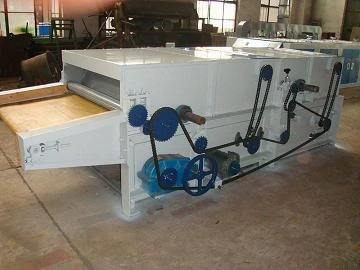
If you’re ready to look for used textile machinery that’s been properly aligned and tested, we’re here to help. We’ve got a wide range of used machines, from looms and spinning equipment to knitting machines, all with full alignment inspections and ready to work in your factory. Don’t waste time on machines that will cause you downtime—reach out to us to talk through your needs, ask questions, and get a machine that fits your budget and production goals.
Textile Machinery References:
- Textile Machinery Alignment Standards, Industrial Maintenance & Process Control Association, 2022
- Used Industrial Equipment Pre-Purchase Inspection Guidelines, Machinery Dealers National Association, 2021
- Precision Alignment for Textile Processing Equipment, Journal of Textile Manufacturing Technology, Vol. 18, No. 3, 2020
- Laser Alignment Best Practices for Heavy Industrial Machinery, International Society of Automation, 2023
- Wear and Tear Patterns in Used Textile Machinery, Textile Industry Maintenance Journal, Vol. 12, No. 4, 2022
Shandong Hongye Machinery Co., Ltd.
Shandong Hongye Machinery Co., Ltd. is one of the most professional used textile machinery manufacturers and suppliers in China, featured by quality products and low price. Please rest assured to buy advanced used textile machinery in stock here and get quotation from our factory. Also, 1 year warranty is available.
Address: Room 1104, Building No. 2, Haier Yunjie, No. 99 Chongqing South Road, Qingdao, China
E-mail: sales@seavincn.com
WebSite: https://www.sdhymachinery.com/
