Hey everyone, let’s talk coffee cups — because if you’re a regular at your local café, grab coffee for the commute, or like to stock up on reusable mugs at home, you’ve definitely noticed the options: paper, plastic, styrofoam, even those fancy plant-based ones. As a coffee cup supplier, I get asked all the time which is “the best” for the planet, and spoiler alert — it’s not a one-size-fits-all answer. I’ve been in this game long enough to know that every material has its pros, cons, and hidden environmental costs, and today I’m breaking it down like we’re grabbing a latte (no stuffy science jargon, promise). Coffee Cup
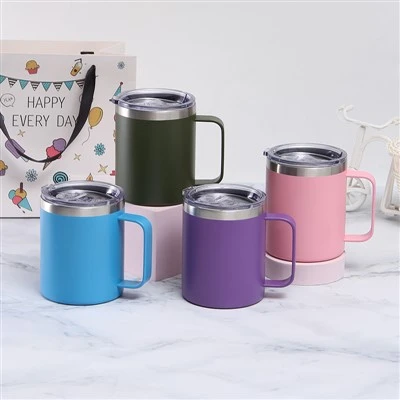
First up, let’s start with the biggest player you see everywhere: single-use paper cups. Wait, I know what you’re thinking — “paper is biodegradable, so it’s way better than plastic,” right? For a long time, that’s what everyone assumed, but there’s a catch here. Most paper cups have that thin plastic lining on the inside to make them leak-proof, right? That lining is usually polyethylene, a type of plastic, which means even if you toss them in a recycling bin, they don’t get recycled easily. Most paper recycling facilities can’t process that plastic lining, so they either go to a landfill or get downcycled into something that’s not even usable again, like tissue paper. Oh, and don’t even get me started on composting — those lined paper cups need industrial composting facilities to break down, and less than 10% of cities have those. If you throw one in your backyard bin, it’ll sit there for years, since the plastic layer doesn’t decompose.
Now, what’s the actual environmental footprint of paper cups? Studies say making one single-use paper cup uses about 10 liters of water, and contributes more to carbon emissions than styrofoam in some cases, because you have to grow the trees, process the pulp, manufacture the plastic lining, and transport it. I see a lot of cafés switch to paper to “go green,” but most don’t realize that without proper recycling or composting infrastructure, it’s almost as bad as plastic. That said, if you do have access to a curbside recycling program that accepts lined paper cups, they’re not the worst option — but only if you use them and recycle them right, not just toss them random.
Next, let’s chat about styrofoam cups. I feel like everyone hates these, and for good reason — they’re made from polystyrene, a type of plastic that’s super lightweight, which sounds good, but it’s almost 100% non-recyclable. Most recycling centers don’t accept styrofoam because it’s bulky and takes up way too much space for the little material it is, plus it’s hard to clean if there’s coffee residue. In landfills, styrofoam can take over 500 years to break down, and when it does, it leaches toxic chemicals into the soil and water. Wait, but hold on — the upside? Styrofoam cups are way more insulated, so they keep your coffee hot longer than most paper cups, and they use less energy to manufacture than paper cups. But let’s be real, the bad stuff far outweighs the good here. I’ve had clients ask for styrofoam because of insulation, but I always steer them toward alternatives, because the plastic pollution from styrofoam is just not worth it. Plus, it’s a huge eyesore — you see styrofoam cups blowing around parking lots and parks all the time, right? They’re a nightmare for wildlife too; birds and small animals can mistake the bits for food.
Then there’s plastic cups — not the thin disposable ones, but the rigid, reusable-style plastic ones? Wait no, let’s split this into two: single-use plastic cups and reusable plastic tumblers. Single-use plastic cups are usually made from PET (the same stuff as water bottles) or PP. PET is actually recyclable, but again, only if you clean it and toss it in the right bin. A lot of people skip rinsing their plastic cups, so they get rejected at recycling facilities. In landfills, PET takes hundreds of years to decompose, same as other plastics. Now, reusable plastic tumblers — these are different. If you use one regularly, they have a lower environmental footprint than single-use options, because you’re using them over and over. The catch is, you have to actually use them. If you buy a reusable plastic tumbler and leave it in your cupboard for a year, it’s way worse than using a paper cup once. Also, some people don’t like that plastic can absorb odors from coffee, and if you don’t clean it properly, it can get moldy over time.
Now, the new kid on the block: plant-based cups, usually made from sugarcane bagasse, bamboo, or cornstarch. These are marketed as fully biodegradable and compostable, and that’s mostly true — but again, it depends on the infrastructure. Bagasse cups are made from the leftover pulp after crushing sugarcane, so they’re a byproduct, which is a plus because it’s not using new resources. They’re also leak-proof without a plastic lining, right? But here’s the thing: they need industrial composting too. If you toss a bagasse cup in your backyard compost, it might take a year or more to break down, whereas in an industrial facility, it can take a few months. Cornstarch cups are similar, but some of them still have small amounts of plastic to make them sturdy, so you have to check the label. These are definitely a better option than styrofoam or lined paper cups if you have access to composting, but they’re not a perfect solution yet. I’ve had a lot of cafés switch to bagasse cups recently, and their customers love them because they feel “greener,” as long as the café has a way to collect and compost them.
Wait, can we talk about reusable coffee cups for a sec, because this is where the real impact is, in my opinion. When done right, reusable cups are by far the best option for the environment. Let’s do the math: a stainless steel reusable cup, for example, has a higher upfront carbon footprint to manufacture — mining the steel, shaping it, etc. — but after about 50 uses, it’s already better for the planet than using single-use paper cups. And the longer you use it, the better it gets. I always recommend reusable cups to anyone who buys coffee more than once a week, because you’re cutting out dozens of single-use cups a month. Plus, a lot of cafés give you a 10 or 25 cent discount for bringing your own, so it saves you money too. The only downsides? They’re a little bulkier to carry, and if you forget it, you have to use a single-use cup. But that’s a small trade-off for the impact.
Now, let’s get real about what most people get wrong: none of these materials are “perfect.” The whole “paper is better than plastic” myth is pretty pervasive, but when you look at the full life cycle — from raw material extraction to manufacturing to disposal — there’s no clear winner. It’s all about how you use the cup, and what happens to it after you’re done. For example, if you use a lined paper cup once and toss it in a landfill, it’s way worse than if you use a bagasse cup and compost it. If you use a reusable cup every day for two years, it’s way better than any single-use option.
As a coffee cup supplier, I’ve seen a lot of trends come and go. Five years ago, everyone was obsessed with paper cups. Then plant-based cups blew up. Now reusable cups are everywhere, especially with more cities banning single-use plastics. But what I tell all my clients — whether it’s a small local café or a big chain — is to match the cup to their customers and their infrastructure. If a café is in a city with great recycling and composting, lined paper cups might work, but if not, plant-based or reusable is better. If a café sees a lot of customers who commute by car and don’t want to carry a bulky tumbler, a well-made plastic cup that’s recyclable is a good middle ground.
I also want to mention something about waste reduction vs. recycling. A lot of people think recycling is the end-all, but the best thing is to not use a disposable cup at all. That’s why I push reusable cups so hard. Even if you recycle a single-use cup, it’s still using resources, energy, and water to make it. Reducing the number of cups you use in the first place has a bigger environmental impact than any material change.
Wait, let’s clear up a few common myths: First, “biodegradable” doesn’t mean it breaks down in your backyard. It means it can break down in an industrial compost facility, which requires specific temperature and moisture levels. Second, “recyclable” only matters if you actually put it in the right bin. If you toss a paper cup with plastic lining in a recycling bin, it can contaminate an entire batch of recyclables, so it’s better to just throw it in the trash. Third, reusable cups aren’t all equal. Stainless steel is more durable than plastic, so it lasts longer, which makes it more eco-friendly in the long run. Silicone lids are better than plastic lids that can crack easily.
Now, what does this mean for you? If you’re a coffee drinker: invest in a good reusable cup (stainless steel is my top pick) and use it every time you buy coffee. It’s better for the planet, saves you money, and most cafés love when you bring your own. If you’re a business owner looking to switch coffee cup materials: talk to your local waste management company to find out what your city actually recycles or composts. Don’t just go for the “greenest” option on the shelf — make sure it works with your local infrastructure. And if you need help figuring out the best option for your needs, I’m here to chat — no hard sell, just honest advice.
At the end of the day, the environmental impact of coffee cups isn’t just about the material. It’s about how we use them, how we dispose of them, and the systems we have to handle waste. No single material is going to solve the problem of single-use coffee waste, but being informed about your options is the first step to making a better choice. Whether you’re a regular coffee drinker, a café owner, or someone looking to switch up your cup game, remember: every small choice adds up.
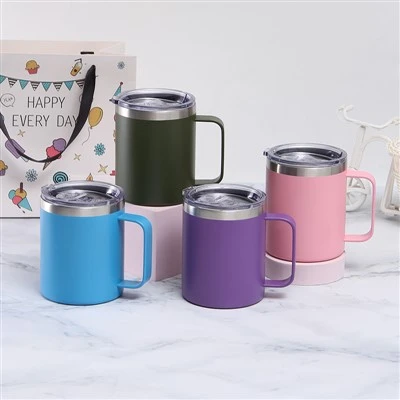
If you’re a business looking to source high-quality, eco-friendly coffee cups that fit your needs, feel free to reach out to discuss your requirements. We work with all types of clients, from small local spots to large chains, and we can help you find the right balance between sustainability, functionality, and cost.
Sports Water Bottle References:
- Food and Agriculture Organization of the United Nations. (2020). Life cycle assessment of single-use coffee cups.
- Environmental Protection Agency. (2021). Plastic pollution in municipal solid waste.
- Biodegradable Products Institute. (2022). Compostability standards for plant-based packaging.
- World Resources Institute. (2019). The carbon footprint of reusable vs. disposable beverage containers.
- National Resources Defense Council. (2020). Styrofoam: A toxic threat to human and environmental health.
Yongkang Paixin Trading & Manufacturing Co., Ltd.
We are one of the most experienced coffee cup manufacturers and suppliers in China. With a professional production team, we are able to meet the needs of the majority of our customers. Please rest assured to wholesale bulk customized coffee cup made in China here from our factory.
Address: No. 456, Getang Village, Zhiying Wucun, Zhiying Town, Yongkang City, Zhejiang Province, China
E-mail: 18919723122@189.cn
WebSite: https://www.paxincup.com/
