Hey folks, let’s cut to the chase—if you’re in the automotive manufacturing game, you know how much pressure there is to nail parts that are light, tough, cheap to make, and ready for the road yesterday. I run an automotive plastic injection molding shop, so this question (“Can automotive plastic injection molding be combined with other manufacturing processes?”) lands in my shop every single week. I’ve seen shop floors turn that “can we?” into “dude, this is how we’re keeping our clients from bailing to the competitor down the road,” so let’s break this down like we’re huddled by a break room microwave, not sitting in a stuffy conference call. Automotive Plastic Injection Molding
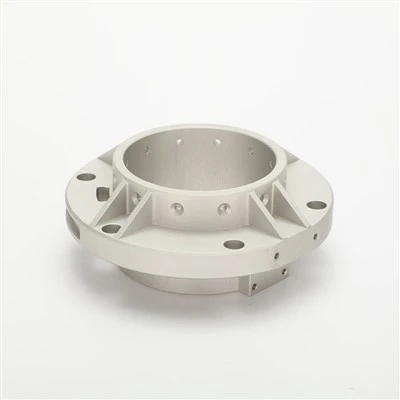
First, let’s get one myth out of the way: people used to treat injection molding like the only tool for plastic auto parts—you melted resin, shot it into a mold, popped it out, done. But these days? No one’s making a full dashboard, a door handle, or even a tiny sensor bracket that way anymore. Our team’s been pairing injection molding with everything from welding to 3D printing, and the results? Parts that don’t crack when the car goes over a pothole, weigh less, and cost way less than if we did ‘em solo. Let’s start with the most common combo we run: overmolding. This isn’t some fancy new trick—we’ve been doing it for door handles and steering wheel grips for years, but even now we’re tweaking it for way cooler stuff. Think about that steering wheel you hold every day: hard plastic core for structure, soft rubbery TPE (thermoplastic elastomer) on the rim so it doesn’t slip when you’re turning. Before overmolding, you’d glue that TPE on after molding—glue that fails in extreme heat or cold, right? Now we shoot the hard plastic first, then rotate the mold, shoot the TPE right onto it. No glue, no gaps, and it bonds so tight you can’t peel it off without scratching the base plastic. Last quarter we did 50k door handles for a pickup truck brand, and they cut their warranty claims for grip failures by 70%. That’s not just a win for us—that’s a win for their customers.
Wait, but overmolding isn’t just soft grips. We’ve been pairing it with metal inserts, too. A lot of auto parts need a tiny threaded hole so you can bolt something on—like a side mirror or a taillight bracket. Back in the day, you’d have to mold a hole, then press a metal insert in afterward, which often pops out during assembly or the car’s lifetime. Now we drop the metal insert straight into the mold before we shoot the plastic. The hot resin melts a little bit of the metal’s surface, so it fuses together. No more pressing, no more loose inserts. Last year we did a bunch of battery bracket parts for an EV maker—they needed metal threaded posts that didn’t move even when the battery vibrates at 60 mph. This combo worked so well they doubled their order volume and haven’t had a single complaint. That’s the kind of reliability that keeps clients coming back.
Now, what if you need a part that has super detailed, small features that regular injection molding can’t pull off? Like, say, a tiny sensor housing with micro-channels for fluid flow, or a bracket with a super precise internal clip? We pair injection molding with 3D printing all the time here, and it’s not just prototyping—we’re doing it for production runs. A few months ago, a client came to us with a sensor housing that had a 0.2mm internal channel. Regular injection molding molds can’t hold that precision without costing a fortune and taking weeks to machine. So we 3D printed a custom mold insert out of high-temperature resin, put that into our standard injection mold, then shot the plastic around it. The 3D printed insert melted a little bit where the resin hit, leaving a seamless, super tight channel that wouldn’t leak. We did 100k of these in 2 months, and the client cut their part cost by 25% compared to if they’d used traditional machining for the insert. The key here is that we use 3D printing for the specific hard-to-make parts, then lean on injection molding for the bulk of the production—you get the best of both worlds: precision where you need it, speed and volume where you don’t.
Another combo we’re obsessed with is ultrasonic welding. Wait, why would you pair two processes that both involve melting plastic? Let’s be real: sometimes a part is just too big, or has too many weird angles, to mold in one piece. Take a truck’s tailgate inner panel— it’s huge, has cutouts for lights, hinges, and wiring harnesses, and molding it all in one piece would require a mold so big it’d take up half our shop floor. So we mold it in two separate halves, then use ultrasonic welding to fuse them together. The welder vibrates at high frequency, melts the plastic along the seam, and presses the two halves together—done in 2 seconds flat, no glue, no extra parts. We’ve been doing tailgate panels for a major US truck brand for 3 years now, and the welds are so strong they actually outlast the plastic itself. That’s wild, right? People think welding is for metal, but for plastic parts, it’s way more reliable than old-fashioned fasteners, which add weight and cost.
Wait, but let’s talk about when this goes wrong—because no combo is perfect. I’ve seen teams try to pair processes without thinking through the small stuff, and it blows up. A few years back, a client had us do a door trim part that combined overmolding and painting. They wanted the soft TPE grip, then a glossy paint on the hard plastic part of the trim. But we didn’t test the paint before molding—turns out the TPE’s release agent got on the hard plastic, so the paint peeled off 6 months in on 10% of their parts. That cost them a ton in returns, and they almost left us. Now we do test runs for every combo, small batches first, check for gaps, adhesion, heat resistance, all that. Another mistake: not accounting for how two processes affect each other’s lead times. If you’re waiting on a custom 3D printed insert, don’t lock in your injection molding timeline before that insert arrives. We’ve got a whole QA team that checks every step, from the first mold design to the final part, so we avoid that mess.
Why does this matter, anyway? For the industry, not just our shop. Cars are getting more complex—EVs, ADAS (advanced driver-assistance systems), all the fancy stuff that needs tiny, precise parts. If we stick to just one process, we can’t keep up with demand for parts that are lighter, cheaper, safer. A study I read recently said that combining injection molding with other processes cuts part weight by up to 15% for certain auto components, which directly boosts EV range. That’s not just a cost win for manufacturers—it’s a win for the planet, too. And for us? It’s how we stay competitive. When every other plastic molder is just doing straight injection molding, we’re offering solutions that solve real problems for our clients. Last year, 60% of our jobs were combined processes, up from 20% three years ago. That’s not a trend—it’s the new normal.
What’s next? We’re testing inserting small electronics into molded parts now—like tiny sensors, before we shoot the plastic, so they’re sealed inside the part. That would eliminate the need for extra housings, cut weight even more. We’re also working with a carbon fiber additive for the resin, paired with overmolding, to make parts that are stronger than steel but way lighter. The possibilities are endless, but the key is not just adding processes for the sake of it—it’s pairing them in a way that solves a specific problem, no shortcuts.
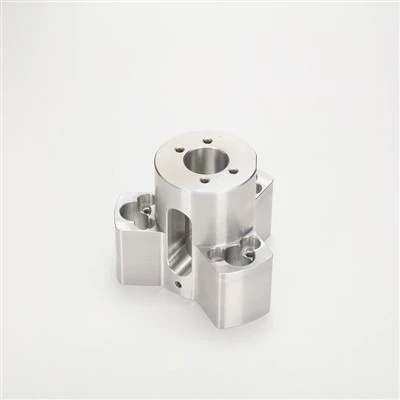
At the end of the day, the answer to that question is a resounding YES. Automotive plastic injection molding isn’t a standalone process anymore—it’s a foundation that we build on to make better parts, faster, cheaper, and more reliable. If you’re an auto OEM, a tier 1 supplier, or anyone who needs plastic parts that work for the road, stop trying to figure out how to do it with one process. Hit us up to talk through your part, no pressure, no sales pitch that sounds like a robot wrote it. We’ll walk through what we’ve done, what we can do for you, and make sure you don’t have to deal with the headaches we’ve already fixed for other clients.
Precision Metal Parts References
- Automotive Industries Association of Canada. (2023). "Lightweighting Trends in Electric Vehicle Component Manufacturing." Industry Report.
- Engineering.com. (2022). "Combining Additive Manufacturing and Injection Molding for High-Volume Automotive Parts." Technical Case Study.
- Society of Plastics Engineers. (2021). "Overmolding and Insert Molding: Best Practices for Automotive Applications." Industry Whitepaper.
- U.S. Department of Energy. (2023). "Lightweighting Technologies to Improve Electric Vehicle Range." Clean Transportation Report.
Zhejiang Hayi Technology Co., Ltd.
With abundant experience, we are one of the most professional automotive plastic injection molding manufacturers in China. We warmly welcome you to wholesale bulk automotive plastic injection molding in stock here and get quotation from our factory. All customized products are with high quality and competitive price.
Address: Room 112, 1st Floor, No. 103, Siwangdai, Pingzhai Village, Renhe Subdistrict, Yuhang District, Hangzhou City, Zhejiang Province
E-mail: 18368133797@163.com
WebSite: https://www.zhejianghayi.com/
