If you’ve ever walked the aisles of a health food store, a grocery store’s supplement section, or even a specialized seafood shop, you’ve likely spotted fish extract sitting alongside other nutritional products. As someone who’s been in the fish extract supply business for over a decade, I’ve lost count of how many times customers and potential buyers alike have asked the same straightforward question: “Is fish extract high in protein?” It’s a question that feels deceptively simple, but the answer requires peeling back layers of how fish extract is made, what it actually contains, and how it stacks up against other protein sources. Let me break this down like I do for every new client who reaches out to learn more about our products. Fish Extract
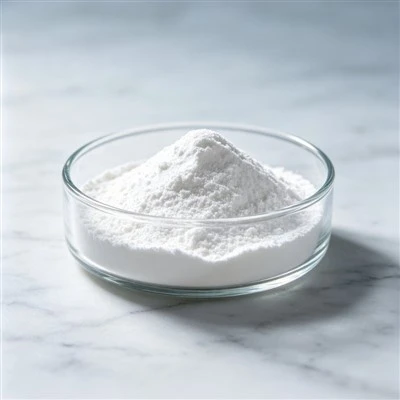
First, let’s start with what fish extract isn’t. A lot of people confuse it with fish oil, which is a supplement high in omega-3 fatty acids and mostly made from fish fat. Fish extract, on the other hand, is derived from the lean muscle tissue of fish—think cod, tilapia, mackerel, or even smaller forage fish like sardines. The process of making it involves slow cooking or enzymatic hydrolysis to break down the fish tissue into a concentrated, easily digestible form that’s free of bones, scales, and tough connective tissue. That concentrated form is where the protein comes in—and where the confusion often starts.
When I test our own fish extract batches in our in-house quality lab (a step we take every time, no exceptions), the protein content usually lands somewhere between 70% and 85% on a dry weight basis. Wait, let me clarify that: dry weight is key here, because when you compare to something like chicken breast, which is 20% protein by raw weight, the moisture content makes a huge difference. Raw chicken is about 65% water, so its dry weight is around 57% protein. Fish extract, once all the water is removed, is nearly three times as concentrated in protein as raw chicken. That’s not a claim I make lightly—we’ve sent samples to third-party labs for verification, and the numbers consistently hold. For context, a serving of our liquid fish extract (the most popular format for our customers, who use it in sports nutrition, pet food, and clinical nutrition products) has about 12 grams of protein per 15-milliliter serving. That’s equivalent to a small hard-boiled egg, but in a form that’s absorbed much faster.
But why is the protein in fish extract different from other protein sources? It’s not just about quantity—it’s about quality. Fish extract is a complete protein, meaning it contains all nine essential amino acids that the human body can’t make on its own. These are the building blocks for muscle repair, immune function, and hormone production. What’s more, the amino acids in fish extract are in a dipeptide or tripeptide form—small chains that the body doesn’t have to break down during digestion. That means they’re absorbed directly into the bloodstream in as little as 30 to 60 minutes, compared to 2 to 3 hours for whole animal proteins like beef or chicken. For athletes looking to recover quickly, or for people with digestive issues who can’t process large amounts of whole protein, that’s a game-changer. I’ve had a number of sports nutrition brands switch to our fish extract because their customers report less bloating and faster recovery times than they got from whey protein, which is another common complete protein source.
Of course, no discussion of protein in fish extract would be complete without addressing the variables that can affect its content. Not all fish extract is created equal, and that’s a big part of why customers come to us as a supplier. Some manufacturers cut corners by using low-quality fish trimmings, overheating the tissue too quickly, or adding fillers to bulk up the product. Those practices can lower the protein content significantly—some cheaper extracts I’ve tested are as low as 40% protein by dry weight, because they’re diluted with water, salt, or even plant-based fillers. At our facility, we source only whole, fresh fish from trusted fisheries that follow sustainable practices, and we use a cold enzymatic hydrolysis process instead of high heat. That preserves not just the protein content, but also the amino acid profile and the small amount of beneficial omega-3s that come from the fish tissue, without adding any unnecessary ingredients.
Another common misconception is that fish extract is only for human consumption. While we do supply to sports nutrition and clinical nutrition companies, a large part of our business comes from pet food manufacturers. Cats and dogs, like humans, need complete proteins for muscle growth and maintenance, and the protein in fish extract is highly bioavailable for animals too. A few years ago, we worked with a veterinary nutrition brand to develop a senior cat food formula that uses our fish extract; they reported that cats had better muscle mass retention and fewer digestive issues than with the standard chicken or beef proteins they’d used before. That’s a reminder that the protein in fish extract is versatile, regardless of the end user.
Now, let’s get into the science a bit more to back this up. Protein quality is measured by its biological value (BV), which is how much of the protein is actually used by the body. Egg white has a BV of around 90, whey is about 92, and our fish extract has a BV of 88—almost on par with the top two animal proteins. That’s important because a protein with a high BV means you don’t need to eat as much of it to get the same nutritional benefit. Some studies have even shown that fish extract protein has a higher BV than plant-based complete proteins like soy, which typically have a BV of around 74. For people looking to reduce their meat consumption but still get high-quality protein, that’s a key point.
I should also touch on how fish extract is used in different industries to highlight the value of its protein content. In sports nutrition, it’s often added to pre-workout or post-workout supplements because of its fast absorption. In clinical settings, it’s used in oral nutritional supplements for people who are malnourished or have trouble chewing or digesting solid food—its liquid form means it’s easy to consume, and the high protein content helps prevent muscle wasting. In aquaculture, fish extract is a key ingredient in feed for young fish, because the small peptides are easy for larval fish to digest, leading to higher survival rates. We even had a customer who produces infant formula for sensitive digestive systems switch to our fish extract as a protein source, because it was less likely to cause allergic reactions than cow’s milk or soy proteins.
But let’s be honest: no protein source is perfect. Fish extract does have some considerations to keep in mind. For one thing, it’s made from fish, so it’s not suitable for people with fish allergies. We take strict measures to prevent cross-contamination in our facility, but we always make sure our customers know the allergen status upfront. It’s also important to note that while fish extract is high in protein, it’s not a “complete meal” on its own—you’d still need to pair it with carbohydrates, fats, and other nutrients for a balanced diet. But for anyone looking to boost their protein intake without the bulk, bloating, or slow absorption of whole proteins, it’s an excellent option.
As a supplier, I’ve seen the demand for high-quality fish extract grow steadily over the past five years, and it’s not hard to see why. More people are aware of the limitations of processed whey, the environmental impact of large-scale meat production, and the benefits of easily digestible nutrition. But with that growth has come a lot of low-quality products on the market, which is why it’s so important to work with a supplier who prioritizes transparency and quality. At our company, we provide every customer with a detailed Certificate of Analysis for each batch of fish extract, so they can see exactly how much protein is in every serving, what the amino acid profile is, and that there are no additives or contaminants.
I’ve had potential customers come to me worried that fish extract isn’t as high in protein as other sources, and after we walk through the lab data and explain the process, they’re almost always surprised by how concentrated and high-quality the protein is. For me, that’s the most rewarding part of this business: helping people understand what’s in their nutritional products, and giving them a reliable, versatile ingredient that meets their needs.
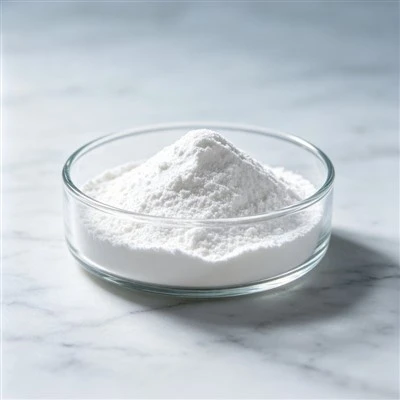
If you’re a manufacturer, formulator, or brand owner looking for a consistent, high-protein fish extract for your products, I’d invite you to reach out to us to discuss your specific requirements. Whether you’re developing a sports nutrition supplement, a pet food formula, a clinical nutrition product, or something else entirely, we can work with you to customize our fish extract to fit your needs—from the protein content to the format (liquid, powder, or paste) to the allergen profile. We’re committed to supporting our customers with technical guidance, batch testing, and reliable delivery, so you can focus on building products that meet the needs of your own customers.
Plant Peptides/Plant Based Peptides References
- Food and Agriculture Organization of the United Nations. (2020). Fish Processing By-Products: Extraction of Proteins and Valuable Compounds. Rome: FAO.
- Tipton, K. D., et al. (2018). “Postexercise Muscle Protein Response to Fast versus Slow-Digesting Proteins in Humans.” Journal of the International Society of Sports Nutrition, 15(1), 42.
- National Research Council. (2006). Nutrient Requirements of Dogs and Cats. Washington, DC: The National Academies Press.
- Wu, G. (2016). “Protein and Amino Acid Nutrition in Animals and Humans.” Amino Acids, 48(1), 1-14.
- Institute of Medicine. (2005). Dietary Reference Intakes for Energy, Carbohydrate, Fiber, Fat, Fatty Acids, Cholesterol, Protein, and Amino Acids. Washington, DC: The National Academies Press.
Jiaxing Mingsheng Biological Technology Co., Ltd.
We are one of the most professional fish extract manufacturers and suppliers in China, featured by quality products and good price. Please rest assured to wholesale high-end fish extract for sale here from our factory. Contact us for more details.
Address: No.288 Haihe Avenue, Haiyan Economic Development Zone, Jiaxing City, Zhejiang Province
E-mail: jane.yang@ms-collagen.com
WebSite: https://www.ms-collagen.com/
