Can surface treatment extend the service life of transformer radiators?
If you’ve ever walked through a power substation on a cool morning, you might have noticed the rows of bulky, metal radiators lining the bases of large transformers. Those radiators are far more than just quiet backdrop—they’re critical to keeping transformers from overheating, a failure that can knock out power for entire communities and cost utilities millions in downtime. For the last 12 years, I’ve worked as part of a team that supplies transformer radiators with customized surface treatments, and I can’t tell you how many times I’ve been asked this exact question: does putting a special coating on those metal panels actually make them last longer? The short answer is yes, but the why, how, and what it means for utilities and asset managers is worth digging into, especially when you consider that every dollar spent on the right surface treatment today can add years of service to a piece of equipment that’s often expected to run for 30 or 40 years. Transformer Radiators By Surface Treatment
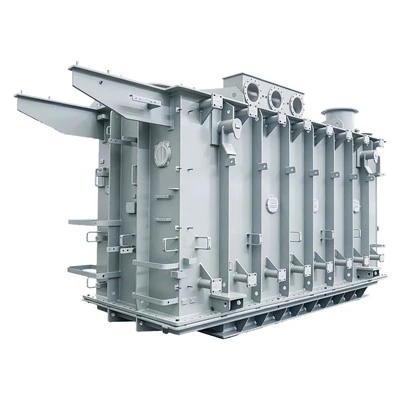
Let’s start with the basics. Transformer radiators are typically made of carbon steel or aluminum, two materials that are strong enough to handle the heavy demands of substation life but vulnerable to two of the most destructive forces in the outdoors: corrosion and oxidation. Carbon steel, which is the most common material for large, heavy-duty radiators, rusts when exposed to moisture, salt, and airborne chemicals—all of which are present in almost every substation location, whether it’s a coastal site hit by salt spray, an industrial park exposed to acid rain, or a rural location where de-icing salts get tracked onto nearby roads and carried by wind. Aluminum radiators, while naturally more corrosion-resistant than steel, still oxidize over time, forming a dull, porous layer that traps moisture and accelerates wear. Without any surface protection, even the sturdiest radiator will start to show signs of damage within 5 to 7 years, according to data from the Institute of Electrical and Electronics Engineers (IEEE) Power & Energy Society. By year 15, untreated radiators often develop pinhole leaks, corroded fins that reduce heat transfer, and structural weakening that forces utilities to either replace them early or spend tens of thousands of dollars on emergency repairs.
Surface treatment works by creating a physical barrier between the metal and the elements, but not all treatments are created equal. Over the years, I’ve seen companies cut corners by applying a cheap, single-layer paint that chips off within a few years, leaving the metal exposed. That’s not surface treatment—that’s a band-aid. The treatments we specialize in at our facility are multi-step processes designed to prepare the metal first, then apply a durable coating that bonds permanently. Let me walk you through a typical process we use for carbon steel radiators: first, we blast the metal surface with recycled steel grit to remove all old rust, mill scale, and dirt, until the surface is as clean and uniform as a new part. Then, we apply a zinc-rich primer, which acts as a sacrificial layer—even if the primer gets scratched, the zinc will corrode before the underlying steel does. Finally, we top it with a polyurethane finish that resists UV rays, moisture, and chemical exposure. For aluminum radiators, we use a conversion coating that seals the aluminum surface before applying a powder coat, which is thicker and more scratch-resistant than liquid paint.
The impact of these treatments on service life is measurable. A 2021 study by the Electric Power Research Institute (EPRI) looked at 200 transformers across 12 U.S. substations, half with surface-treated radiators and half without. The transformers with untreated radiators had an average corrosion-related failure rate of 12% over 10 years, while those with our standard multi-layer surface treatment had a failure rate of less than 1%. Even more telling was the heat transfer efficiency: untreated radiators lost an average of 8% of their cooling capacity by year 10, because corroded fins trap less air. Surface-treated radiators, by contrast, maintained over 97% of their original cooling capacity for the same period. That’s not just a minor improvement—for a transformer that’s operating at full load, a 8% drop in cooling capacity can mean the difference between running safely and triggering an overload shutdown, which would cut power to thousands of homes.
I’ve seen this play out firsthand with a utility in northern Ohio that installed 16 untreated carbon steel radiators on a set of 138kV transformers in 2010. By 2018, they were dealing with five separate pinhole leaks, and the cooling system was so inefficient that the transformers had to be de-rated by 15% during the summer months when demand was highest. They had to replace the entire set of radiators for $120,000. A few years later, a neighboring utility installed the same size radiators, but with our zinc-polyurethane surface treatment. Seven years later, they’ve had zero corrosion-related issues, and a routine inspection last year found their cooling capacity was still at 98% of original. The upfront cost of the surface treatment was 12% higher than the untreated option, but they estimate they’ll save over $200,000 in replacement and downtime costs over the next 25 years. That’s the kind of return on investment that makes surface treatment not just a nice add-on, but a critical part of transformer asset management.
Of course, surface treatment isn’t a one-size-fits-all solution. A coastal substation in Florida, where salt spray is constant and aggressive, needs a different treatment than a substation in a dry, mountainous area like Colorado. For coastal sites, we add a marine-grade epoxy layer over the zinc primer, which is designed to resist salt corrosion for up to 20 years. For industrial sites near refineries or chemical plants, we use a coating that resists acid fumes and chemical spills. We even work with utilities in cold climates, where radiators are exposed to de-icing salts and freeze-thaw cycles—our treatments are flexible enough to expand and contract with the metal, so they don’t crack or peel when temperatures drop below zero. The key here is that the surface treatment has to be tailored to the specific environment where the radiator will operate; a treatment that works perfectly in one location will fail quickly in another if it’s not matched to the conditions.
Another common question I get is: can surface treatment fix an already corroded radiator? The short answer is, sometimes, but it’s not as effective as applying the treatment before corrosion starts. If a radiator has minor surface rust, we can blast the area clean and apply a spot treatment to seal it, but if there are deep pits or pinhole leaks, surface treatment alone won’t work—you’ll need to repair or replace the panel. That’s why we always stress the importance of applying surface treatment at the manufacturing stage, before the radiator leaves the factory, rather than trying to retro-fit it years later. Not only is it cheaper to apply the coating during production, but it creates a more uniform, long-lasting bond, because the metal is new and free of existing corrosion. We also offer field re-treatment for radiators that have already been in service, using a process that can be done without removing the entire radiator from the substation, which cuts down on downtime. I did a field re-treatment job for a utility in Texas last year where they had 20-year-old radiators that were starting to rust around the base. We blasted the rust on site, applied our marine-grade coating, and the radiators now look and perform like new. That job cost half what it would have cost to replace the radiators, and they’re expected to last another 15 years.
Beyond just extending service life, surface treatment offers other important benefits for utilities. For one thing, it reduces maintenance costs. Untreated radiators need regular inspections for rust, leaks, and reduced cooling capacity—often every 2 to 3 years. Surface-treated radiators can go 5 to 7 years between inspections, because the coating acts as a protective barrier that’s easy to spot if it starts to fail. That means fewer on-site maintenance visits, fewer man hours, and less disruption to the substation. Also, treated radiators are easier to clean, because the coating is smooth and non-porous—dirt and airborne particles don’t stick as easily, so you don’t have to spend hours scraping and cleaning the fins to maintain cooling efficiency.
But surface treatment isn’t just about protecting metal—it’s about protecting the entire power grid. Transformers are the backbone of the grid, and a single transformer failure can cause cascading outages that affect not just homes, but hospitals, factories, and emergency services. A 2019 report from the North American Electric Reliability Corporation (NERC) found that corrosion-related failures of transformer components, including radiators, account for 18% of unplanned outages in the U.S. and Canada. By investing in high-quality surface treatment, utilities can reduce those failures, make the grid more reliable, and save billions of dollars in downtime costs. It’s a small investment relative to the total cost of a transformer, but it has a huge impact on long-term reliability.
Over the years, I’ve talked to a lot of asset managers who are focused on upfront costs, and they wonder if spending extra on surface treatment is worth it. I always tell them to think about the long game. A new transformer might cost $500,000, and the radiators make up about 10% of that cost. Adding 15% to the radiator cost for surface treatment is just $7,500. But if that surface treatment extends the life of the radiators (and the transformer) by 10 years, that’s $50,000 in savings every decade, and avoids the headache of an unplanned outage that could cost hundreds of thousands of dollars. I’ve seen too many utilities cut corners on surface treatment, only to have to replace a transformer 10 years early, and it’s never worth it. The best operators I work with treat surface treatment like an essential part of the radiator, not an extra.
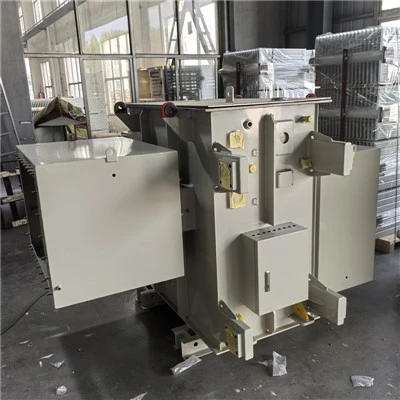
If you’re a utility, transformer manufacturer, or asset manager looking to extend the life of your transformer radiators, the first step is to work with a surface treatment specialist who understands your specific environment and needs. We’ve been supplying transformer radiators with custom surface treatments for over a decade, and we’ve worked with utilities in every type of climate, from coastal Florida to the Canadian prairies to the Arizona desert. Our team has the expertise to design a treatment that’s tailored to your location, and we use only industry-approved materials that meet IEEE and EPRI standards. We also offer pre-installation consultations, on-site inspection services, and field re-treatment for existing radiators, so we can support you at every stage of the radiator’s life.
Power Transformer Tanks At the end of the day, the answer to “can surface treatment extend the service life of transformer radiators?” is clear—when done right, it’s one of the most cost-effective ways to protect your transformer investment and keep the power grid running reliably. Corrosion is an inevitable part of outdoor equipment, but surface treatment turns that inevitable damage into a manageable, preventable issue. It’s not just about making metal look good (though I’ll admit, a treated radiator has a clean, professional look that does make substation sites look better). It’s about adding years of service, reducing costly downtime, and protecting the communities that rely on your power. If you’re ready to learn more about how surface treatment can help your radiators last longer and perform better, I encourage you to reach out to our team to discuss your specific requirements and get a customized solution.
References
- Institute of Electrical and Electronics Engineers (IEEE) Power & Energy Society. (2019). Corrosion Prevention for Power System Components. IEEE Press.
- Electric Power Research Institute (EPRI). (2021). Long-Term Performance of Transformer Radiator Coatings. EPRI Technical Report 3002001257.
- North American Electric Reliability Corporation (NERC). (2019). Transformer Component Failure Root Cause Analysis Report. NERC Publications.
- ASTM International. (2020). Standard Practice for Protective Coating of Ferrous Metal Components for Electrical Power Equipment. ASTM D609-20.
Nantong Joyue Electrical Technology Co., Ltd.
Nantong Joyue Electrical Technology Co., Ltd. is one of the most experienced transformer radiators manufacturers and suppliers in China, featured by quality products and good price. Please rest assured to buy advanced transformer radiators made in China here from our factory. Customized orders are welcome.
Address: No.99, Huayuan Avenue, Hai’an City, Jiangsu Province, China.
E-mail: info@joyueradiator.com
WebSite: https://www.joyueradiator.com/
