Hey there! If you’re here, chances are you’re on the hunt for BOPP woven bags, and let me tell you, the design options for these bad boys are way more flexible than you might think. I’ve been a BOPP woven bags supplier for over 8 years now, and I’ve worked with everyone from small-scale farmers needing to pack grain to big construction firms storing cement, not to mention food brands shipping rice, sugar, and even pet food. What most people don’t realize is that the design you pick doesn’t just make the bag look good—it directly impacts its strength, how it performs in different conditions, and even how your product stands out on shelves. Let’s break down the key design options I walk through with every client, no fancy jargon, just real talk that’ll help you pick what’s right for you. BOPP Woven Bags
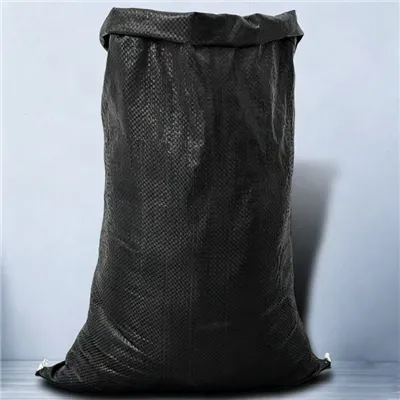
First up, let’s start with the base: the fabric itself. BOPP stands for Biaxially Oriented Polypropylene, right? It’s not just regular plastic—we stretch the polypropylene film both lengthwise and widthwise before weaving it, which makes it way stronger than old, flimsy woven poly bags. But here’s the thing: not all BOPP is the same. The weight (or GSM, grams per square meter, in case you didn’t know) is a big design call. For light stuff like bird seed or flour, I usually recommend 50-70 GSM. That’s thin enough to keep material costs down, but thick enough to not tear when you fill it. If you’re packing heavy goods like cement, fertilizer, or construction aggregates, you’ll need 80-120 GSM. I once had a farmer come to me after using a cheap 45 GSM bag for corn—half his bag tore open when he loaded it onto a truck, and he lost thousands of pounds of grain. So trust me, picking the right GSM isn’t trivial. We can also adjust the weave density: tighter weaves mean less chance of dust or small particles seeping out, which is perfect for food-grade products where you don’t want contaminants. Looser weaves work for things like animal bedding or garden mulch, where a little airflow is actually a plus to keep contents dry.
Next, the bag’s construction style, and this is where I see most clients get confused. The main designs are tubular, flat, and laminated—but wait, there’s more. Tubular bags are made from a single, continuous tube of woven BOPP, so both sides of the bag are the same material. They’re super quick to manufacture and great for bulk packaging where you don’t need fancy printing, like industrial salt or construction sand. Flat bags are cut from a single sheet of woven BOPP, folded in half to make a rectangular shape. They’re easier to customize with printing because you have two flat sides instead of a curved tube, and they’re stiffer, which helps the bag stand on its own on pallets. That’s a big one for retail brands—if you want your product to look neat when stacked, flat bags are the way to go. Then there’s laminated BOPP woven bags, which I swear by for most food and retail uses. We take the woven BOPP and laminate it with a thin layer of LDPE (Low-Density Polyethylene) film. This adds a moisture barrier—so if you’re packing rice that can go moldy when damp, or sugar that clumps up, laminated bags fix that. I had a snack brand come to me last year whose old unlaminated bags made their seasoned nuts go stale in humid climates; switching to laminated fixed that entirely. We also do UV-stabilized laminations for outdoor use—if you’re packing fertilizers that get stored in open yards, the UV coating prevents the bag from breaking down in sunlight, which extends its lifespan by 2-3 times.
Now, the closure method—this is something I don’t think enough people pay attention to, but it’s make-or-break for keeping your contents secure. The most common is stitch closure: we use strong polypropylene thread to sew the top of the bag shut. It’s cheap, fast, and works for almost any use, but if you need to reuse the bag, it’s a pain to open. For food products that need to be resealed, I recommend pinch-bottom or valve closures. Pinch-bottom bags have a folded, self-sealing top that you can crimp shut, and some even have a small tear notch so customers can open it easily without scissors. Valves are perfect for powdered goods like cement or flour—you fill the bag through the valve, which then self-seals so no dust gets out during transport. Another option is heat-sealed closures, which we use for laminated bags because they melt the LDPE layer together for a completely airtight seal. That’s ideal for products like coffee beans or pet food that need to stay fresh for months. I once had a coffee roaster client who switched from stitch-closed bags to heat-sealed; their beans’ shelf life went from 3 months to 6, and sales went up because customers noticed the freshness difference.
Printing is where you can really make the bag work for your brand, and that’s another big design option. A lot of new clients assume printing is just for looks, but it’s a marketing tool too. We use two main printing methods: flexo and rotogravure. Flexo is cheaper, works for up to 6 colors, and is perfect for small to medium orders. I use flexo for clients who are just starting out and don’t need tons of custom colors. Rotogravure is better for large orders (over 10,000 bags, usually) and can do up to 12 colors, plus it gives a crisp, high-quality print that stands out on store shelves. We can print your logo, product details, nutrition facts, barcodes, even handling instructions—like “keep dry” or “do not stack above 10 bags.” I once worked with a small rice farm in India; they had a generic woven bag before, but after we printed their farm’s logo, “organic non-GMO” text, and a food safety certification, their sales doubled because customers trusted the product more. We also offer matte or glossy finishes on the printed area—gloss is good for vibrant colors, matte looks more premium for artisanal or high-end products.
Wait, let’s not forget special features that make BOPP woven bags even more versatile. If you’re packing heavy products, we can add reinforced loops or handles. Woven loops let you lift the bag with a forklift, which is a must for construction or agricultural bulk shipments. Handled bags are great for retail—think 5-pound bags of pet food with a woven handle so customers can carry them easily without struggling with a flimsy top. We also do perforated bags for products that need airflow, like fresh produce or garden soil. Perforations let air circulate, so produce doesn’t get moldy after being packed, and soil stays loose. For hazardous materials, we can add UN markings and meet strict safety standards, so you don’t have to worry about complying with regulations. I even worked with a chemical company that needed bags for fertilizer with corrosive additives; we lined the inside with an extra layer of HDPE to prevent the chemical from eating through the bag, which saved them from thousands of dollars in product damage.
Let me walk through a quick example to make this real. Suppose you’re a small feed brand launching a new line of organic chicken feed. You’d need a bag that’s moisture-resistant, stands on store shelves, has your brand’s logo, and is easy for customers to carry. Here’s what we’d design: 80 GSM BOPP, laminated with LDPE for moisture protection, flat construction so it stands, rotogravure printing with 8 colors (your logo, “organic” badge, feeding instructions), and a 2-inch woven handle for carrying. Total cost is way lower than plastic buckets or metal bins, and it’s recyclable—customers love that part. If you’re a construction company needing cement bags for a local job site, we’d go with 100 GSM tubular BOPP, valve closure, UV-stabilized so it doesn’t break down in the sun, and print the company name on the side for easy identification.
I know it can feel overwhelming to pick all these options, but that’s what I’m here for. As a BOPP woven bags supplier, I don’t just sell you a bag— I help you figure out exactly what design fits your product, budget, and goals. Too many suppliers just push one-size-fits-all bags, but I’ve seen how the right design can make a huge difference: less waste from torn bags, better shelf appeal, higher customer satisfaction.
If you’re ready to talk through your specific needs—whether it’s a small test order or a bulk shipment for your business—hit me up. I can send over samples of different GSMs, construction styles, and printing finishes, and walk you through which designs will work best for your product. Don’t settle for a generic bag when you can have one that’s custom-built for what you’re packing.
Woven Polypropylene Feed Bags References:
- Polypropylene Woven Bags: Properties and Applications, International Journal of Packaging Technology and Science, 2021
- Guide to BOPP Lamination for Flexible Packaging, Flexographic Technical Association, 2022
- Agricultural Packaging Standards for Bulk Grain and Fertilizer, World Bank Agricultural Supply Chain Series, 2020
- Retail Packaging Design Best Practices for Flexible Bags, Packaging Digest, 2021
Liaoning Xunlian Packaging Products Co., Ltd.
Liaoning Xunlian Packaging Products Co., Ltd. is one of the most professional bopp woven bags manufacturers and suppliers in China, featured by quality products and good service. Welcome to wholesale CE approved bopp woven bags made in China here and get quotation from our factory. Customized orders are welcome.
Address: Chaoyang Industrial Park, Kangping, Shenyang, Liaoning, China.
E-mail: info@xunlianpack.com
WebSite: https://www.xunlianpack.com/
