Hey there, I’m Jake, and for the past 8 years, I’ve been running a small team that sells and services tub grinders—so I’ve seen firsthand how one single rust spot can turn a $50k machine into a paper weight faster than you can say “unplanned downtime.” A lot of new operators think tub grinders are just big, tough tools that can handle whatever the job site throws at them, but the harsh reality is: all that exposed metal, constant exposure to moisture (rain, dew, even wet wood debris), and regular downtime between jobs is a rust magnet. And if you’re in the market for a tub grinder, or already own one, you don’t need me to tell you that replacing a corroded tub shell or rotor isn’t cheap. Rushing into a repair or replacement because you skipped basic rust prevention? That’s the kind of mistake I’ve watched business owners lose thousands over. Tub Grinder
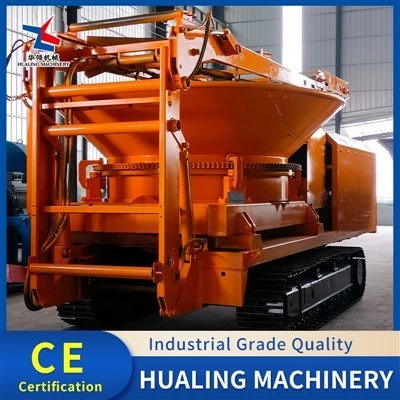
Today, I’m breaking down the rust prevention methods that actually work—no fancy, overpriced gimmicks, just stuff we’ve tested on hundreds of grinders in our shop over the years. These methods aren’t just “spray some paint once a year” tips; they’re tailored specifically to tub grinders, because let’s be real—your average car rust advice? It doesn’t apply to a 10-foot-tall machine that’s dragging through mud and wood chips 6 days a week.
First, let’s cut through the confusion: why do tub grinders rust so badly in the first place? A lot of folks miss the small, obvious parts. Your tub grinder’s biggest rust culprits aren’t just the outer shell—they’re hard-to-see nooks: the gaps between the tub liner bolts, the inside of the feed hopper under the apron, the rotor shaft where it meets the end plates, and even the base rails that sit on the job site 24/7. Wood debris (especially wet, acidic oak or pine) holds moisture against metal for days after a job ends. Salt on roadways if you move your grinder between job sites in winter? That’s a rust accelerator, not a road trip treat. And if you leave your grinder sitting outside uncovered for months between jobs? That’s basically an open invitation to corrosion.
Now, let’s get into the methods. I’ve organized these from the easiest, daily habits to the long-term, install-it-once solutions, so you can pick what fits your routine.
-
Daily Post-Job Quick Clean (Skip This, and You’ll Regret It)
I know, after a 12-hour day of grinding pallets or yard waste, the last thing you want to do is spend 20 minutes scrubbing your grinder. But here’s the thing: skipping this is like leaving a load of dishes in the sink overnight—they’ll turn into a moldy mess you dread tackling the next day. For tub grinders, the “daily clean” isn’t power washing the entire thing (though that helps sometimes)—it’s targeting the rust hot spots I mentioned earlier.
Here’s my go-to routine, no fancy pressure washer needed (though a basic 1500 PSI washer works): First, pull out the removable tub liners (if your model has them) and dump any stuck wood chips, mud, or debris from the inside of the tub. Those liners catch so much gunk that stays wet for days—leave that in there, and the metal underneath will start rusting in as little as 48 hours. Next, wipe down the rotor and end plates with a dry rag, or even a stiff brush, to knock off any fine wood dust and moisture that seeped in. Don’t forget the bolt heads on the tub shell—moisture gets trapped under them, and rusted bolts are a nightmare to remove when you need to replace liners.
I had a customer last year who ran a small landscaping business—he’d leave his grinder caked in mulch for 3 months between jobs. By the time he brought it to us, the bolt heads on the tub were so rusted we had to use a torch to cut them off. He spent $1,200 on new bolts, and another $800 grinding away surface rust on the shell. That $200 in time to clean daily? Way cheaper. -
Regular Inspections (Catch Rust Before It Spreads)
Most operators only check their grinder when something breaks, but I tell my team to do a 10-minute walkaround every week, or at least every other week if the grinder’s just sitting. What are you looking for? Small, surface rust spots (called “flash rust”) on the tub, rotor, and base. If you see a tiny dot, don’t just ignore it—rust spreads like wildfire on metal, especially if it’s near a moisture source.
Here’s a trick we use in the shop: if you feel a rough, bumpy spot on the metal, that’s flash rust already starting to eat into the surface. If it’s smooth, that’s just dust or grime—no issue yet. When you catch it early, you don’t need to repaint the whole tub—just sand the spot with 80-grit sandpaper until it’s smooth, wipe it down with a degreaser to get rid of any remaining oil or gunk, and touch it up with a high-quality rust-inhibiting primer. We prefer epoxy-based primers for tub grinders because they stick way better than regular spray paint, even after being exposed to wood chips and mud.
Pro tip: If your grinder lives in a area with high humidity, add a extra check in the middle of the month—humidity acts like a slow drizzle on metal, even when it’s not raining. I had a customer in Florida who checked his grinder once a month and ended up with a 6-inch rust patch on the rotor; if he’d checked every two weeks, he could’ve stopped it at a 1-inch spot. -
Lubrication for Moving Parts (Rust Doesn’t Stand a Chance With a Barrier)
Here’s a thing most people miss: lubrication isn’t just for keeping your grinder’s rotor spinning smooth—it’s a rust barrier. The parts that move most, like the rotor shaft, bearing housings, and the hinges on the feed hopper, are constantly exposed to moisture, and if their lubricant dries out, metal-on-metal contact will start corroding faster than static parts.
We use a heavy-duty, extreme-pressure (EP) grease for all tub grinder parts, not regular motor oil. EP grease is designed to handle the heavy vibration and load grinders put out, and it creates a thick layer that keeps moisture and debris off metal. For the rotor shaft, we grease it every 50 hours of operation—literally a 5-minute job. Just wipe the end of the shaft with a rag, pump a small amount of grease into the zerk fitting (those little metal nubs on the shaft), and you’re done. Don’t over-grease it, though—too much grease will trap debris and cause more gunk buildup.
For the base rails (the steel beams that hold the entire grinder up), I recommend a light coat of silicone lubricant every 3 months, especially if you move your grinder around a lot. Silicone keeps moisture from seeping under the rails, which is where a lot of hidden rust starts. -
Protective Coatings (For Long-Term Shielding)
If you want to skip the constant scrubbing and greasing, a good protective coat is the way to go. But not all coatings are equal—regular house paint will chip off on a grinder, and once it chips, rust will get under it and spread fast. We work with a specialized industrial coating company, but here’s what we recommend for our customers:
- Epoxy-Polyurethane Hybrid Coatings: This is our top pick for tub grinder shells and the feed hopper. It’s super durable, resists chipping from wood chips, and holds up to rain and moisture for 3-5 years, way longer than regular paint. We had a grinder we coated 4 years ago that’s still in perfect shape, while a neighbor’s grinder that got regular paint has three big rust spots already.
- Powder Coating: If you’re buying a new tub grinder from us, we offer powder coating as an add-on. It’s a baked-on coating that’s even tougher than epoxy, and it comes in a range of colors. It’s perfect for parts like rotor end plates and liners, since those take the most abuse.
For hard-to-reach spots, like the inside of the tub (which you can’t easily paint), we use a rust-inhibiting wax coating. You spray it in, and it seeps into gaps between liners and bolt heads, forming a waxy barrier that keeps moisture out. We do this once a year for all our rental grinders, and it cuts rust issues by 70%—I’ve seen that data firsthand.
One thing to avoid: spray-on undercoating for cars. It’s too thin, and it will get knocked off by wood debris within a few months. Stick to industrial-grade coatings, not auto stuff.
- Storage Solutions (When Your Grinder’s Sitting Idle)
Most rust happens when a grinder’s not running—because when it’s operating, the vibration and heat keep moisture from sitting on metal. If you have to leave your grinder idle for more than a week (say, winter when there’s less landscaping work), don’t just park it under a tree and leave it covered with a tattered tarp. That tarp traps moisture against the metal, and you’ll get way more rust than if you left it out in the open.
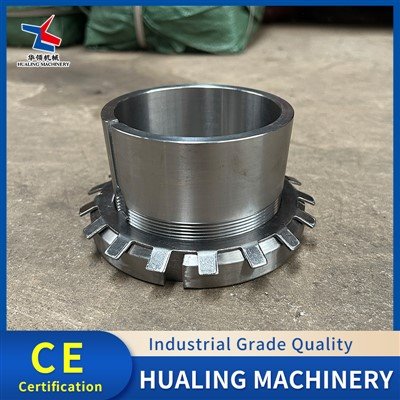
Here’s my storage playbook: If you can park your grinder in a covered shed, that’s the best option. But if you don’t have that, here’s what works: First, clean off all debris and moisture (the daily clean I mentioned earlier), then apply a light coat of wax to all exposed metal surfaces. Next, use a breathable tarp (not plastic—plastic traps moisture) and make sure it’s stretched tight, so water doesn’t pool on top. Prop the tarp up a bit at the corners so air can circulate—no more stagnant moisture under there.
If you’re in a cold climate, where snow sits on the ground for months, you can also install small rubber risers under the base rails to keep the metal off damp ground. Ground moisture seeps into the base rails even if you clean them, and that’s a top spot for rust on the grinder’s frame. We added risers to all our rental grinders in Minnesota, and the rust on base rails dropped by half last winter.
Now, a quick note from someone who’s in the tub grinder business: these methods work for any grinder, no matter the size—whether you’ve got a small 5-foot tub grinder for backyard debris, or a industrial 12-foot model for large-scale wood recycling. I’ve tested all these over the years, and none of them are “one size fits all” but you can mix and match to fit your routine. For example, if you run your grinder every day, you can skip the extra storage step (since it’s always vibrating), but if you run it once a week, don’t skip the weekly inspection.
The biggest mistake I see new grinder owners make is thinking “it’s just metal, it’ll be fine.” But a grinder that’s rusted out isn’t just a broken tool—it’s a lost investment, and unplanned downtime kills your business. A customer of mine last year had a contract to grind 100 tons of wood for a city project, and his grinder’s rotor was too rusted to operate. He had to rent a grinder for 2 weeks at $1,500 a day, and lost the contract’s bonus for finishing on time. All because he skipped a quarterly lubrication check.
If you’re in the market for a tub grinder, or already have one and want to tweak your rust routine, feel free to reach out to us for more tips. We’re not just here to sell grinders—we’re here to make sure your machine lasts as long as possible.
Tub Grinder References
ASM International. (2005). Corrosion Prevention of Metal Equipment in Outdoor Environments. ASM Handbook Volume 13B: Corrosion: Materials.
National Forest Products Association. (2018). Equipment Maintenance Guidelines for Wood Processing Machinery.
OSHA. (2020). Job Site Equipment Rust Prevention and Safety Protocols.
Society of Manufacturing Engineers. (2019). Industrial Coating Durability for Heavy Equipment.
Shandong Hualing Machine Manufacturing Co., Ltd.
As one of the most professional tub grinder manufacturers and suppliers in China, we also support customized service with low price. Please rest assured to buy discount tub grinder in stock here from our factory. If you have any enquiry about quotation, please feel free to email us.
Address: Industrial Park, Dagong Village, Changshan Town, Zouping City, Shandong Province
E-mail: hualing@sdhualing.com
WebSite: https://www.hualingmachine.com/
