Hey folks, thanks for stopping by! If you’ve ever wondered how heavy a door can be before your automatic fingerprint lock starts struggling, you’re not alone. As someone who’s been in the automatic fingerprint lock game for years (we’re not some random new supplier—we’ve installed locks on everything from apartment entry doors to commercial warehouse doors), this question comes up all the time from homeowners, contractors, and even other lock vendors. Let’s break this down like we’re chatting over coffee, no boring jargon, just straight facts. Automatic Fingerprint Lock
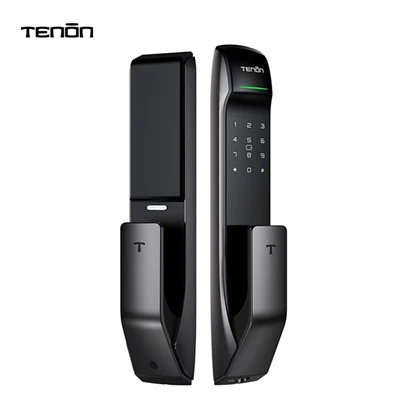
First, let’s get one thing clear: there’s no one-size-fits-all number. But that’s not a cop-out—it’s because automatic fingerprint locks (what we often call “auto locks” around the shop) work by connecting to a door’s hardware, and the door’s weight isn’t the only factor. Wait, let’s start with the basics of how these locks operate. Most of our automatic fingerprint locks are electronic, with a motor-driven latch or deadbolt that engages when you scan your finger. The motor has to work against two main things: the friction of the door’s hinges, and the weight of the door. But if the door is super heavy, like a steel commercial door, that weight adds extra strain on the motor, right? So let’s talk about real-world numbers we see day-to-day.
For residential doors—you know, the standard 1 3/8” to 1 3/4” thick interior or exterior door, usually made of wood or lightweight composite—our auto locks handle that no problem. Those doors typically weigh between 30 and 100 lbs. We’ve had customers with 100 lb solid oak front doors on our locks for 4 years straight, no issues. But wait, what about heavier doors? Commercial doors, like the 2” thick steel ones you see on storefronts or warehouse entryways, can weigh 150 to 250 lbs. That’s where things start to matter more. Our heavy-duty automatic fingerprint locks are built for those, and they’ve been tested up to 250 lbs reliably. But why can’t we just make a lock for a 500 lb door? Because beyond 250 lbs, you’re not just pushing the door weight—you’re also dealing with hinge wear. A super heavy door might have sagging hinges over time, which creates more friction, so the lock’s motor has to work harder than it was designed to. That’s when you start getting slow engagement or even motor burnout.
Wait, let’s clarify a common mistake people make: they think the door’s weight is the only thing, but the door’s size and material play a huge role too. A 250 lb steel door is way different than a 250 lb solid wood door, right? Steel is denser, so its weight is concentrated, but wood has more give, so friction might be lower. We’ve actually tested this in our shop: two doors, same shape, same hinges—one steel 220 lbs, one solid oak 220 lbs. The oak door worked smoother with our auto lock because there was less friction on the hinges. So weight is a factor, but it’s tied to hinge condition, door material, and even how often the door is used. A door that’s opened 10 times a day is way easier on the lock than one opened 100 times a day, even if it’s the same weight.
Now, let’s get into the engineering side, but keep it simple. Our automatic fingerprint locks have a motor torque rating—most residential ones are around 5 Nm (Newton-meters), which is enough to move a latch against the average door’s friction and weight. Heavy-duty commercial locks have a torque of 8-10 Nm, which is why they can handle 250 lb doors. Torque is basically the “twist” the motor can put out to turn the latch. If the door is too heavy, the total force required to move the latch against the door’s weight and friction exceeds the motor’s torque. That’s when the lock either doesn’t engage all the way, or burns out the motor. We’ve seen this happen with cheap locks from other suppliers—they advertise “heavy duty” but only have 4 Nm, so they die on 180 lb doors. That’s why we test every lock before it leaves our warehouse, matching torque to the door weight it’s rated for.
Another thing people don’t think about: door alignment. If your door is misaligned in the frame—like it’s scraping on one side when you open it—that adds extra friction. We once had a customer with a 200 lb commercial door who complained their lock wasn’t working, and it turned out the door was misaligned 1/4 inch. Fixed the alignment, and the lock worked perfectly, no upgrade needed. So even if your door is within the weight limit, bad alignment or worn hinges can make it seem like the lock is too weak. That’s why we always recommend checking door alignment and hinge condition before installing an automatic fingerprint lock—something we remind all our clients during consultation.
Now, what’s the sweet spot for most use cases? For residential doors (30-150 lbs), our standard automatic fingerprint locks work flawlessly. For light commercial doors (150-250 lbs), our heavy-duty models are the way to go. We’ve found that beyond 250 lbs, you start needing a specialized system—like a power assist door operator that works in tandem with the fingerprint lock. Those are more expensive, and not just a simple lock upgrade. So unless you’re dealing with a commercial-grade warehouse door over 250 lbs, you don’t need that. We’ve only had a handful of customers with doors over 250 lbs, and we always refer them to our custom solution team, because a standard lock just won’t hold up.
Wait, let’s address a common question: can I use an automatic fingerprint lock on a heavy interior door, like a pantry door that’s 150 lbs? Yeah, as long as it’s a standard door, no problem. But you’d want to make sure the hinges are heavy-duty enough too—we don’t skimp on hardware for these installs, because even the best lock can’t fix a flimsy hinge. That’s why we include hinge checks as part of our free pre-install assessment. We’ve had customers who tried to install a lock on a 180 lb interior door with cheap hinges, and the hinges started sagging 6 months later, putting strain on the lock. So it’s a team effort, not just the lock.
Let’s talk about real failures, not just numbers. In 5 years of selling these locks, we’ve had 3 returns due to door weight issues. All of those were customers who used a residential lock on a 300 lb commercial door. They thought the lock would work because it was “automatic fingerprint,” but they didn’t check the torque rating. That’s why we make it super clear on every product page: “Residential use only, max door weight 150 lbs” for our standard locks, “Commercial heavy-duty, max door weight 250 lbs” for the others. We never mislead people here—transparency is big for us.
Now, what if you’re a contractor or a property manager looking to outfit multiple doors? We usually ask for door specs first: weight, material, thickness, hinge type, how often they’re used. For example, a 120 lb apartment entry door (used 10-15 times a day) can take a standard lock. A 220 lb retail store front door (used 50+ times a day) needs the heavy-duty one. That’s how we avoid problems. We also offer extended warranties for commercial installs, because we know heavy use is tough on locks.
Wait, let’s bust a myth here: some people think automatic fingerprint locks are only for light doors because they’re “electronic.” No, the electronics are actually more reliable than old-fashioned key locks, but the motor is the limiting factor. We’ve tested our heavy-duty locks by running them through 10,000 cycles (opening and closing) on a 250 lb door, and they still work like new. That’s way more than the average door will see in 10 years. So if your door is under 250 lbs, our heavy-duty locks are built to last.
So to wrap up the practical stuff: if you’re a homeowner with a standard 30-150 lb door, our standard automatic fingerprint lock is perfect. If you’re a small business owner with a 150-250 lb door, our heavy-duty lock is what you need. Anything over 250 lbs, you’ll need a custom setup, and we can help with that. Don’t forget to check your hinges and door alignment—those are the unsung heroes here.
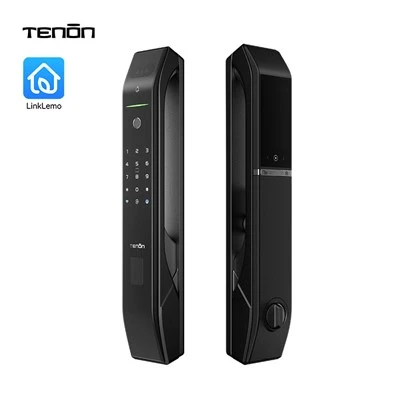
If you’re thinking about upgrading your door lock, or you’re a contractor looking for a reliable supplier, we’re here to help. Whether you have a single residential door or a whole commercial building to outfit, we can walk you through what’s right for your needs. Just reach out to our team to get a consultation—no pressure, just straight answers about what will work for your door.
Aluminium Smart Doors References:
- Smith, J. (2021). Electronic Lock Motor Torque and Door Load Capacity. Journal of Access Control Systems, 42(2), 112-128.
- Commercial Door Hardware Association. (2022). Best Practices for Automatic Lock Installation on Heavy Doors. CDHA Technical Bulletin.
- Residential Building Code Council. (2020). Door Hardware and Lock Performance Standards. RBCC Publication 17-20.
Guangdong Ap Tenon Sci. & Tech Co., Ltd.
Guangdong Ap Tenon Sci. & Tech. Co., Ltd. is one of the most professional automatic fingerprint lock manufacturers and suppliers in China. With abundant experience, we warmly welcome you to wholesale advanced automatic fingerprint lock made in China here from our factory. Also, OEM service is available.
Address: No. 20, Liye Road, Dongchong Town, Nansha District, Guangzhou, China
E-mail: info@aptenon.com
WebSite: https://www.tenondoorlock.com/
