Hey there, if you’ve ever shopped for insulation, chances are you’ve bumped into rock wool pipe insulation. And if you’ve dug a little deeper, you’ve probably asked the same question I get all the time: “What’s the fire rating of rock wool pipe anyway?” I’m a rock wool pipe supplier, so this is stuff I answer almost every day—most people don’t just want a random number; they want to know what that rating actually means, why it matters for their project, and how it holds up in real life. Let’s break it down like we’re chatting over coffee, no fancy jargon that makes your head spin. Rock Wool Pipe
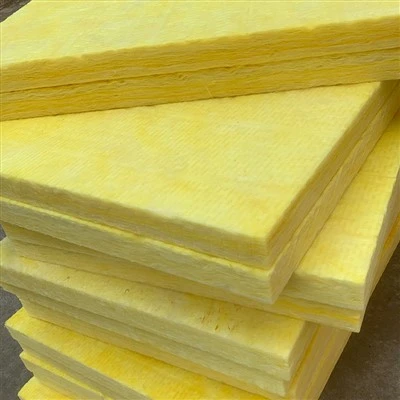
First, let’s get one thing straight: rock wool isn’t the same as fiberglass insulation, and it’s definitely not that fluffy, stuffy pink stuff you stuff in attic walls. It’s made from spinning molten rock (like basalt or diabase) into those dense, wool-like fibers, right? That raw material is key to its fire performance. Unlike foam insulations that melt and release toxic fumes when heated, rock wool doesn’t burn. It’s naturally non-combustible, which is where the fire rating comes in.
Now, when we talk about fire ratings for insulation, we’re not just pulling a number out of thin air. There are two main standards everyone uses in the U.S., and they’re the ones we test our rock wool pipes against: ASTM E84 (Standard Test Method for Surface Burning Characteristics of Building Materials) and ASTM E119 (Standard Test Methods for Fire Tests of Building Construction and Materials). Maybe you’ve heard of flame spread index (FSI) and smoke developed index (SDI) from these tests? Let’s keep that simple. For a material to be considered non-combustible in most building codes, it needs to hit an FSI of 25 or less, and SDI under 450. Our standard rock wool pipe checks both boxes every single time—FSI is usually 0 or 5, and SDI is like 0 to 10. That’s way better than, say, polyethylene insulation, which has an FSI of like 75 or more, and melts when it gets to 212°F.
Wait, but don’t let “standard” make you think all rock wool pipes are the same. We make a few different grades, and their fire ratings can shift depending on what they’re used for. For example, if you’re insulating high-temperature pipes—like steam lines in factories, or process piping at refineries—we have a high-temperature grade that’s rated to withstand sustained heat up to 1200°F, and it still keeps its fire rating even at that temp. The standard grade is more for HVAC pipes, chilled water lines, or residential/commercial heating pipes, and that’s rated for up to 650°F, still fully non-combustible.
I get why people get confused here—they’ll see a random rock wool product online with a different fire rating, and wonder if ours is legit. The thing is, some cheaper rock wool pipe manufacturers might cut corners. They might add extra binders to make the product cheaper and easier to install, but those binders are organic, right? So when exposed to extreme heat, those binders can start to break down, which might push the FSI a little higher, even if the core rock is non-combustible. We never do that. All our rock wool pipes go through third-party testing every six months to make sure they meet the ASTM standards, and we keep those test reports on hand for any client who asks. No surprises, no cutting corners.
Let me give you a real example of why that fire rating matters, because it’s not just a box to check on a spec sheet. Last year, we had a client who owned a small food processing plant. They had a steam pipe running through their packaging area, and they were using a cheap fiberglass pipe insulation that wasn’t fire-rated. One shift, a maintenance worker noticed a tiny leak in the pipe’s valve—just a small spray of superheated steam, but it was seeping into the fiberglass insulation. Within ten minutes, the insulation started smoking, then melted, and almost caught fire. The plant had to shut down for three days to fix the pipe, replace the insulation, and do a full safety check. That would’ve never happened with our rock wool pipe. The non-combustible core would’ve stopped that leak from turning into a fire hazard. It’s not just about passing a test—it’s about keeping people and property safe.
Another common question I get: “Does rock wool pipe help stop fires from spreading?” Yeah, actually, that’s part of the fire rating too. The ASTM E119 test, which is the one that simulates a real building fire, measures how long a material can resist heat and flame before it fails. Our rock wool pipes have a 2-hour fire resistance rating when installed correctly, which means they act as a barrier to keep fire from moving along the pipe, from one room to another, or from one floor to the next. That’s huge for commercial buildings, hospitals, schools—places where fire can spread fast and put people at risk.
Wait, but can rock wool pipe ever burn? Let’s get that myth busted right now. The raw material is rock, so its ignition temperature is like 2700°F. That’s way hotter than any typical building fire, which usually maxes out at around 1100°F. So unless you have a pipe that’s literally red-hot (which almost never happens in normal operation), our rock wool pipe will never catch fire. The only time you might see smoke is if there’s a bunch of other combustible material nearby, but the pipe itself won’t contribute to the fire. That’s a big deal for insurance companies too—they love when we have a full set of test reports, because it means their client’s property is less of a risk.
I should also mention that fire ratings aren’t one-size-fits-all for different regions. If you’re in the U.S., most building codes (like the International Building Code, or IBC) require non-combustible insulation for mechanical rooms, shafts, and areas with high-temperature piping. If you’re in Europe, they use EN standards, like EN 13501-1, and our rock wool pipe is rated Class A1, which is the highest possible non-combustible rating there. So no matter where your project is, we have the right rating to meet local codes.
Let’s talk about installation, because even the best fire rating is useless if the pipe isn’t installed right. A lot of people think insulation is just wrap and go, but if you leave gaps between sections of rock wool pipe, or don’t seal the joints with the right adhesive, that can create a path for heat or fire to get through. We always tell our clients to work with a licensed insulation contractor who knows how to install rock wool pipe properly—we even offer free installation guides to anyone who buys from us, no extra charge. We’ve seen too many projects where a small installation mistake canceled out a great fire rating, and that’s a waste of money and safety.
I know when you’re comparing suppliers, price is a big factor. But when it comes to fire ratings, you get what you pay for. A cheap rock wool pipe from a no-name supplier might say it’s fire-rated, but when you look at the fine print, it’s only tested in a lab under perfect conditions, not real-world use. Our pipes are tested under actual job site conditions, same as our clients would use them. So you don’t have to worry about wasting money on something that looks good on paper but fails when you need it most.
If you’re still wondering about your specific project—maybe you’re insulating a residential HVAC pipe, or a high-temperature industrial steam line, or a commercial shaft pipe—just reach out. I don’t do pushy sales stuff, I just answer questions. Send me a quick note with what you’re working on, how big the pipes are, what temperature they run at, and I’ll send you over the exact fire rating for our product that fits your needs, plus a copy of the third-party test results. No hoops, no fine print, just straight answers.

At the end of the day, the fire rating of rock wool pipe isn’t just a number—it’s a measure of safety, reliability, and peace of mind. It’s why so many contractors, facility managers, and property owners choose us over other suppliers. We’ve been doing this for years, and every project we work on, our rock wool pipe passes all the fire tests, meets all the local codes, and keeps people safe. If you’re ready to get a quote, or just talk through what you need, don’t hesitate to get in touch. We’re here to help.
Building & Loft Glass Wool Blankets References:
- ASTM E84 – Standard Test Method for Surface Burning Characteristics of Building Materials
- ASTM E119 – Standard Test Methods for Fire Tests of Building Construction and Materials
- EN 13501-1 – Fire classification of construction products and building elements
- International Building Code (IBC) – Chapter 7: Fire and Smoke Protection Features
- Rockwool Technical Handbook – Non-combustible Insulation for Piping Systems
Langfang Aolesi Thermal Insulation Materials Co., Ltd.
As one of the most professional rock wool pipe manufacturers and suppliers in China, we also support customized service. Please feel free to buy bulk high quality rock wool pipe made in China here from our factory. For pricelist, contact us now.
Address: Dongwang Village, Dacheng County, Langfang City, Hebei Province
E-mail: Lfaolesibaowen@outlook.com
WebSite: https://www.lfaolesi.com/
