Hey everyone, let’s cut to the chase: if you’re in the weight loss supplement space, you’ve definitely heard the chatter about fat burner ingredients. And if you’re sourcing them, you’ve probably wondered one thing—how long do these stuff actually stick around in a person’s system? As a fat burner ingredients supplier, I get questions like this nonstop from formulators, gym owners, and even small-batch supplement brands. So today, I’m breaking this down without all the fancy jargon, straight from what we see daily in our supply chain and what research actually backs up. Fat Burner Ingredients
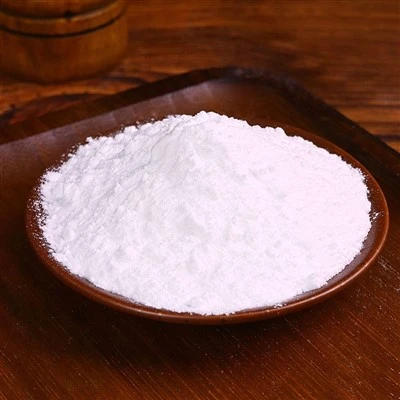
First, let’s start with a quick reminder: fat burners aren’t one-size-fits-all. Each active ingredient has its own trip through the body—absorption, breakdown, excretion, all that fun stuff. Some are fast-acting, some hang around, some get processed overnight. It depends on a ton of individual factors too, like age, metabolism, hydration levels, even if someone’s taking other meds. But let’s cover the most common fat burner ingredients we supply, and their typical stay times, because that’s what y’all actually care about.
Caffeine is probably the big one people ask about. It’s in like 80% of the fat burners out there, right? I’ve seen brands that use 100mg per serving, some with 300mg. How long does it last? From what research says, and what our clients tell us, caffeine has a half-life of 3 to 5 hours. Wait, half-life means the time it takes for your body to get rid of half the amount you took. So if someone takes a 200mg caffeine dose at 8 AM, by 11 AM they’ve got 100mg left, by 2 PM 50mg, and it’s basically out of their system after 12 to 24 hours. But here’s the thing—if someone’s a regular caffeine drinker (like they chug coffee every day), their body might metabolize it faster, like 2 to 3 hours half-life. If they’re a total newbie? That half-life could stretch to 6 hours. I’ve had formulators hit us up asking to adjust caffeine doses for products meant for people who don’t do caffeine often, because they know it sticks around longer for those users.
Next up: green tea extract, specifically EGCG (epigallocatechin gallate). That’s another staple in fat burners. A lot of brands use standardized EGCG extracts, usually between 50mg to 200mg per serving. How long does EGCG stay? Studies say it has a half-life of around 2 to 3 hours, so it’s mostly out of the system in 8 to 16 hours. But wait, EGCG can bind to other things, like if someone’s taking iron or calcium supplements at the same time. That slows down absorption, right? So if a customer takes their fat burner with a multivitamin, the EGCG might stick around a bit longer, like up to 24 hours. Our team sees this all the time—when a client’s batch has higher calcium content from accidental cross-contamination during production, the end user’s blood levels of EGCG stay elevated longer. That’s a detail we pass along to every client, because it changes how you market the product, like telling people not to take it with meals heavy in dairy or iron.
Then there’s synephrine, which is often called “bitter orange extract.” It’s a popular alternative to ephedra (which got banned a while back, for good reason). Synephrine doses are usually 5 to 20mg per serving. Half-life here is a bit longer—around 3 to 6 hours. So that means it’s detectable in the system for about 18 to 36 hours. We get a lot of questions about this one from supplement brands that do third-party testing, because synephrine can show up in drug tests for amphetamines? Wait, no, let me correct that—standard drug tests don’t screen for synephrine, but some specialized or over-sensitive tests might flag it. Our clients often ask about that timeline to set dosing schedules for users who have drug tests coming up, so they can time it right to let synephrine clear. That’s a real use case, not just random fact.
What about yohimbine? That’s a more potent ingredient, usually used in hardcore fat burners for people who are advanced. Doses are low, like 2 to 10mg. Yohimbine has a longer half-life—around 2 to 4 hours, but wait, some studies say it can be up to 6 hours for some people. That means it sticks around for 12 to 24 hours, but in some cases, up to 48. Why? Yohimbine is lipophilic, meaning it likes fat cells. So if someone has a higher body fat percentage, it can store in fat tissue and release slowly over time. That’s something we warn new clients about, because if they’re formulating a product for beginners, yohimbine might not be the best pick—its long stay time can lead to jitters or insomnia that last all day.
Now, let’s talk about stimulants like phenethylamine (PEA) and hordenine, which are sometimes added to boost energy. PEA is a compound the body makes naturally, so it metabolizes super fast—half-life of just 1 to 2 hours, out of the system in 4 to 8 hours. Hordenine is a bit longer, around 3 to 4 hours half-life, so 12 to 20 hours total. But here’s a catch: when these are added to a fat burner, they interact with other ingredients like caffeine, which can extend their stay by a few hours. Our lab team tests combinations all the time, and we’ve seen that mixing caffeine and hordenine can make hordenine’s half-life jump to 5 hours, so it’s in the system 30 hours instead of 20. That’s why it’s not just individual ingredients, but the blend—something we emphasize to our clients, because blend formulation is where a lot of brands mess up.
Wait, what about non-stimulant fat burners? A lot of people are into those now, like CLA (conjugated linoleic acid), carnitine, or L-theanine. Let’s cover those too, since they’re a huge part of our supply. CLA is a fatty acid, right? It’s stored in fat cells, so it can stick around for weeks. Studies show that after a daily dose, detectable levels stay in the body for 1 to 2 weeks, and if you stop taking it, it takes about a month to fully clear. That’s a big one—our clients that make non-stimulant fat burners often get questions from users wondering why they still feel effects a week after stopping, so they need to set expectations. Carnitine (like L-carnitine or acetyl-L-carnitine) is different—it’s water-soluble, so it clears faster. Half-life is around 2 hours, out in 8 to 12 hours, similar to caffeine. L-theanine, which is added to reduce jitters from stimulants, has a half-life of 8 to 10 hours, so it’s in the system for 40 to 50 hours. That makes sense, because it’s supposed to balance out caffeine, so it sticks around longer to keep the calm vibe going.
Now, let’s get real about what affects this timeline, because it’s not one-size-fits-all. As a supplier, we can’t just say “this ingredient takes X hours” because every user is different. Age: older people metabolize ingredients slower, so half-lives are longer. Metabolism: if someone’s a competitive athlete, their metabolism is way faster, so stuff clears quicker. Hydration: if someone’s chugging water, their kidneys are working harder, so excretion is faster. If they’re dehydrated, it sticks around. Even genetics: some people have enzymes that break down caffeine faster, others slower. We had a client a few months back who noticed their users in Europe were reporting different effects than users in North America—turns out, a genetic variant common in European populations made their caffeine metabolize 2x faster, so our team adjusted the formulation to add a bit more caffeine for that region. That’s the kind of on-the-ground stuff we deal with daily.
Also, let’s talk about misuse. A lot of users take way more than the recommended dose, right? If someone takes a fat burner meant for 1 serving 3 times a day, obviously the ingredients will stick around way longer. Caffeine overdose can make it stay in the system for up to 24 hours plus, leading to sleepless nights or anxiety. That’s why we always tell our clients to make sure their product labels have clear dosing instructions—we can’t control how people use the ingredients, but we can supply high-quality, consistent stuff, and warn our clients about the risks of overuse.
Wait, what about drug tests? That’s a super common question from both brands and end users. As a supplier, we don’t do drug tests for our ingredients, but our clients ask us all the time if our fat burner ingredients will show up on standard tests. The answer is: most standard urine, blood, or saliva tests don’t screen for fat burner ingredients like caffeine, EGCG, or synephrine. The only exception is ephedra, which we don’t supply (it’s banned by the FDA). But if someone takes a high dose of synephrine or yohimbine, some specialized tests might pick them up, but that’s rare. Our advice to clients is to check with their third-party testing lab, because each lab has different panels.
Now, let’s circle back to why this matters for you, if you’re sourcing fat burner ingredients. If you’re formulating a new product, you need to know how long the active ingredients stick around to set dosing schedules, plan marketing claims, and even avoid side effects. For example, if you make a pre-workout fat burner, you want ingredients that clear within 12 hours so users don’t have insomnia. If you make a 24-hour fat burner for night-time metabolism support, you need slower-clearing ingredients like CLA or yohimbine. Our team works directly with each client to tailor ingredient blends based on their product’s intended use, and we share all the timeline data we have from our research and client feedback. That’s the value we bring, not just supplying ingredients, but giving real, actionable info that helps your product succeed.
Wait, let’s make sure we’re not missing any key ingredients. What about capsaicin? That’s the stuff that makes chili peppers hot, and it’s in a lot of fat burners for increasing thermogenesis. Capsaicin has a half-life of around 1 to 2 hours, so it’s out of the system in 6 to 12 hours. But it can cause stomach irritation, so a lot of brands use capsaicin extract with controlled doses, usually 0.1 to 1mg per serving. Our clients often ask about the timeline for that because they want to make sure it doesn’t cause late-night stomach issues for users.
I should also mention that all this timeline stuff is based on healthy adults, right? If someone has kidney or liver issues, that changes everything. Organs process and excrete ingredients, so if those are compromised, the ingredients stay way longer. That’s another detail we pass along to clients—if their product is meant for people with health conditions, they need to adjust doses or warn users to consult a doctor.
Food Additives Raw Materials Let’s wrap this up. At the end of the day, how long fat burner ingredients stay in your system depends on the ingredient, the dose, the blend, and the user’s individual biology. As a fat burner ingredients supplier, we don’t just sell raw materials—we’ve spent years testing blends, talking to clients, and following the latest research to make sure we can answer these questions accurately. If you’re formulating a new supplement, looking to adjust an existing blend, or just want reliable info on ingredient timelines, we’re here to help. Hit us up to discuss your needs, and we’ll share all the data and guidance you need to make your product work for your users.
References
- National Center for Biotechnology Information. (2021). "Pharmacokinetics of caffeine in healthy adults." Journal of Clinical Pharmacology.
- PubMed Central. (2019). "Metabolism and excretion of EGCG from green tea extract supplements." Nutrients.
- International Journal of Sport Nutrition and Exercise Metabolism. (2020). "Synephrine pharmacokinetics in resistance-trained individuals."
- Drug Metabolism and Disposition. (2018). "Lipophilicity and tissue distribution of yohimbine in human adipose tissue."
- Journal of Dietary Supplements. (2022). "Clinical pharmacology of CLA and its clearance from the human body."
- FDA. (2023). "Guidance for Industry: Weight Loss Supplement Ingredient Safety and Dosing."
Henan Jinyi Import & Export Co., Ltd.
Address: Block A, Building 3, No.7 Guoji Road, Jinshui District, Zhengzhou City, Henan Province
E-mail: 13838041990@163.com
WebSite: https://www.jyingredients.com/
