Hey there, Refrigerated Truck Body
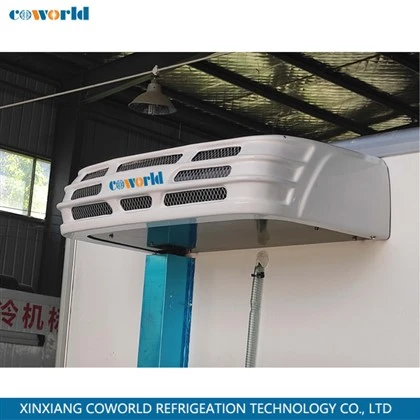
If you’ve ever driven behind a refrigerated truck hauling ice cream, fresh produce, or temperature-sensitive meds, you might’ve thought, “That thing’s just a big insulated box on wheels—what’s the big deal with maintenance?” Spoiler: I used to think that too, back when I was a new sales rep at this refrigerated truck body supplier I’ve been with for 7 years. Let me tell you, I’ve learned the hard way that skipping regular upkeep on these units isn’t just a “little hassle”—it’s a quick path to lost cargo, angry customers, and even big safety risks.
Let’s start with the basics, no jargon, I promise. A refrigerated truck body isn’t just metal and foam. It’s a system: the insulated panels that keep cold in, the evaporator unit that blows cool air, the seals around doors that stop warm air from sneaking in, and the wiring that keeps everything running. Every part works together to hold a specific temp—say, 34°F for leafy greens, or -20°F for frozen pizza. If one tiny part slips, the whole system goes off.
Last year, we had a regular client come to us panicking. He’s a produce distributor out of Dallas, runs 12 reefer trucks, and skipped his annual maintenance “to save cash.” One night, a truck hauling 8,000 pounds of strawberries got delayed on I-35 in a heatwave. By the time he realized his fridge unit’s evaporator coils were covered in frost (something a quick check would’ve caught), the strawberries were already spoiled. He lost over $12k in cargo, plus a big contract with a grocery chain that refused to work with him after that. That’s when I really got it: maintenance isn’t a “nice-to-have”—it’s a must for anyone moving temp-sensitive goods.
So what actually needs regular maintenance, anyway? Let’s break it down by what our techs at the shop actually check every time we service a unit (no, it’s not just plugging in a thermometer). First, the seals—those rubber strips around the doors. I can’t tell you how many times we’ve pulled a seal that’s cracked, or dirty, and watched a temp log jump 5 degrees in 10 minutes. Warm air seeps through tiny gaps like that, forcing the fridge unit to work way harder than it should (and burning out parts faster). Our techs usually wipe seals down with a gentle soap every 3 months, check for cracks, and replace them if they’re thinner than a dime. Easy stuff, but so many fleet owners skip it.
Next up: the condenser and evaporator coils. These are the “lungs” of the fridge unit. Condensers are on the outside, usually under the truck or behind the cab, and they pick up dust, dirt, road grime, and even leaves on long hauls. Evaporators are inside the body, blowing that cool air around. If they get caked in gunk, air can’t flow—so the unit runs nonstop, overheats, and eventually dies. Last quarter, we had a frozen food client whose fridge conked out mid-haul to a grocery store in Houston. The coils were so covered in highway dust, the unit couldn’t circulate air at all. We got a technician out there within 2 hours, but they still lost 2 pallets of ice cream because the temp climbed too high. If he’d just had his coils cleaned every 6 months, that wouldn’t have happened.
Then there’s the refrigeration unit itself—like the compressor, which is the heart of the whole system. Oil levels, refrigerant pressure, electrical connections: all of these need to be checked at least once a quarter. Think of it like changing the oil in your personal car, but way more important. A faulty compressor won’t just leave you stuck—it’ll ruin every load on the truck. We had a local meat supplier come to us last winter with a compressor that failed because he didn’t check the refrigerant levels. The whole unit died on a run to Austin, and 10 pallets of fresh beef were spoiled. He had to pay the rancher for the loss, plus rush-order a replacement unit that cost way more than if he’d just done regular checks.
Wait, and let’s not forget the insulation in the panels. Over time, the adhesive between the metal and the foam can break down, especially if the truck’s parked in extreme heat or cold all the time. You might not notice a small gap at first, but over a year, that’s constant warm air getting in. We recently did a survey of 50 clients who skipped maintenance for 2+ years—their insulation was 30% less effective than units that got yearly checks. That means their fridge units are using 25% more fuel, too—so they’re wasting money on gas, not just repairs.
But here’s the thing I want every fleet owner or owner-operator to know: maintenance isn’t just about fixing things when they break. It’s about saving money. Let’s do a quick math check. The average annual maintenance for a refrigerated truck body is around $1,500-$2,000. A single spoiled load can cost 10x that, easy. And if your unit dies on a road trip, you might have to pay for a replacement fridge rental, or overnight storage for your cargo, or even a last-minute delivery fee—all of which add up fast.
I talk to so many truck drivers and fleet managers who say, “I don’t have time for maintenance. I need to make deliveries.” But here’s the secret: 1 hour of scheduled checks every 3 months is way less time than waiting for a technician to come fix a broken unit on the side of the road at 2 a.m. in the middle of a thunderstorm. We’ve had techs work through the night to get a delivery truck back on the road, but it’s way more stressful than a quick, scheduled service.
Another big point: regulatory stuff. A lot of countries and states have rules about refrigerated cargo temp logs, right? If your unit isn’t working right, your temp readings will be off, and you could get fined, or even have your cargo seized. Last year, a produce hauler in Arizona got a $5,000 fine because his temp log showed inconsistent readings—turns out his door seal was bad, and a routine maintenance check would’ve caught that. It’s not just about your cargo anymore; it’s about staying on the right side of the law.
Now, let’s get real about how to actually do maintenance right. It doesn’t have to be complicated. First, keep a log book (or even a notes app on your phone) for every truck: when you did a check, what you found, when you serviced the unit. Our team also puts together a customizable maintenance schedule for every client, based on how often they use their truck, what they haul, and where they drive. A truck that hauls frozen food cross-country every week needs more frequent checks than one that only hails flowers locally once a month.
Also, don’t skip the small stuff. Things like checking the drain holes in the fridge unit—water can build up and cause rust, which eats at the panels. Or testing the door locks to make sure they seal tight. We once had a client whose door lock was broken, so when he hit a bump on the highway, the door popped open a little. Warm air poured in, and his whole load of dairy was ruined. That’s a $8k loss over a $20 lock. Insane, right?
I know some of you are thinking, “I can do this myself. I don’t need to pay a shop.” And sure, basic checks (seals, drain holes, temp log tests) are easy to do on your own. But for the more technical stuff—like checking refrigerant pressure, compressor oil, or cleaning the evaporator coils inside the body—you need a trained tech. Messing up refrigerant levels can actually damage the unit beyond repair, and that’s a way bigger bill than paying for a professional service.
At our company, we work with all kinds of clients: small owner-operators with one truck, big fleets with 50+ units, food distributors, medical companies hauling vaccines, even craft breweries moving beer. We’ve seen what happens when you skip maintenance, and we’ve seen what happens when you keep up with it. The clients that have a regular maintenance plan with us almost never have a breakdown on the road, and their cargo loss rates are way lower. One of our long-term clients, a frozen dessert maker, has only had one small issue in 6 years—because they get a full service every 4 months, and do daily temp checks on their own.
Look, I get it. Running a trucking business is tough. Every minute you spend not on the road is money you’re not making. But regular maintenance on your refrigerated truck body isn’t a waste of time—it’s an investment. It keeps your cargo safe, avoids expensive breakdowns, keeps you on the right side of regulations, and even saves you on fuel costs.
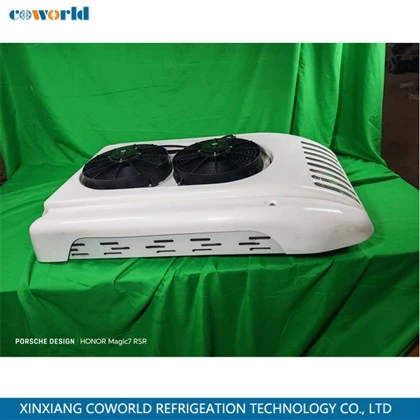
If you’re reading this and thinking, “I need to get my trucks checked,” or you’re shopping for a new refrigerated truck body and want to make sure it’s built to last with maintenance in mind, don’t hesitate to reach out. Our team is here to walk you through the best maintenance plan for your fleet, answer any questions you have, and help you avoid the headaches I’ve talked about today. We don’t do pushy sales—we’ve been in this industry long enough to know that the best way to build trust is to give you real, no-BS advice that works for your business.
Refrigerated Truck Body Don’t wait until your next load is at risk. A little maintenance now can save you a ton later. Hit us up to talk through your needs, and let’s make sure your refrigerated truck body runs smooth, keeps your cargo safe, and keeps you on the road.
References
- U.S. Department of Transportation Federal Motor Carrier Safety Administration. (2022). Refrigerated Cargo Transportation Safety Guidelines.
- North American Council for Freight Efficiency. (2021). Reefer Unit Maintenance Best Practices for Reducing Fuel Use and Downtime.
- Food and Drug Administration. (2023). Temperature Control Requirements for Food in Transit.
- Technology and Maintenance Council. (2022). Recommended Practice for Refrigerated Truck Body Maintenance.
Xinxiang Coworld Refrigeration Technology Co., Ltd.
As one of the most professional refrigerated truck body manufacturers and suppliers in China, our products have good reputation in the market. We warmly welcome you to buy cheap refrigerated truck body for sale here from our factory. If you have any enquiry about cooperation, please feel free to email us.
Address: B103 ROOM, GT CITY, NO.199 ZHENGZHONG ROAD, HIGH TECH ZONE, XINXIANG CITY, HENAN PROVINCE, CHINA
E-mail: coworldfrio@hotmail.com
WebSite: https://www.coworldthermo.com/
