Hey there! I’m a cattle supplier, and I’ve been in this business for quite a while. Managing a cattle herd effectively is no walk in the park, but with the right strategies, it can be a rewarding experience. In this blog, I’m gonna share some tips on how to keep your cattle healthy, productive, and profitable. Cattle
1. Health and Nutrition
First things first, the health of your cattle is crucial. A sick herd can lead to big losses, so I always focus on prevention. I make sure my cows get regular check – ups from a vet. You know, just like we go to the doctor for our annual physicals, cattle need their health assessments too.
Vaccinations are a big deal. I follow a strict vaccination schedule to protect my herd from common diseases like BVD (Bovine Virus Diarrhea), IBR (Infectious Bovine Rhinotracheitis), and blackleg. These diseases can spread like wildfire in a herd, and once they do, it’s a real headache to control.
When it comes to nutrition, it’s not just about throwing some hay in the pen. Cattle have different nutritional needs depending on their age, weight, and stage of production. For example, lactating cows need more protein and energy than dry cows. I work with a nutritionist to formulate a balanced diet for my herd. This usually includes a mix of high – quality hay, grains like corn and barley, and mineral supplements.
I also make sure there’s always clean water available. Dehydration can lead to a whole host of problems, so I check the water troughs multiple times a day and keep them clean.
2. Housing and Space
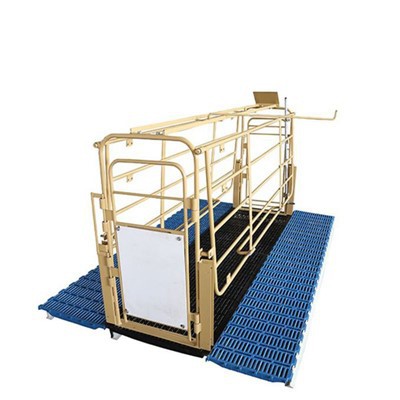
Good housing is essential for a happy and healthy herd. My cattle have access to well – ventilated barns. Ventilation helps prevent the build – up of ammonia and other harmful gases, which can cause respiratory problems in cows. The barns also protect the animals from extreme weather conditions, whether it’s scorching heat in the summer or freezing cold in the winter.
Space is another important factor. Overcrowding can stress the animals out and increase the risk of disease transmission. I follow the industry standards for space per cow. In the barn, each cow has enough room to lie down, stand up, and move around comfortably. In the pasture, I manage the grazing areas carefully to make sure the cattle have enough grass to eat without overgrazing.
3. Breeding Management
Breeding is where you really start to shape the future of your herd. I’m very selective when it comes to choosing the bulls for mating. I look at their genetic traits, such as growth rate, meat quality, and disease resistance. A good bull can pass on these desirable traits to its offspring, which can lead to a more profitable herd in the long run.
I also keep a close eye on the cows’ reproductive cycles. Knowing when a cow is in heat is crucial for successful breeding. There are different ways to detect heat, like observing the cows’ behavior (they may become more restless and mount other cows) or using heat detection patches. Once a cow is bred, I monitor her pregnancy closely to make sure everything goes smoothly.
4. Record – Keeping
I can’t stress enough how important record – keeping is in cattle management. I keep detailed records of each cow in my herd. This includes their birth date, breed, weight, vaccination history, breeding dates, and any health issues they’ve had. These records help me make informed decisions about the herd.
For example, if a particular cow has a history of calving difficulties, I can be extra prepared when she’s due to give birth again. Records also come in handy when it’s time to sell cattle. Buyers want to know the history of the animals they’re purchasing, and having accurate records can increase the value of my herd.
5. Herd Monitoring
Regular monitoring of the herd is a must. I walk through the barns and pastures every day to check on the cows. I look for any signs of illness, like lethargy, loss of appetite, or abnormal behavior. Early detection of problems is key to treating them effectively and preventing the spread of disease.
I also use technology to help me with monitoring. There are sensors available that can track things like the cows’ body temperature, activity level, and milk production. These sensors send data to my phone or computer, allowing me to keep an eye on the herd even when I’m not on the farm.
6. Marketing and Sales
As a cattle supplier, marketing and sales are an important part of the business. I build relationships with local meat processors, farmers’ markets, and restaurants. Word – of – mouth is a powerful marketing tool in this industry, so I always make sure to provide high – quality cattle and excellent customer service.
I also keep an eye on market prices. Cattle prices can fluctuate depending on supply and demand, so I try to time my sales to get the best price for my animals. I attend industry events and stay updated on market trends to make informed decisions about when to sell.
Encouraging Contact for Purchase
Cattle Hay Feeders If you’re in the market for high – quality cattle, I’d love to talk to you. Whether you’re a small – scale farmer looking to start your own herd or a large meat processor in need of a reliable supply, I’ve got the cattle you’re looking for. I’m confident in the health and quality of my herd, and I’m committed to providing the best product and service. Just reach out, and we can discuss your specific needs and how I can meet them.
References
- “The Cattle Health Handbook” by John Doe.
- “Cattle Nutrition for Dummies” by Jane Smith.
- Various publications from the local agricultural extension office.
Hebei Honde Industrial Trade Imp & Exp Co., Ltd.
Address: Room 1904, Yintai International Building, No.36 Guang’an Street, Shijiazhuang, Hebei, China
E-mail: Helen@hbhonde.com
WebSite: https://www.hondelivestocksupply.com/
