Hey everyone, I’m [name, you can just go with “your go-to wire mesh fence guy” since it’s more relatable], and I spend my days fielding questions from folks who need fences—farmers, property managers, construction crew leads, even small business owners looking to secure their storage yards. One question pops up more than you’d think, especially for people who’ve dealt with flimsy plastic mesh or rigid concrete barriers: “What’s the flexibility of a wire mesh fence, anyway?” It’s not just a random curiosity, either. If you’re shopping for a fence, you don’t want something that’ll snap in a windstorm, or bend so easily that a deer or a stray dog can push through like it’s made of straw. Today, I’m breaking this down like I would over a coffee at the trade show—no jargon, just real-world stuff, plus what it means for you as someone looking to actually buy one. Wire Mesh Fence
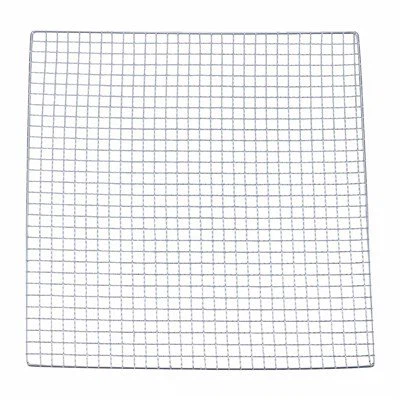
First, let’s get one thing straight: when we talk about wire mesh fence flexibility, we’re not talking about a foldable beach chair or a sheet of paper you crumple up. This is metal we’re dealing with—steel, aluminum, maybe galvanized wire (more on that later)—so flexibility here is a specific, measurable thing. It’s the balance between “bends when it needs to” and “doesn’t collapse when it matters.” Think of it like a basketball player’s joints: they need to be loose enough to move, but not so loose that they can’t hold up during a game. Same with a fence.
Let’s start with what actually determines that flexibility. If you’ve ever held two different mesh panels, you’ve probably noticed a difference right away—one might feel stiff as a board, another gives a little when you push on it. That’s all down to three big factors: wire gauge, mesh type, and coating (if it has one). Wire gauge is the size of the individual wires, right? Lower gauge numbers mean thicker wires. So a 6-gauge wire is way thicker than a 12-gauge. Thicker wires equal less flexibility—makes sense, a thick steel beam doesn’t bend easy, a thin coat hanger does. But it’s not just the wire thickness; how the wires are woven matters too. There’s welded wire mesh, where wires are fused at every intersection, and chain-link mesh, where the wires are looped and linked together. Welded mesh is stiffer because those welds lock the wires in place, whereas chain-link has that give because each link can pivot a little. Then there’s the coating—galvanized steel, vinyl coated, even aluminum. The coating doesn’t usually add much to the flexibility, but it can make a small difference if it’s a thick vinyl layer; mostly, it protects the wire so it doesn’t rust and get brittle over time, which would kill its flexibility later on.
Now, why does this flexibility actually matter for your day-to-day use? Let’s run through a few common scenarios. Take a farm, for example. You might need a fence to keep cattle in, or to section off a pasture that has uneven ground. Uneven ground isn’t perfectly flat, so if your fence is super rigid, you’re going to have all these gaps under the bottom rail where the ground dips—perfect for a calf to slip through. A mesh fence with the right amount of flexibility can actually contour to slight bumps and dips in the ground. That means less time spent trimming the fence to fit, less time chasing escaped animals. But wait—flexibility here can’t be too much. Cattle are heavy, and they’ll lean on a fence if they’re bored, or rub against it. If your mesh is way too bendy (like using a too-thin 16-gauge wire for cattle), they’ll push right through it, or bend the whole panel out of shape so you have to replace it in a month. That’s the sweet spot: flexible enough to follow uneven ground, but rigid enough to hold up to normal wear.
Another scenario: residential backyards. A lot of homeowners use wire mesh fences for pet enclosures, or to keep small critters like raccoons out of vegetable gardens. For a dog, say a golden retriever that loves to jump and lean, you need a fence that can take a little impact. If you have a super stiff welded mesh, and your dog runs into it at full speed, it might not give, but the impact could loosen the posts it’s attached to. A mesh with a bit more flexibility absorbs that impact, so the posts stay tight, and the fence doesn’t crack where the wires are welded. Same with deer: a deer might try to push through a fence if it’s hungry, and a little flexibility can make the fence harder for them to break, because they can’t just apply steady pressure—they have to deal with the give, which throws them off.
Then there’s construction sites. Those temporary wire mesh fences, often called crowd control fences or site hoardings, need flexibility for transport. You can’t roll up a rigid concrete barrier to carry it to a new site, but mesh panels are light enough to stack or roll, which saves time and money. But when you set them up, they need to be stiff enough to stay upright during a wind gust or a crowd of workers leaning on them. So again, it’s that balance. I’ve seen guys on a job site try to use way too bendy mesh for a temporary fence, and then come back the next morning to find half of it blown over by a 20 mph wind. That’s a wasted morning, so picking the right flexibility saves you cash and headache.
Wait, let’s clear up a common myth I hear all the time: “Thicker wire = more flexible?” No, that’s backwards. Thicker wire is less flexible. But there’s a myth that if a fence is flexible, it’s not strong. That’s not true, either. Flexibility here is different from structural strength. Strength is how much weight or force a fence can take before it breaks. Flexibility is how much it can bend before it stays bent, or breaks. A really strong wire mesh can have some flexibility, which is actually better because it absorbs impacts better. It’s like a tree: a thin twig is flexible, but breaks easily; a thick oak branch is strong, but snaps in a big storm; a whole tree trunk, if it’s flexible (well, not really a trunk, but the branches), can sway in the wind without breaking. That’s exactly what we’re going for with fence flexibility—sway, not snap.
Now, how do we measure this stuff, in case you’re curious about the science part? I keep a small test rig at my warehouse, just two posts with a section of mesh clamped between them, and a weight scale on the end. We measure how much the mesh bends when we apply a specific force—like 50 pounds, which is about how much a medium dog might lean on it. For welded mesh, a typical 12-gauge panel (common for residential use) might bend 3-4 inches with 50 pounds of force. A 10-gauge welded mesh, which is thicker, only bends 1-2 inches, so it’s stiffer. For chain-link, same gauge wire, it might bend 5-6 inches because the links pivot, so it’s more flexible. That’s why chain-link is often used for things like tennis courts where you want a little give, but it’s still strong enough to stop a tennis ball.
Also, don’t forget about long-term flexibility. That’s a big one. A lot of people buy a cheap mesh fence, but a year later it’s brittle and won’t bend at all—worse, it snaps if you touch it. Why? Because of rust. If the wire isn’t galvanized properly, moisture gets to it, the steel oxidizes, and that rust makes the wire shrink and get brittle. So even if it was flexible when you bought it, after a few years, it becomes rigid and weak. The same goes for vinyl coating: if it’s a thin, cheap vinyl, it’ll peel off, exposing the wire to moisture, and the wire will rust. A high-quality galvanized coating (like hot-dip galvanized, which is the kind we use) forms a layer of zinc that protects the steel, so the wire stays flexible for 10, 15, even 20 years. That’s why when I sell a fence, I always tell customers to ask about the coating—because flexibility that fades is worthless.
Let me throw in a real example from last month, to make this concrete (pun intended). A guy who has a small alpaca farm called me. He’d bought a cheap welded mesh fence from a big box store, 12-gauge, but it started breaking after 6 months. The problem? The wire wasn’t galvanized, so his pasture’s humidity made it rust. He told me his alpacas would occasionally rub against the fence, and the rusty wire was so brittle that a small rub made a whole section snap. We sold him 10-gauge hot-dip galvanized welded mesh—stiffer than the cheap stuff, but still enough flexibility to contour his sloped pasture. A month later, he texted me a photo: the fence was holding, no breaks, and he even said his alpacas stopped trying to lean on it because it didn’t give like the old flimsy one did. That’s exactly the balance we’re talking about.
Another example: a city park manager I work with. They needed a fence for a new dog run. They had to keep it safe for dogs, but it had to be flexible enough that if a dog ran into it, it wouldn’t hurt the dog, and it wouldn’t break. We recommended a 11-gauge chain-link mesh with a vinyl coating—more flexible than welded, so it absorbs impact, but the vinyl coating keeps it from rusting. They installed it, and so far, no issues. They even told me a dog ran full speed into it last week, and the fence just bent a little, then popped back into place—no damage, no injured dog. That’s the sweet spot of flexibility right there.
So, if you’re out there shopping for a wire mesh fence, what do you need to look for, specifically related to flexibility? First, match the mesh type to your use. If you need something for temporary construction, you want a bit more flexibility so it’s easy to transport and set up, but still rigid enough for the job. If you need it for a pasture, go with a welded mesh that has just enough give to fit uneven ground, not a super bendy chain-link (unless you’re using it for goats, which are escape artists—goats can push through chain-link that’s too flexible, by the way). Second, check the wire gauge and coating. Thicker gauge means less flexibility, but make sure it’s galvanized so it stays flexible long-term. Third, test it if you can—bend a small section (gently, don’t break it) to get a feel for how much give it has. If you can barely bend it with your hands, it’s probably too stiff for uneven ground; if it bends too easily, it’s too weak.
At the end of the day, flexibility isn’t a “good” or “bad” thing—it’s a feature that needs to fit what you’re using the fence for. I’ve seen customers make the mistake of buying a super stiff fence because they think it’s stronger, only to end up with gaps under the fence where animals can slip through, or posts bending because the fence doesn’t give when it’s pushed. I’ve also seen people buy super bendy mesh, only to have it collapse in a windstorm or get pushed through by their livestock. That’s why I always take the time to ask customers about their space, what they’re fencing, and what kind of conditions they’re dealing with—so I can point them to the right flexibility.

If you’re in the market for a wire mesh fence, whether it’s for a farm, backyard, construction site, or commercial property, don’t second-guess the flexibility. It’s one of the most important features, because it affects how long the fence lasts, how well it works for your needs, and how much maintenance you have to do down the line. I’m here to answer any questions you have—no sales pitch, just straight talk. Shoot me a message, and we can work out exactly what kind of fence (and what kind of flexibility) will fit your space.
Barbecue Grill Mesh References:
- American Society for Testing and Materials (ASTM) Standard A123/A123M-20: Standard Specification for Zinc (Hot-Dip Galvanized) Coatings on Iron and Steel Products
- Wire Mesh Manufacturers Association (WMMA) Technical Guide: Flexible Properties of Welded and Chain-Link Wire Mesh Fences
- USDA Agricultural Research Service (ARS) Publication: Fence Design for Livestock Containment on Uneven Terrain
- International Code Council (ICC) Standards for Temporary Construction Fencing: Structural Flexibility Requirements for Wind LoadsReferences:
- American Society for Testing and Materials (ASTM) Standard A123/A123M-20: Standard Specification for Zinc (Hot-Dip Galvanized) Coatings on Iron and Steel Products
- Wire Mesh Manufacturers Association (WMMA) Technical Guide: Flexible Properties of Welded and Chain-Link Wire Mesh Fences
- USDA Agricultural Research Service (ARS) Publication: Fence Design for Livestock Containment on Uneven Terrain
- International Code Council (ICC) Standards for Temporary Construction Fencing: Structural Flexibility Requirements for Wind Loads
Anping Chenran Wire Mesh Co., Ltd.
We’re well-known as one of the leading wire mesh fence manufacturers and suppliers in China. With a professional production team, we are able to meet the needs of the majority of our customers. Please rest assured to buy high quality wire mesh fence in stock here from our factory.
Address: 500 Meters North of Guozhuang Village, Daziwen Town, Anping County, Hengshui City, Hebei, China
E-mail: sales@chenranwiremesh.com
WebSite: https://www.chenranwiremesh.com/
