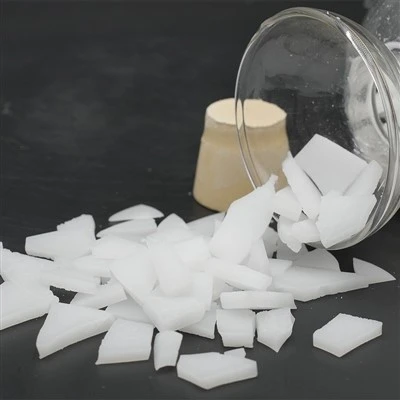
As a TPU supplier deeply involved in the materials industry, I’ve been constantly exploring the potential applications of Thermoplastic Polyurethane (TPU) in various cutting – edge fields. One of the most exciting areas where I see great promise is virtual reality (VR) and augmented reality (AR) applications. In this blog, I’ll delve into the question of whether TPU can be used for VR and AR applications, examining the properties of TPU, the requirements of VR/AR technologies, and the potential benefits and challenges. TPU
Properties of TPU
TPU is a versatile polymer that combines the characteristics of rubber and plastic. It has excellent elasticity, high abrasion resistance, good chemical resistance, and can be easily processed. These properties make it suitable for a wide range of applications.
Elasticity is one of the most prominent features of TPU. It can stretch and return to its original shape without significant deformation. This is crucial for applications where the material needs to conform to different shapes or be repeatedly flexed. For example, in VR headsets, the straps that hold the device on the user’s head need to be elastic enough to fit comfortably on different head sizes while maintaining a secure grip.
Abrasion resistance is another important property. In VR/AR devices, there are often parts that come into contact with other surfaces or are subjected to friction during normal use. TPU’s high abrasion resistance ensures that these parts will not wear out quickly, thus extending the lifespan of the device.
In terms of chemical resistance, TPU can withstand exposure to a variety of chemicals, including oils, greases, and solvents. This is beneficial because in real – world environments, VR/AR devices may be exposed to these substances, and TPU can protect the internal components from chemical damage.
Requirements of VR and AR Applications
VR and AR technologies have unique requirements for the materials used in their devices. Comfort is a top priority, especially for VR headsets that are worn on the head for extended periods. The materials used in the headrest, straps, and other contact areas need to be soft and non – irritating to the skin.
Weight is also a critical factor. Heavy devices can cause discomfort and fatigue for users, reducing the overall experience. Therefore, lightweight materials are highly desirable. In addition, flexibility is necessary for parts that need to adapt to the user’s movements, such as the cables and connectors in VR/AR controllers.
Durability is essential as well. VR/AR devices are often used in active environments and may be subject to drops, impacts, and general wear and tear. The materials need to be able to withstand these conditions without breaking or malfunctioning.
Potential Benefits of Using TPU in VR and AR
Comfort
TPU can be formulated to have a soft and smooth texture, making it ideal for contact areas in VR/AR devices. For example, the padding inside a VR headset made of TPU can provide a comfortable fit against the user’s face, reducing pressure points. The elasticity of TPU also allows the straps to adjust to different head shapes and sizes, ensuring a snug yet comfortable fit.
Lightweight
Compared to some traditional materials, TPU is relatively lightweight. This can help to reduce the overall weight of VR/AR devices, making them more comfortable to wear for longer periods. For instance, using TPU in the construction of VR controllers can make them easier to handle, reducing user fatigue.
Flexibility
The flexibility of TPU makes it suitable for use in cables and connectors. In VR/AR systems, these components need to be able to bend and twist without breaking. TPU cables can provide reliable signal transmission while being highly flexible, allowing for more natural and unrestricted user movements.
Durability
As mentioned earlier, TPU’s high abrasion resistance and ability to withstand impacts make it a durable choice for VR/AR devices. It can protect the internal components from damage, ensuring the long – term performance of the device. For example, the outer casing of a VR controller made of TPU can resist scratches and minor impacts, maintaining its appearance and functionality.
Challenges of Using TPU in VR and AR
While TPU has many advantages, there are also some challenges to using it in VR/AR applications. One of the main challenges is cost. TPU can be more expensive than some other materials, which may affect the overall cost of the VR/AR device. Manufacturers need to balance the benefits of using TPU with the cost – effectiveness of the product.
Another challenge is heat dissipation. In VR/AR devices, there are often components that generate heat, such as processors and displays. TPU is not the best conductor of heat, and if not properly managed, heat buildup can affect the performance of the device and the comfort of the user. Therefore, additional heat dissipation mechanisms may need to be incorporated when using TPU in these devices.
Case Studies and Examples
There are already some examples of TPU being used in VR/AR products. Some VR headset manufacturers have started using TPU for the straps and padding. These components provide a comfortable and durable solution for users. In addition, some VR controllers have TPU – based casings, which offer good grip and protection against wear and tear.
Some AR smart glasses also use TPU in their flexible frames. The flexibility of TPU allows the glasses to adapt to different face shapes, providing a more comfortable fit for users.
Future Outlook
The future looks promising for the use of TPU in VR and AR applications. As the VR/AR market continues to grow, there will be an increasing demand for high – performance materials that can meet the evolving requirements of these technologies. TPU suppliers like me are constantly working on improving the properties of TPU, such as reducing its cost, enhancing its heat dissipation capabilities, and developing new formulations with better performance.
In addition, as the technology advances, new applications of TPU in VR/AR may emerge. For example, TPU could be used in haptic feedback devices to provide a more realistic and immersive experience.
Conclusion
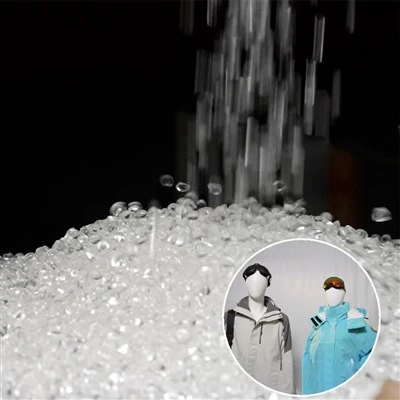
In conclusion, TPU has significant potential for use in VR and AR applications. Its properties of elasticity, abrasion resistance, and chemical resistance, combined with the comfort, lightweight, and durability it can provide, make it a suitable material for various parts of VR/AR devices. Although there are some challenges, such as cost and heat dissipation, with continuous research and development, these issues can be overcome.
Polyester TPU If you’re a manufacturer in the VR/AR industry looking for high – quality TPU materials for your products, I’d be more than happy to discuss your specific needs. We have a wide range of TPU products that can be customized to meet your requirements. Contact us to start a negotiation and explore how our TPU solutions can enhance your VR/AR devices.
References
- "Thermoplastic Polyurethanes: A Comprehensive Review" by G. Fritz, CRC Press.
- "Advances in Virtual Reality and Augmented Reality Technology" by various authors, IEEE Publications.
- Industry reports on VR/AR market trends, available from market research firms such as IDC and Statista.
Singbon New Materials(Shandong) Co., Ltd.
With abundant experience, we are one of the most reliable TPU manufacturers and suppliers in China. We warmly welcome you to wholesale advanced TPU at low price from our factory. If you have any enquiry about quotation and free sample, please feel free to email us.
Address: Qixia Cuiping Industrial Park Yantai City, Shandong Province, China.
E-mail: DBG1@singbonpu.com
WebSite: https://www.tpusingbon.com/
