Selecting the appropriate pipe fittings for a steam system is a critical decision that can significantly impact the efficiency, safety, and longevity of the entire setup. As a seasoned supplier of pipe fittings, I’ve witnessed firsthand the challenges that customers face when trying to make the right choice. In this blog post, I’ll share my insights and expertise to help you navigate the complex world of steam system pipe fittings. Pipe Fittings

Understanding Steam Systems
Before delving into the selection process, it’s essential to have a basic understanding of steam systems. Steam is a powerful and versatile medium used in various industries, including power generation, manufacturing, and heating. It operates under high pressure and temperature, which means that the pipe fittings used in steam systems must be able to withstand these extreme conditions.
There are two main types of steam systems: saturated steam systems and superheated steam systems. Saturated steam is steam that is in equilibrium with water at the same temperature and pressure. Superheated steam, on the other hand, is steam that has been heated to a temperature higher than its saturation point at a given pressure. The type of steam system you have will influence the choice of pipe fittings.
Factors to Consider When Choosing Pipe Fittings for a Steam System
1. Material
The material of the pipe fittings is one of the most important factors to consider. It must be able to resist corrosion, erosion, and high temperatures. Common materials used for steam system pipe fittings include:
- Carbon Steel: This is a popular choice due to its high strength, durability, and relatively low cost. Carbon steel pipe fittings are suitable for most steam systems operating at moderate temperatures and pressures.
- Stainless Steel: Stainless steel offers excellent corrosion resistance, making it ideal for steam systems where the steam may contain impurities or be in contact with corrosive environments. It is also more resistant to high temperatures than carbon steel.
- Alloy Steel: Alloy steel pipe fittings are used in high-temperature and high-pressure steam systems. They contain additional elements such as chromium, molybdenum, and vanadium, which enhance their strength and heat resistance.
2. Pressure Rating
The pressure rating of the pipe fittings must match the operating pressure of the steam system. Pipe fittings are typically rated in pounds per square inch (psi) or bar. It’s crucial to choose fittings with a pressure rating that is higher than the maximum pressure expected in the system to ensure safety and reliability.
3. Temperature Rating
Similar to the pressure rating, the temperature rating of the pipe fittings must be compatible with the operating temperature of the steam system. High-temperature steam can cause materials to expand and weaken, so it’s important to select fittings that can withstand the maximum temperature without losing their integrity.
4. Fitting Type
There are various types of pipe fittings available, each designed for a specific purpose. Some common types of pipe fittings used in steam systems include:
- Elbows: Elbows are used to change the direction of the steam flow. They come in different angles, such as 45 degrees and 90 degrees.
- Tees: Tees are used to split or combine the steam flow. They have a T-shaped design and can be used to connect three pipes.
- Reducers: Reducers are used to connect pipes of different sizes. They come in concentric and eccentric designs.
- Flanges: Flanges are used to connect pipes or valves to other equipment. They provide a leak-proof connection and can be easily disassembled for maintenance.
5. End Connection
The end connection of the pipe fittings refers to how they are attached to the pipes. Common end connections include threaded, welded, and flanged. The choice of end connection depends on factors such as the type of pipe, the operating pressure and temperature, and the ease of installation and maintenance.
Compatibility with Other Components
In addition to the factors mentioned above, it’s important to ensure that the pipe fittings are compatible with other components of the steam system, such as valves, pumps, and boilers. For example, the size and type of the pipe fittings must match the corresponding connections on the valves and pumps to ensure a proper fit and seal.
Quality and Compliance
When choosing pipe fittings for a steam system, it’s essential to select products that meet high-quality standards and comply with relevant industry regulations. Look for fittings that are manufactured by reputable companies and have been tested and certified to ensure their performance and safety.
Cost Considerations
While cost is an important factor, it should not be the sole determinant when choosing pipe fittings for a steam system. Cheaper fittings may seem like a good deal in the short term, but they may not offer the same level of performance, durability, and safety as higher-quality fittings. In the long run, investing in high-quality pipe fittings can save you money by reducing maintenance costs and downtime.
Conclusion
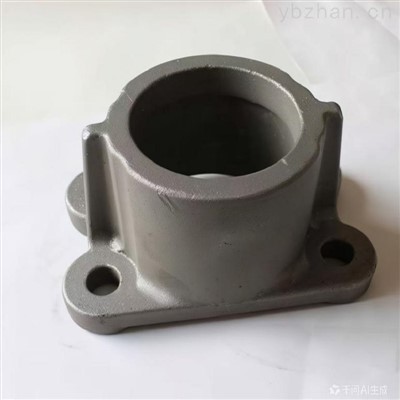
Choosing the right pipe fittings for a steam system is a complex process that requires careful consideration of various factors. By understanding the specific requirements of your steam system, selecting the appropriate material, pressure and temperature ratings, fitting type, end connection, and ensuring compatibility with other components, you can make an informed decision that will ensure the efficiency, safety, and longevity of your steam system.
Fan Impeller If you’re still unsure about which pipe fittings are right for your steam system, don’t hesitate to reach out to our team of experts. We have years of experience in supplying high-quality pipe fittings for steam systems and can provide you with personalized advice and solutions based on your specific needs. Contact us today to start a discussion about your project and explore how our pipe fittings can meet your requirements.
References
- ASME B31.1 Power Piping Code
- ASTM Standards for Pipe and Pipe Fittings
- API (American Petroleum Institute) Standards
Shandong Shunye Stainless Steel Co., Ltd.
Address: Shandong Province, Binzhou City, Wudi County, Liubao Town, Zhangdong Road, Duliucun Village
E-mail: sales@wdshunye.com
WebSite: https://www.shunyecasting.com/
