What is the noise level of an industrial door geared motor?
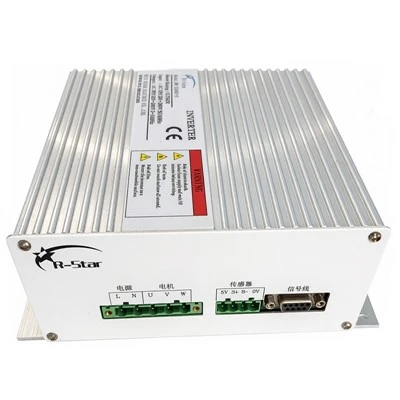
As a supplier of industrial door geared motors, I’ve been asked about the noise level of these motors countless times. It’s a crucial factor, especially in industrial settings where noise can impact worker comfort, compliance with environmental regulations, and overall operational efficiency. In this blog, I’ll delve into the noise levels of industrial door geared motors, what affects them, and why it matters. Industrial Door Geared Motor
Understanding Noise Levels in Industrial Door Geared Motors
Noise in industrial door geared motors is typically measured in decibels (dB). A decibel is a unit used to measure the intensity of a sound. The ambient noise in a quiet office environment is around 40 – 50 dB, while a normal conversation is about 60 dB. In industrial settings, the noise can be significantly higher.
Industrial door geared motors usually operate within the range of 60 – 80 dB. However, this can vary widely depending on several factors. Motors with lower noise levels are generally more desirable, as they can create a more comfortable working environment and reduce the risk of noise – related health issues for workers.
Factors Affecting the Noise Level of Industrial Door Geared Motors
1. Motor Design and Build Quality
The design of the motor plays a significant role in determining its noise level. High – quality motors are often engineered with precision to minimize vibrations and noise. For example, motors with well – balanced rotors and high – grade bearings tend to produce less noise. A poorly designed motor may have unevenly distributed mass, which can lead to excessive vibrations and, consequently, higher noise levels.
The materials used in the construction of the motor also matter. Motors made from high – quality materials can dampen vibrations more effectively. For instance, motors with a cast – iron housing are generally quieter than those with a thin – walled steel housing, as cast – iron has better vibration – absorbing properties.
2. Gearbox Design
The gearbox is a major source of noise in a geared motor. The type of gears used, their quality, and the gear ratio all affect the noise level. Helical gears, for example, are known to be quieter than spur gears. Helical gears have a gradual engagement, which reduces the impact and noise generated during operation.
The quality of the gear manufacturing process is also crucial. Gears with precise tooth profiles and smooth surfaces will mesh more smoothly, resulting in less noise. Additionally, proper lubrication of the gearbox is essential. Insufficient or degraded lubricant can cause increased friction between the gears, leading to higher noise levels.
3. Load and Speed
The load on the motor and its operating speed can significantly impact the noise level. When a motor is operating under a heavy load, it may produce more noise as it has to work harder. Similarly, higher operating speeds can also increase the noise level. Design engineers must carefully select a motor with an appropriate power rating and speed to match the specific application requirements of the industrial door.
4. Installation and Mounting
Improper installation and mounting of the industrial door geared motor can lead to increased noise. If the motor is not securely mounted, it can vibrate excessively, resulting in a louder noise. The alignment of the motor and the industrial door mechanism is also critical. Misaligned motors can cause additional stress on the gears and other components, leading to increased noise and potential damage.
Why Noise Level Matters in Industrial Door Geared Motors
1. Worker Health and Safety
Exposure to high levels of noise in the workplace can have serious health consequences for workers. Prolonged exposure to noise above 85 dB can cause hearing loss, tinnitus (ringing in the ears), and other stress – related health issues. By choosing a low – noise industrial door geared motor, companies can create a safer and more comfortable working environment for their employees.
2. Regulatory Compliance
Many countries and regions have regulations in place regarding noise levels in industrial settings. Companies are required to ensure that their equipment, including industrial door geared motors, complies with these limits. Using a motor with a high noise level can result in fines and legal issues for the company.
3. Operational Efficiency
Excessive noise can be a sign of problems within the motor or the industrial door system. A noisy motor may indicate issues such as worn – out gears, misalignment, or improper lubrication. By monitoring the noise level of the motor, maintenance personnel can detect potential problems early and take corrective action, thus reducing downtime and maintenance costs.
How We Ensure Low – Noise Levels in Our Industrial Door Geared Motors
As a supplier of industrial door geared motors, we take several steps to ensure that our products have low noise levels.
1. Advanced Design and Engineering
Our R & D team uses the latest design software and engineering techniques to optimize the motor and gearbox design. We focus on reducing vibrations and ensuring smooth operation. For example, we use computer – aided design (CAD) to model the motor components and simulate their performance, allowing us to make adjustments before production.
2. High – Quality Materials
We source the highest – quality materials for our motors and gearboxes. Our motors feature cast – iron housings for better vibration dampening, and we use high – grade bearings and gears. The gears are precision – machined to ensure smooth meshing and low noise levels.
3. Rigorous Testing
Each motor undergoes rigorous testing before leaving our factory. We measure the noise level in a controlled environment to ensure that it meets our strict quality standards. If a motor fails to meet the noise requirements, it is re – evaluated and adjusted until it meets the specifications.
Conclusion
The noise level of an industrial door geared motor is an important consideration for any company in an industrial setting. Understanding the factors that affect the noise level and the reasons why it matters can help companies make informed decisions when choosing a motor.
As a trusted supplier of industrial door geared motors, we are committed to providing high – quality, low – noise motors that meet the diverse needs of our customers. Our products are designed to enhance worker safety, ensure regulatory compliance, and improve operational efficiency.
If you are in the market for an industrial door geared motor and are concerned about noise levels, we encourage you to reach out to us for a consultation. Our team of experts can help you select the right motor for your specific application and answer any questions you may have. Contact us today to start the dialogue and explore how our products can meet your requirements.
References
Stretch Wrapper Control System Antoni, J. (2007). The spectral kurtosis: application to the vibratory surveillance and diagnostics of rotating machines. Mechanical Systems and Signal Processing.
Bently, D. E. (2012). Fundamentals of Rotating Machinery Diagnostics. Elsevier.
Ewins, D. J. (2005). Modal Testing: Theory, Practice and Application. John Wiley & Sons.
Wuxi Rstar Electric Co., Ltd.
With abundant experience, we are one of the most professional industrial door geared motor manufacturers and suppliers in China. Welcome to wholesale bulk customized industrial door geared motor at competitive price from our factory. If you have any enquiry about quotation, please feel free to email us.
Address: 9th Floor, Building 9, Shengfeng Lianzhi Valley, No.67 Zhujiang Road, Xinwu District, Wuxi City
E-mail: rstarbz@163.com
WebSite: https://www.rstar-wx.com/
