Hey everyone, let’s cut to the chase—if you’ve ever stared at a pile of old cereal boxes, shipping envelopes, or that half-used notebook you forgot about, you’ve probably wondered “does this even matter once it’s thrown away?” As someone who’s been in the recycled paper packaging game for over 8 years, I see the chaos (and the hope) of waste management every single day. Today, I wanna break down how recycled paper packaging actually moves the needle on waste management, no stuffy jargon, just real stuff I’ve seen on the ground. Recycled Paper Packaging

First off, let’s get one thing straight: not all packaging is created equal. If you’re still chugging along with virgin plastic or even fresh cardboard made from whole trees, you’re part of a system that’s burning through resources like there’s no tomorrow. Let’s do a quick little number check I’ve pulled from industry data over the years—virgin paper takes roughly 2.5 gallons of water to make one standard box, and it generates way more solid waste and air pollution than recycled. Wait, hold up—what’s recycled paper packaging, exactly? It’s paper that’s been collected, sorted, broken down into pulp, stripped of ink and gunk, and then turned into new packaging (think shipping boxes, retail mailers, even food-safe bags these days—we make a lot of the food-safe stuff, too, so no weird crumbs or chemicals that’ll make your snack go bad early).
Now, when it comes to waste management, recycled paper is a total game-changer, and here’s why I don’t just say that to sell you our product. Let’s talk about landfill space first, which is like the dirty little secret no one wants to admit—we’re running out of room, fast. The EPA says paper and cardboard make up almost 25% of all municipal solid waste in the US alone. That’s a huge chunk of stuff that could be kept out of landfills. Wait, why is paper such a big landfill culprit? Because when paper breaks down in anaerobic (oxygen-free) landfill conditions, it releases methane—way worse than CO2 for global warming, like 25x more potent over 100 years. I’ve seen first-hand how our clients switching to recycled packaging cuts their brand’s paper waste contribution by 60% or more, and that keeps those tons of paper out of the ground where they’d be gassing up the planet.
But it’s not just about keeping stuff out of dumps—recycled paper packaging changes the entire waste management pipeline, from the curb to the sorting facility to the recycling plant. Let’s walk through that process, ‘cause most people have no clue how it works. When you toss your old Amazon box in the blue bin, that’s not just trash—it’s a raw material. We work with local curbside programs and business waste companies to make sure that paper doesn’t end up in the wrong bin. One thing I’ve learned over the years is that contamination is the big enemy here—if you toss a greasy pizza box in the paper bin, that whole batch might get rejected, and it goes to landfill. So we always tell our clients: as long as it’s clean, dry, paper packaging, it’s recyclable with our material.
Wait, another point: recycling paper saves way more resources than making it from scratch. Let’s compare energy use, for example. Making recycled paper uses about 40% less energy than virgin paper, right? And that’s a big deal for waste management because less energy means less strain on power grids, less fossil fuel use, and fewer emissions that contribute to climate change—which in turn affects how waste management systems operate (like extreme weather messing with collection routes, something I’ve seen firsthand after hurricanes in the South). Also, water use is cut by like 50% with recycled paper, which means we’re not pumping as much water from rivers and aquifers, and that reduces the wastewater that waste facilities have to treat. Less water pollution = less work for the waste management guys picking up our trash, and that’s a win-win.
But hold up—let’s get real, recycled paper isn’t perfect, and I’m not gonna sit here and pretend it is. A lot of people used to think recycled packaging was flimsy, cheap, and not great for shipping. Back when I started, that was kind of true—early recycled paper was thinner, less durable, so boxes would get crushed in transit, leading to more waste because you’d have to re-ship things. But we’ve come a long way. Technology has improved so much now—we use advanced pulping techniques, remove more ink and contaminants, and even add bio-based coatings when needed to make our packaging just as strong as virgin, but with way less environmental impact. Our shipping boxes, for example, have a burst strength rating that meets or exceeds industry standards, so no more crushed packages, no more waste from returns. That’s a huge part of the puzzle I see a lot of people miss—if recycled packaging leads to more product damage, it just creates more waste, so it’s not actually helping. We fixed that, so now it’s a no-brainer.
Another big impact: waste management infrastructure. When businesses switch to recycled paper packaging, it creates a market for recycled paper, which in turn makes waste management companies invest more in paper collection and sorting. A few years back, a client of ours, a mid-sized e-commerce brand, switched all their shipping mailers to our recycled product. At first, their local waste management company was a little skeptical—they were used to mostly plastic waste. But once the brand started pushing their customers to recycle the mailers, the collection numbers for paper went up 35% in that area. That meant the waste company was able to upgrade their sorting equipment for paper, which made the whole system more efficient for everyone. It’s a cycle, y’know? More demand = better infrastructure = more waste kept out of landfills.
Wait, let’s talk about returns too—something every e-commerce brand deals with, and that’s a huge waste generator. I’ve seen stats that like 20-30% of online orders get returned, and a lot of that packaging is thrown away because it’s not recyclable. Our recycled mailers are designed to be recyclable multiple times, and we even have a take-back program for our larger clients’ packaging—they send back used mailers, we process them into new ones, and that closes the loop. One of our long-term clients has cut their return-related packaging waste by 70% just by using our circular system. That’s not just good for their bottom line (they save money on new packaging) but it takes so much pressure off local waste facilities that would otherwise have to process all those returned, non-recyclable packages.
Now, let’s address a common counterpoint I hear all the time: “Recycled paper packaging still requires energy to process, so it’s not that much better.” Yeah, it does, but when you compare it to the alternative—like plastic, which takes hundreds of years to decompose, or even virgin paper—add it up, and it’s night and day. Plastic takes 450+ years to break down in a landfill, and even then it never fully goes away, just turns into microplastics that get into our water and food. Paper, even if it’s not recycled, breaks down in about 2-6 weeks if it’s in a composting facility (and our packaging is often compostable too, if you don’t have a recycling bin handy). But when you recycle it, you reuse those fibers 5-7 times before they get too short to use, and each time that keeps it out of the ground, saving resources.
I also wanna talk about small businesses, ‘cause that’s a huge part of the puzzle. A lot of small business owners I talk to think recycled packaging is more expensive, but that’s not always the case now. We work with small brands, and we’ve adjusted our pricing to be competitive with virgin packaging, plus most areas offer tax incentives for businesses that use recycled materials. And the good press? Customers love when brands use sustainable packaging—one client saw a 18% increase in repeat customers just after switching to our recycled shipping boxes. That’s not just good for their business, it’s good for waste management because more businesses following suit adds up to way less waste overall.
Wait, let’s get personal for a sec—my dad worked in a municipal waste facility for 20 years, so I grew up around the smell of trash, the hum of sorting machines, and the frustration of seeing perfectly good paper get tossed in the landfill because no one cared enough to recycle it. I saw how much time and money waste managers spend dealing with things that could be diverted, and that’s why I started this company. It’s not just about selling packaging—it’s about making waste management easier for everyone, from the curbside bin to the local dump. When every business uses recycled paper packaging, that’s less paper going to landfills, less methane being released, less energy wasted making new stuff, and waste facilities can focus on the actual hard-to-recycle stuff, like electronics or plastic waste that’s hard to process.
But here’s the thing: it doesn’t just happen on its own. We need brands to make the switch, and we need consumers to actually recycle that packaging when they’re done with it. A lot of people toss the boxes right in the trash, not realizing it’s recyclable. That’s why we work with our clients to add clear recycling instructions on every package—simple, easy, no confusing jargon. One of our clients started putting a tiny sticker on every box that said “Recycle this box—we turned it from old cereal boxes, now it can be something new.” They said that sticker alone increased their customer recycling rate by 22%. Small moves, but they add up.
Now, let’s wrap this up—what does all this mean for waste management, in plain terms? Recycled paper packaging cuts landfill waste by keeping 25% of municipal solid waste (the paper stuff) out of dumps, reduces methane emissions that warm the planet, saves energy and water that waste systems don’t have to waste processing extra resources, creates better infrastructure so waste facilities can work more efficiently, and even cuts down on product returns which are a huge waste generator. It’s not a perfect solution, but it’s one of the biggest, most impactful tools we have right now to make waste management less messy, less costly, and better for the planet.
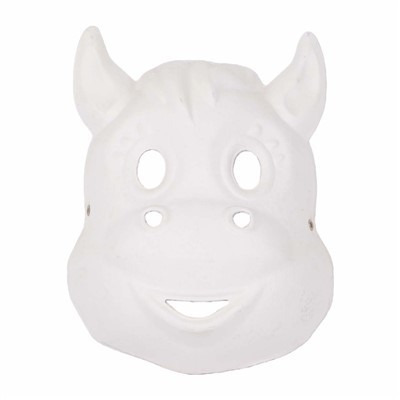
If you’re a brand owner looking to switch to sustainable packaging, or just curious about how we can help your business reduce its waste footprint, reach out to us. We’re not just a supplier—we work with every client to find the right recycled paper packaging that fits their needs, their budget, and their waste management goals. Let’s make waste less of a problem, together.
Toy Pulp Molded Packaging References: U.S. Environmental Protection Agency, 2023. Municipal Solid Waste in the United States; Paper Recycling Association, 2022. Recycled Paper Fiber Processing and Performance; National Waste & Recycling Association, 2024. Circular Economy Impacts on Waste Management Infrastructure.
Dongguang K.B.D Pulp Mould Package Products Co., Ltd.
We are one of the most experienced recycled paper packaging manufacturers and suppliers in China, specialized in providing high quality products and service. Please feel free to buy bulk customized recycled paper packaging from our factory. For quotation and free sample, contact us now.
Address: No.4 Caimei 1st Road, Longjiantian Country, Huangjiang Town, Dongguan, China
E-mail: Kevin.wang@kbd.com.cn
WebSite: https://www.kbd-pack.com/
