As a seasoned supplier of mechanical parts, I’ve witnessed firsthand the critical role that surface treatments play in enhancing the performance, durability, and aesthetics of these components. In this blog, I’ll delve into the common surface treatments for mechanical parts, exploring their benefits, applications, and the factors to consider when choosing the right treatment for your specific needs. Mechanical Parts

1. Electroplating
Electroplating is a widely used surface treatment method that involves depositing a thin layer of metal onto the surface of a mechanical part through an electrochemical process. This process not only enhances the appearance of the part but also provides several functional benefits.
Types of Electroplating
- Chrome Plating: Chrome plating is known for its excellent corrosion resistance, hardness, and shiny appearance. It is commonly used in automotive parts, such as bumpers and trim, as well as in decorative applications.
- Nickel Plating: Nickel plating offers good corrosion resistance and wear resistance. It is often used in electrical components, plumbing fixtures, and machinery parts.
- Zinc Plating: Zinc plating is a cost – effective way to protect mechanical parts from corrosion. It is commonly used in fasteners, such as screws and bolts.
Benefits of Electroplating
- Corrosion Resistance: The metal layer deposited during electroplating acts as a barrier, preventing the underlying metal from coming into contact with corrosive substances.
- Improved Wear Resistance: The hard metal coating can reduce friction and wear, extending the lifespan of the mechanical part.
- Enhanced Aesthetics: Electroplating can give mechanical parts a smooth, shiny finish, improving their visual appeal.
2. Anodizing
Anodizing is an electrochemical process that forms a protective oxide layer on the surface of aluminum and other non – ferrous metals. This oxide layer is hard, corrosion – resistant, and can be dyed to achieve different colors.
Process and Types
- Sulfuric Acid Anodizing: This is the most common type of anodizing. It produces a relatively thick and porous oxide layer that can be easily dyed. Sulfuric acid anodizing is widely used in architectural applications, such as window frames and curtain walls.
- Hard Anodizing: Hard anodizing creates a thicker and harder oxide layer than sulfuric acid anodizing. It offers excellent wear resistance and is commonly used in aerospace and automotive parts.
Benefits of Anodizing
- Corrosion Resistance: The oxide layer provides a high level of protection against corrosion, especially in harsh environments.
- Wear Resistance: The hard oxide layer can withstand abrasion and wear, making it suitable for parts that are subject to friction.
- Aesthetic Appeal: Anodizing can be used to achieve a variety of colors, allowing for customization of the part’s appearance.
3. Powder Coating
Powder coating is a dry finishing process in which a fine powder is electrostatically applied to the surface of a mechanical part and then cured under heat. The powder particles melt and flow together to form a smooth, durable coating.
Advantages of Powder Coating
- Durability: Powder coatings are highly resistant to chipping, scratching, and fading. They can withstand harsh environmental conditions, making them suitable for outdoor applications.
- Environmental Friendliness: Powder coating does not contain solvents, which reduces the emission of volatile organic compounds (VOCs). This makes it a more environmentally friendly option compared to traditional liquid coatings.
- Aesthetic Variety: Powder coatings are available in a wide range of colors and finishes, including matte, gloss, and textured. This allows for greater design flexibility.
4. Heat Treatment
Heat treatment is a process that involves heating and cooling a mechanical part to alter its physical and mechanical properties. There are several types of heat treatment, each with its own specific purpose.
Types of Heat Treatment
- Annealing: Annealing is a process of heating a metal to a specific temperature and then slowly cooling it. This process reduces internal stresses, improves ductility, and makes the metal easier to machine.
- Quenching and Tempering: Quenching involves rapidly cooling a heated metal in a liquid medium, such as water or oil. This hardens the metal. Tempering is then performed to reduce the brittleness caused by quenching and improve the toughness of the metal.
- Case Hardening: Case hardening is a process that hardens the surface of a metal while leaving the core relatively soft. This is achieved by introducing carbon or nitrogen into the surface layer of the metal through processes such as carburizing or nitriding.
Benefits of Heat Treatment
- Improved Mechanical Properties: Heat treatment can enhance the hardness, strength, and toughness of mechanical parts, making them more suitable for high – stress applications.
- Wear Resistance: Hardened surfaces are more resistant to wear, which can extend the lifespan of the part.
- Dimensional Stability: Heat treatment can reduce internal stresses, improving the dimensional stability of the part.
5. Shot Peening
Shot peening is a process in which small spherical particles, called shot, are propelled at high speed onto the surface of a mechanical part. This creates a compressive stress layer on the surface, which improves the part’s fatigue resistance.
How Shot Peening Works
The impact of the shot on the surface of the part causes plastic deformation, which results in the formation of a compressive stress layer. This compressive stress counteracts the tensile stresses that are generated during normal operation, reducing the likelihood of fatigue cracking.
Benefits of Shot Peening
- Improved Fatigue Life: Shot peening can significantly increase the fatigue life of mechanical parts, especially those that are subject to cyclic loading, such as gears and springs.
- Stress Relief: The compressive stress layer can help to relieve internal stresses in the part, improving its overall performance and reliability.
Factors to Consider When Choosing a Surface Treatment
- Functionality Requirements: Consider the specific requirements of the mechanical part, such as corrosion resistance, wear resistance, and fatigue resistance. Choose a surface treatment that can meet these requirements.
- Material Compatibility: Different surface treatments are suitable for different materials. Make sure the treatment you choose is compatible with the material of the mechanical part.
- Cost: The cost of surface treatment can vary depending on the type of treatment, the size of the part, and the complexity of the process. Consider your budget when choosing a surface treatment.
- Aesthetic Requirements: If the appearance of the mechanical part is important, choose a surface treatment that can provide the desired aesthetic effect.
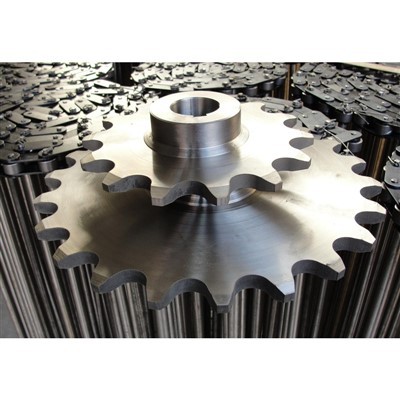
As a supplier of mechanical parts, we have extensive experience in applying these surface treatments to ensure that our products meet the highest quality standards. Whether you need corrosion – resistant parts for a marine environment or wear – resistant parts for a high – performance machine, we can provide the right surface treatment solution for your needs.
Forged Chain If you are in the market for high – quality mechanical parts with the appropriate surface treatments, we invite you to reach out to us for a procurement discussion. We are committed to providing you with the best products and services to meet your specific requirements.
References
- ASM Handbook, Volume 5: Surface Engineering. ASM International.
- Surface Finishing for Metals: Processes and Practices. CRC Press.
- Fundamentals of Heat Treatment of Steels. ASM International.
Zhejiang Hangte Chain Transmission Co., Ltd.
We are one of the most experienced mechanical parts manufacturers and suppliers in China since 1999. Please rest assured to buy high quality mechanical parts made in China here from our factory. If you have any enquiry about cooperation, please feel free to email us.
Address: No. 195 Qinglin East Street, Qingshan Lake Subdistrict, Lin’an District, Hangzhou City, Zhejiang Province
E-mail: hangtechain@gmail.com
WebSite: https://www.chinahtchain.com/
